
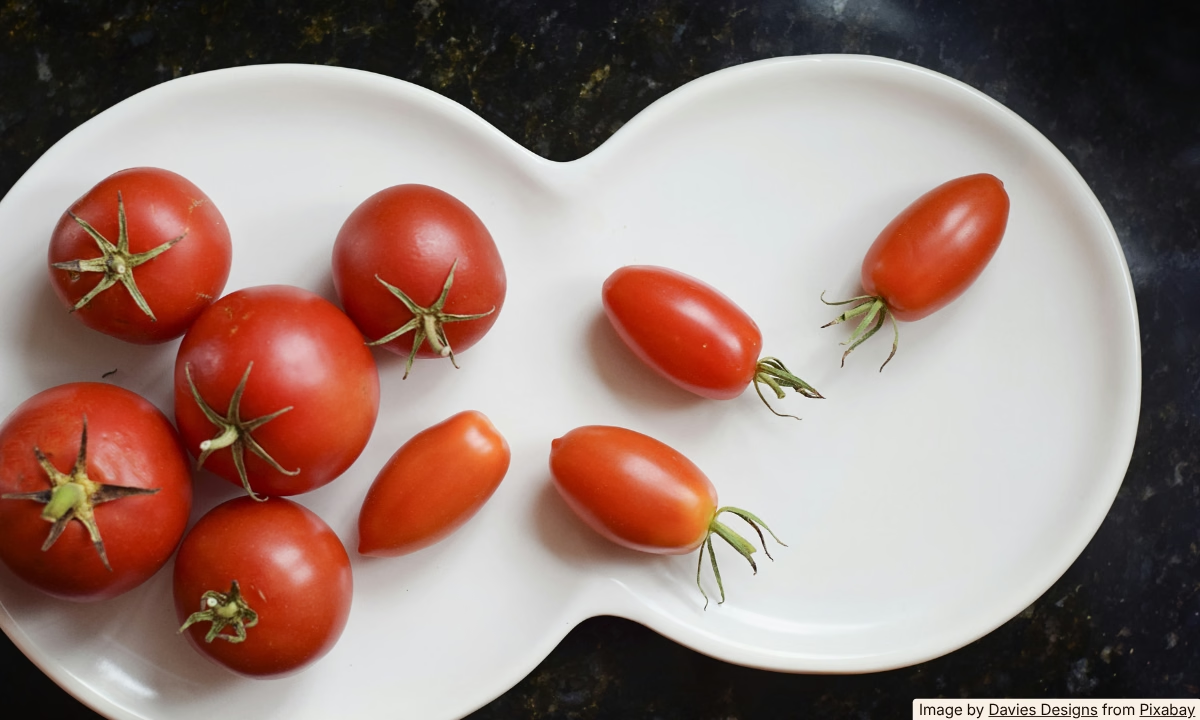
Whole ripe tomatoes go on the counter. That’s the answer. Cold temperatures below 50°F physically damage tomato cell membranes and destroy the aromatic compounds responsible for that actual tomato flavor, per Simply Recipes. The tomato looks fine. It tastes like a wet sponge. Texas A&M AgriLife extension expert Masabni puts it plainly: “Do not refrigerate ripe tomatoes unless you just can’t eat them” (Texas A&M AgriLife).
But there are real exceptions. Here’s when the rules flip.
Key Takeaways:
- Refrigerating whole tomatoes below 50°F damages cell membranes and kills flavor-producing aromatic compounds, per Simply Recipes.
- Cut or sliced tomatoes must be refrigerated for food safety to prevent bacterial growth.
- Ripe tomatoes stored in the fridge typically keep 2-3 days before quality declines significantly.
- Texas A&M AgriLife expert Masabni advises: ‘Do not refrigerate ripe tomatoes unless you just can’t eat them.’
- If you have more ripe tomatoes than you can eat, the fridge beats watching them rot on the counter, just bring them back to room temp before serving.
The Counter Is the Default (Until It Isn’t)
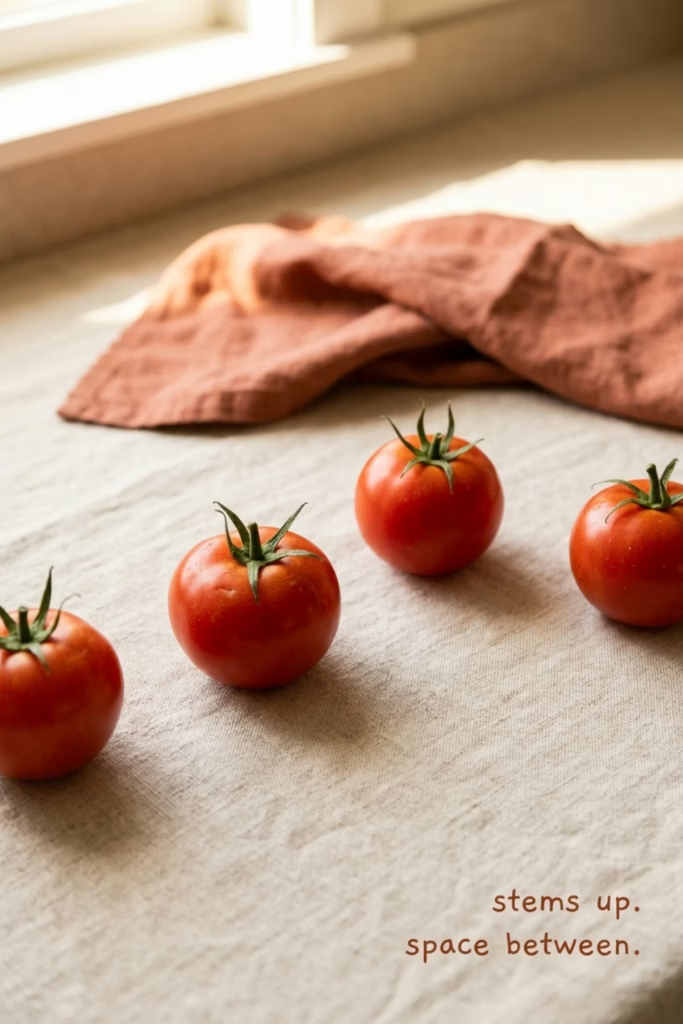
Unripe tomatoes ripen best at room temperature, around the mid-60s°F, per Texas A&M AgriLife. If you’re wondering about the best way to store tomatoes at home, this is it: stems up, counter, room temperature, a little space between them. Once ripe, they’re still better off on the counter than in a cold drawer, as long as you’re eating them within a few days.
One thing that speeds up ripening faster than you want: trapping tomatoes in a closed bag. Ethylene gas builds up and you go from “almost ready” to “why is this splitting” overnight. Give them space on the counter, stems up, with a little air between them.
The fridge becomes the right call in two situations:
- You have more ripe tomatoes than you can eat. Refrigeration extends their life to roughly 2-3 days before quality drops noticeably. That’s better than watching them collapse on the counter. Just bring them back to room temperature before you eat them raw, the cold suppresses flavor and a 20-minute rest on the counter recovers most of it.
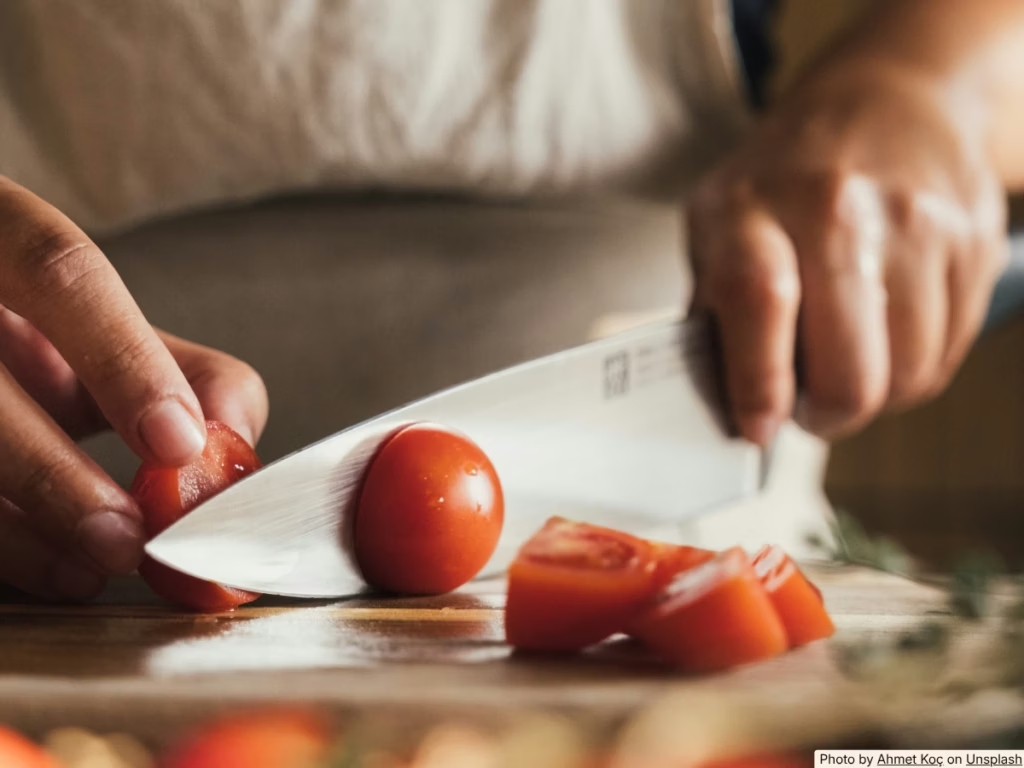
- The tomato is already cut. Sliced or cut tomatoes go in the fridge, full stop. That’s a food safety call, not a flavor preference, per Simply Recipes.
Cherry Tomatoes Are a Different Story
Large garden tomatoes suffer the most from cold storage. Cherry tomatoes are more forgiving.
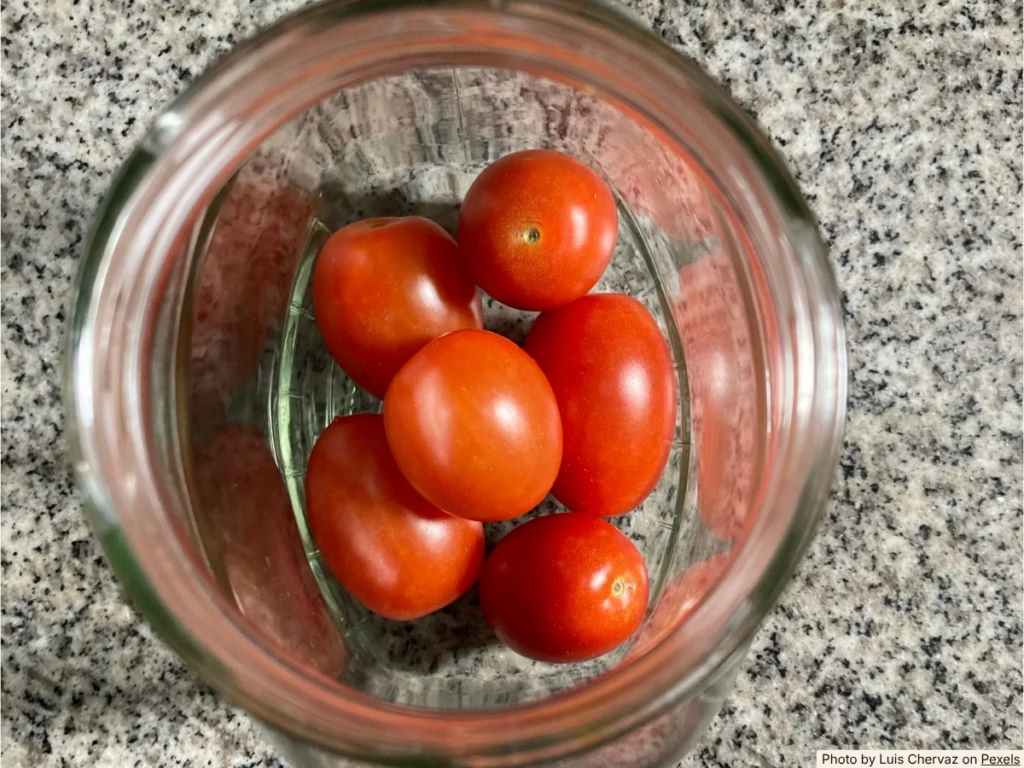
Cherry tomatoes tolerate fridge temperatures better than large garden tomatoes. If you’ve got a mixed haul from the farmers market, the cherries can go in the fridge; the big ones stay out.
This is the kind of detail that’s easy to forget when you’re unloading groceries at 7pm. Pantidy tracks what’s in your fridge and pantry with expiration dates on iOS and Android so you can see what needs to be used first before it quietly becomes a science experiment. Try it free for 14 days.
Enjoying this?
Eat more of what you buy.
One short email a week. Preservation tricks, ingredient deep-dives, and the small kitchen habits that can quietly save $700+ a year on food waste. Pinky promise: no spam.
Working through a full produce haul? The same principles apply to other tricky items. Avocados and fresh corn have their own cold-storage rules that aren’t obvious either.
Frequently Asked Questions
Should you store tomatoes in the fridge or on the counter?
On the counter, for whole tomatoes. Cold temperatures below 50°F damage tomato cell membranes and destroy the aromatic compounds that create flavor, per Simply Recipes. Think of it this way: the fridge is where tomato flavor goes to retire early.
How long do tomatoes last in the fridge?
Ripe tomatoes stored in the fridge typically keep for a couple of days before quality declines significantly. After that, texture and flavor both suffer. If you’re in that window, bring them to room temperature before eating raw.
Do cut tomatoes need to be refrigerated?
Yes. Once a tomato is sliced or cut, it needs to go in the fridge for food safety to prevent bacterial growth, per Simply Recipes. This is non-negotiable regardless of what you’re doing with flavor.
Why do tomatoes taste bad after being in the fridge?
Cold storage halts the ripening process and compromises the delicate aromatic compounds responsible for tomato flavor. per Simply Recipes. The tomato looks ripe but tastes flat and the texture turns mealy. Bringing refrigerated tomatoes back to room temperature before serving recovers some of the flavor.
Can you refrigerate overripe tomatoes?
Yes, and you should if you can’t eat them immediately. Refrigeration is a better outcome than letting them decay on the counter, despite the texture trade-off. Use them within 2-3 days, and lean toward cooking rather than eating raw, heat is more forgiving of cold-storage texture than a fresh salad is.
Today’s action: look at whatever tomatoes are on your counter right now. If any are already ripe and you won’t eat them in the next day or two, move them to the fridge. If any are cut, they should already be in there. That’s it. Two minutes. If you want Pantidy to flag the ones that are about to turn before you even open the drawer, the 14-day free trial is there.
Food Waste Calculator
How much food are you throwing away?
The average household wastes about 30% of the food they buy. See what that costs you.
You’re throwing away about
$0
per year in wasted food
Pantry + Recipes
From "What's in the Fridge?" to Dinner in Minutes
Pantidy is a smart pantry app on iOS and Android that tracks what you have, flags what's expiring, and matches your inventory to recipes you've already saved.
- See every recipe you can make right now
- Filter for recipes that use expiring items first
- Check ingredient match percentages at a glance
- Add missing items to your shopping list in one tap