
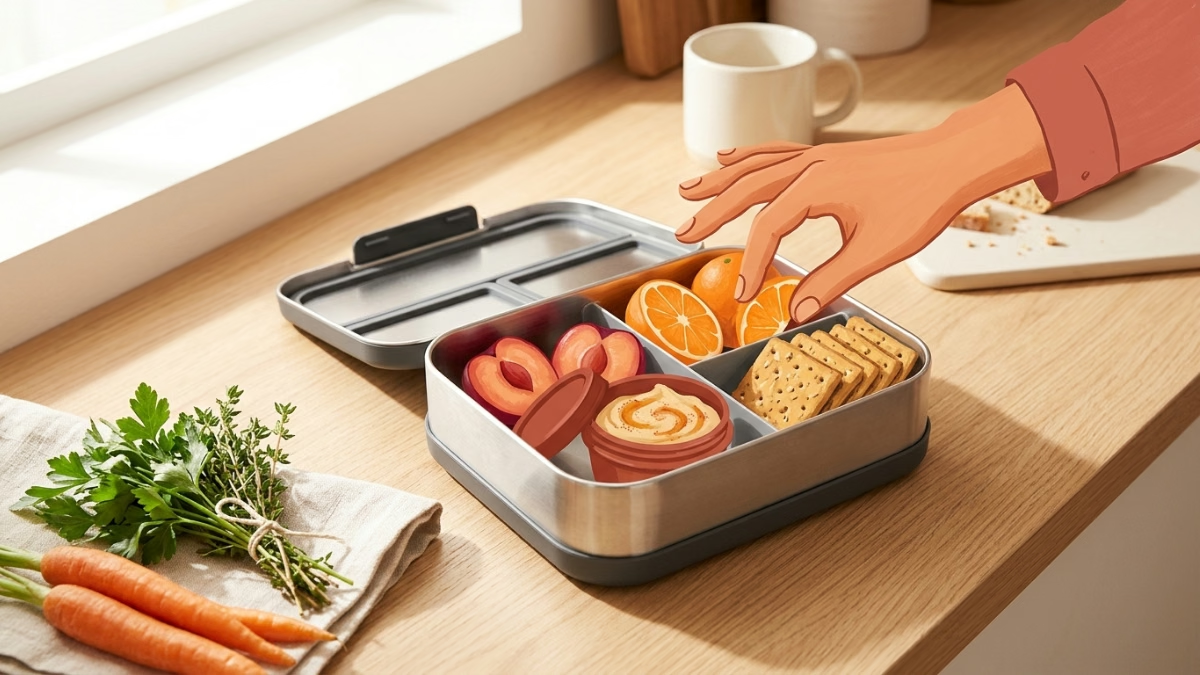
A pre-school pantry reset finds $50 or more in hidden lunch budget by auditing what you already own, eliminating the convenience-packaging premium, and building a ‘use first’ bin so nothing expires before it gets eaten. Most families recover the money in the first week without changing their menu.
There is $50 sitting in your kitchen right now. It’s not in a coupon book or a loyalty card (the birthday gift card is lost, so that doesn’t count). It’s in the yogurt that expires Thursday, the bread hiding behind the cereal, and the three bags of frozen peas you forgot you owned. A pantry reset for families takes one afternoon, no special equipment, and finds it before the school year swallows it whole.
Here’s the short version: most families lose their lunch budget not to expensive groceries but to a combination of convenience-packaging premiums, forgotten inventory, and a fridge that buries things before they get eaten. Fix those three things and the money comes back fast. The rest of this guide shows you exactly how.
Key Takeaways:
- Pre-cut and pre-packaged produce costs 50-100% more than whole items portioned at home, making convenience packaging the single biggest hidden leak in a lunch budget.
- Legumes, chickpeas, lentils, canned beans, are the most cost-effective protein source for feeding kids on a budget in 2026.
- Store-brand staples like flour, pasta, tinned tomatoes, and rice are typically identical in quality to branded versions; the price difference is marketing, not ingredients.
- Frozen vegetables are nutritionally equivalent to fresh, sometimes better, because they are frozen immediately after harvest, and they cost less while generating almost no waste.
- A ‘use first’ bin at eye level for items about to expire is the single highest-leverage physical change you can make to a family fridge or pantry.
Why “Buy Less, Spend Less” Doesn’t Actually Work
The instinct when school starts is to stock up. Buy the snack packs, the pre-cut fruit cups, the individually wrapped cheese sticks. It feels efficient. It is not.
Pre-cut, pre-washed, and pre-packaged fruit and vegetables can cost more than buying whole items and portioning them yourself. That’s paying double for someone else to do ten minutes of work.
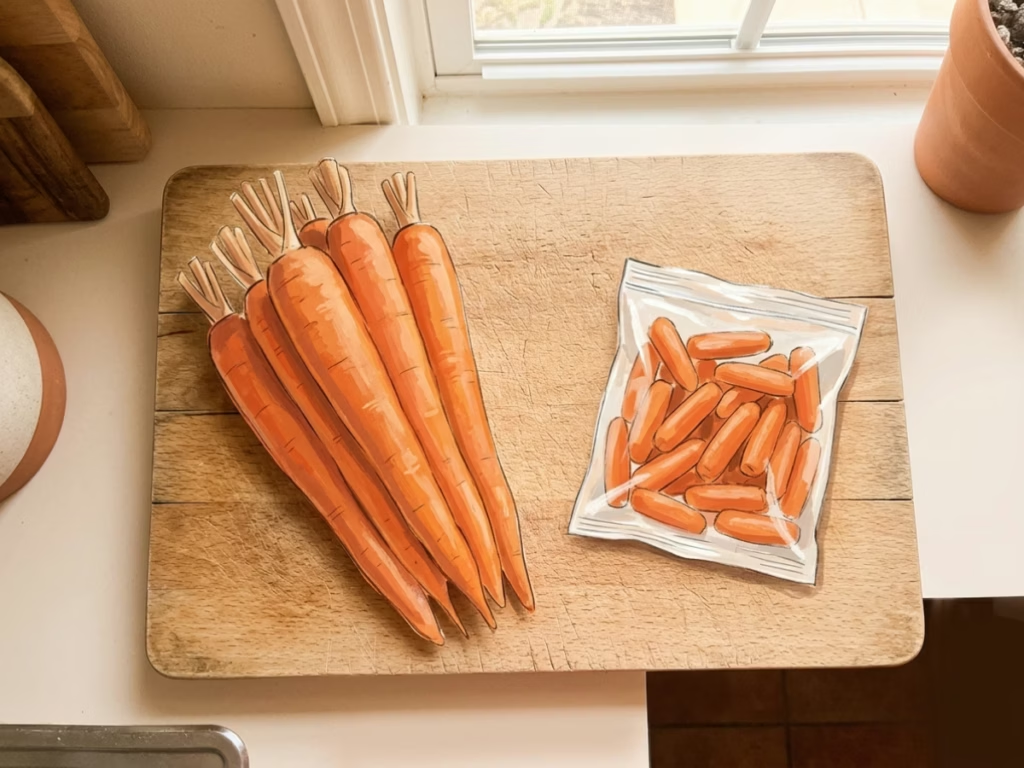
A bag of baby carrots costs roughly twice what a bag of whole carrots costs per serving. A tray of pre-sliced apple wedges in a sealed pouch is the same math.
Single-serve snack packs, the little bags of crackers, the individual sultana boxes, the four-pack of yogurt tubes, carry the same premium. You are paying for the packaging and the portioning, not the food. Splitting a large container of yogurt into reusable pouches or small containers takes about three minutes on a Sunday and can cut your snack spend by a third.
This is where most of the $50 hides. Not in the big weekly shop. In the quiet 50% surcharge on convenience that compounds across every single lunch.
Step One: The Audit (It Takes 20 Minutes, Not a Weekend)
Before you buy anything for the school year, pull everything out of your pantry and fridge and put it on the counter. Not to reorganize it. Just to see it.
You are looking for three things:
What’s expiring in the next week. These items need a plan today, not a shelf. Bread that’s two days from stale goes into the freezer now. Yogurt on its last day becomes a smoothie or a dip. Eggs that are getting close go into a frittata that becomes three lunches. This step alone typically recovers $10 to $20 of food value that was quietly headed for the bin.
What you have duplicates of. If you find two jars of peanut butter, three bags of pasta, or, and this is a safe space, four different types of cheese, you have overstocked. That capital is sitting on a shelf instead of working for you. The goal from here is to cook down the duplicates before buying more.
What you thought you were out of. This is the one that stings. The can of chickpeas you bought last week because you were “definitely out” of chickpeas, sitting right next to the two cans of chickpeas you already had.
A sensible buffer for shelf-stable basics is one to two weeks of supply, not a month, per NestPaths. Overstocking feels like saving money. It mostly creates clutter that leads to confusion, feeling overwhelmed, and then waste.
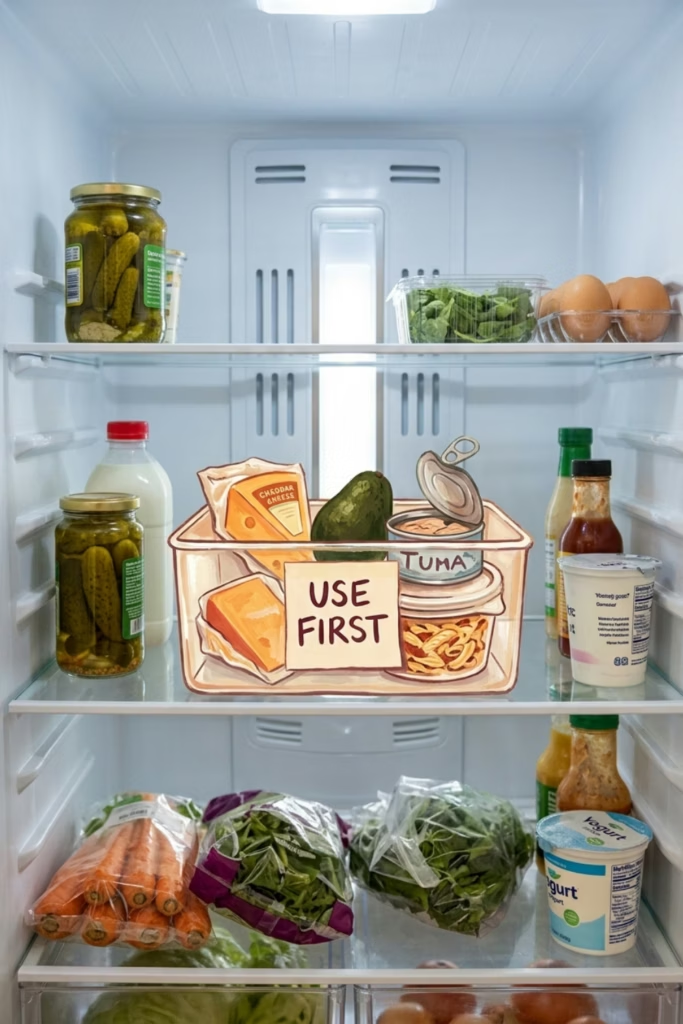
Step Two: Build a “Use First” Bin
This is the single highest-leverage physical change you can make to a family fridge, and it costs nothing.
Pick one shelf or one clear bin, eye level in the fridge, front-and-center in the pantry. Everything that needs to be eaten in the next three days goes there. The aging block of cheddar. The half-used tin of tuna. The bread that’s one day from becoming a science project. The avocado that finally hit peak ripeness at 11pm on a Tuesday.
When you open the fridge at 7am in full school-morning chaos, your eye goes to that bin first. You don’t have to remember what’s expiring. The fridge is telling you. Lunch gets built around what’s actually there instead of whatever’s easiest to grab from the front.
This system works because it removes the memory requirement. It’s the same first-in-first-out pantry system that commercial kitchens use, and it works just as well in a family fridge. You are not relying on a mental inventory of seventeen items and their respective expiration dates. The bin does the thinking. You do the packing.
Step Three: The Protein Swap That Saves 30% Without Changing the Menu
Here is the part most budget guides skip: you do not need to change what your kids eat. You need to change where the protein comes from.
Chicken thighs are cheaper and more flavorful than chicken breasts. If your kids eat chicken in their lunchbox, in a wrap, on a skewer, chopped into a pasta salad, swap breasts for thighs. The texture is better for packed lunches anyway because thighs don’t dry out the way breasts do when they’re cold.
The bigger move is legumes. Chickpeas, lentils, and canned beans are the most cost-effective protein source available for feeding families on a budget in 2026. A can of chickpeas costs a fraction of the equivalent protein in deli meat. Roasted chickpeas hold up in a lunchbox. Hummus made from a can of chickpeas costs about a quarter of the tub from the refrigerated aisle. Lentil patties are a thing preschoolers will actually eat, especially if you don’t call them lentil patties.
You are not asking a four-year-old to eat a lentil salad. You are quietly replacing half the deli meat in a wrap with something cheaper, higher in fiber, and better for their afternoon energy levels. Nobody notices except the grocery receipt.
Enjoying this?
Eat more of what you buy.
One short email a week. Preservation tricks, ingredient deep-dives, and the small kitchen habits that can quietly save $700+ a year on food waste. Pinky promise: no spam.
Step Four: Frozen Vegetables Are Not a Compromise
Let’s retire the idea that frozen vegetables are the sad backup option when you’ve run out of fresh. Frozen vegetables are nutritionally equivalent to fresh, and sometimes better, because they are frozen immediately after harvest, before nutrient degradation begins. The fresh broccoli that’s been sitting in your produce drawer since Wednesday has had days to lose nutrients in transit and storage. The frozen broccoli was locked in at peak.
They are also cheaper. And they generate almost zero waste because you use exactly what you need and the rest stays frozen.
For school lunches specifically, frozen corn, frozen peas, frozen edamame, and frozen mixed vegetables are workhorses. They go into pasta salads, grain bowls, fried rice, and quesadillas. They require no washing, no chopping, and no race against the clock before they turn. BOOM. Zero waste, lower cost, same nutrition.
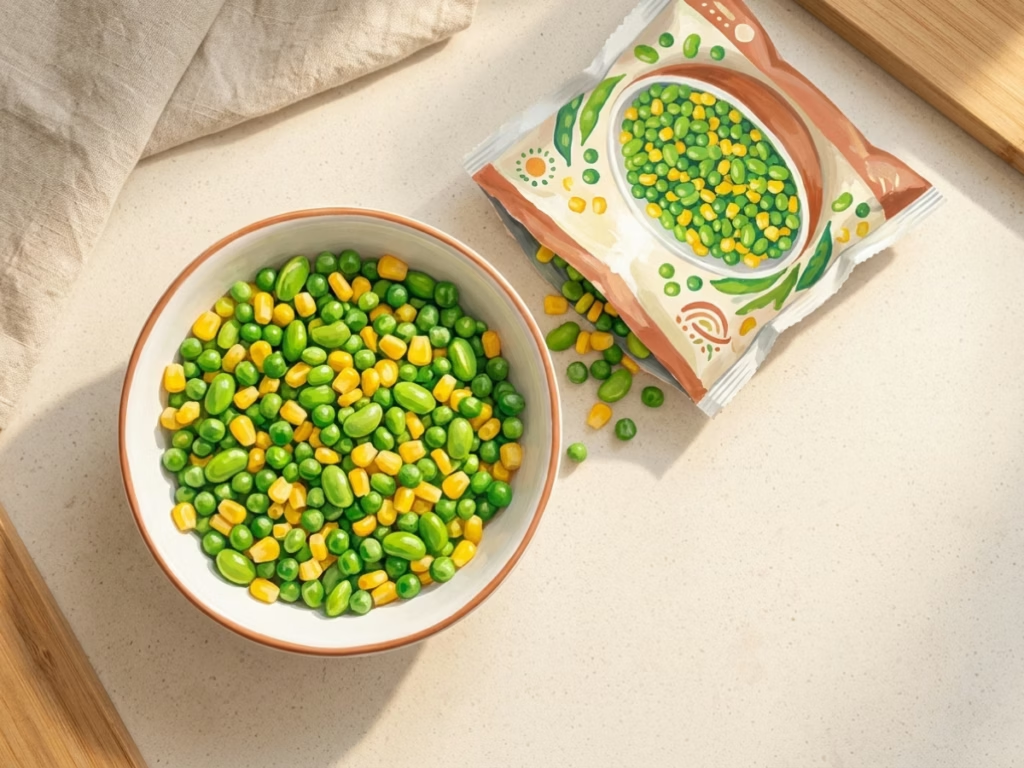
If your lunch routine currently relies on fresh vegetables that frequently die in the produce drawer before making it into a lunchbox, switching half of them to frozen is a direct recovery of that waste.
Step Five: Read the Unit Price, Not the Shelf Price
This one takes thirty seconds and changes every grocery shop you ever do again.
The shelf price tells you what you pay. The unit price, per kilogram, per litre, per 100g, tells you what you’re actually getting for that money. Larger packages and “value” brands are not always cheaper per unit. Sometimes the mid-size pack is the best value. Sometimes the “family size” bag is just a bigger bag at a higher per-unit cost with a different font on the label.
For lunchbox staples, crackers, dried fruit, nuts, rice cakes, check the unit price before assuming the bigger one wins. It usually does. But not always. And the times it doesn’t are where the quiet overcharging lives.
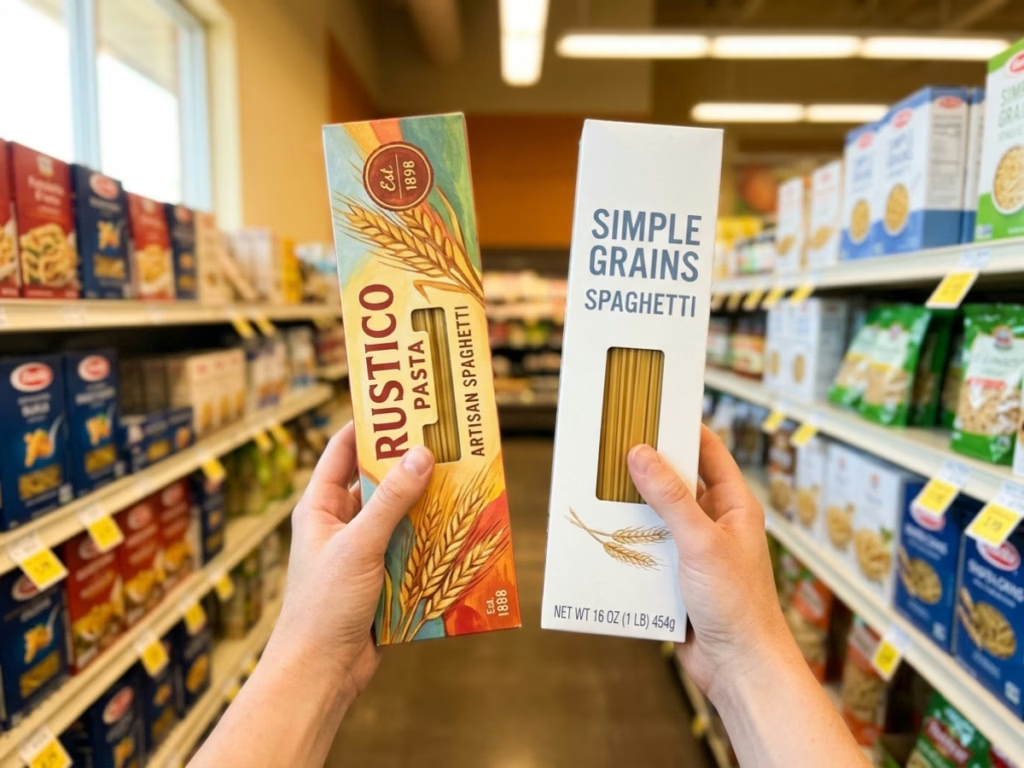
While you’re doing this: store-brand staples like flour, pasta, tinned tomatoes, butter, and rice are typically identical or near-identical in quality to branded versions. The difference between the branded pasta and the store-brand pasta is the packaging design and about forty cents. Your kid’s lunchbox pasta salad will not notice.
The Pantry Reset for Families: Build Your Par List
Once you’ve done the audit and built the “use first” bin, the final step is a par list. This is just a note, on your phone, on the fridge, wherever, that lists the items you want to keep stocked and the quantity that counts as “enough.”
Pasta: two boxes. Canned chickpeas: three cans. Peanut butter: one jar plus one backup. Frozen peas: one bag.
When something drops below its par, it goes on the shopping list. When it’s above par, it does not. This is the system that prevents the three-bags-of-rice situation. It also prevents the “I definitely need to buy more of this” feeling that leads to overstocking, which leads to waste, which erases the savings.
Pantidy tracks your pantry inventory on iOS and Android, it shows you what’s expiring, what you already have, and which of your saved recipes you can make right now from what’s in the house. If the mental load of tracking all of this manually sounds like a lot, that’s exactly what it’s built for. Try Pantidy free for 14 days, then $5 a month.
Where the $50 Actually Comes From
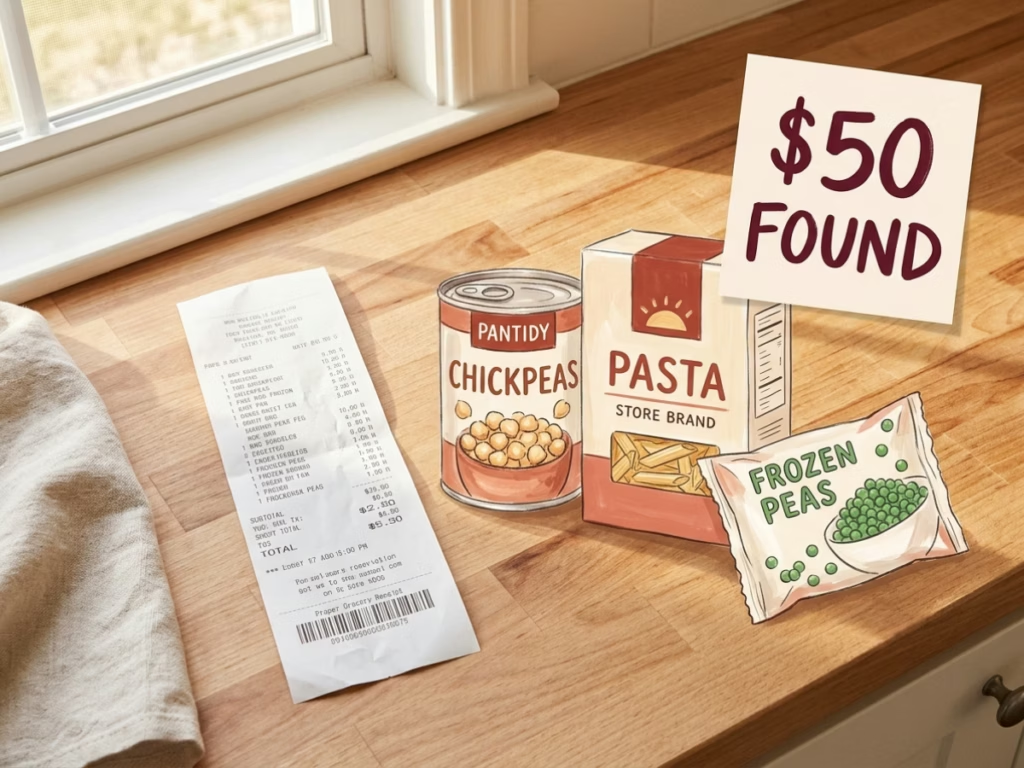
Let’s put the math on the table, because a pantry reset for families only means something if you can see the numbers:
- Convenience packaging premium: switching two or three items per week from pre-packaged to whole-and-portion-yourself recovers the markup on those items. For a family buying pre-cut fruit, snack packs, and portioned cheese regularly, this is easily $15 to $20 per week.
- Protein swap: replacing some deli meat and chicken breast with legumes and chicken thighs trims the protein line of your grocery spend meaningfully, roughly 20 to 30% on those items.
- Waste recovery from the audit: the food you find and actually use before it expires instead of throwing it out. Even a conservative estimate, one bag of salad, some aging cheese, a few eggs, adds up to $10 to $15 in the first week alone.
- Duplicate purchases avoided: knowing what you have before you shop prevents the chickpea situation. That’s another $10 to $15 per month not spent on things you already own.
For more on stretching what’s already in your kitchen before the next shop, the shop your pantry challenge is worth fifteen minutes of your time. And if the back-to-school grocery inflation is hitting your budget harder than usual, these pantry hacks for fighting grocery price rises are current and practical.
Frequently Asked Questions
How much can a pantry reset actually save on school lunches?
Most families find $30 to $50 in the first week by combining three moves: using up food that’s about to expire, eliminating the convenience-packaging premium on pre-cut produce and snack packs, and avoiding duplicate purchases. Pre-packaged and pre-cut items cost more than whole items portioned at home. That’s the biggest single lever, and you don’t have to change the menu to pull it.
What’s the cheapest protein for kids’ lunches in 2026?
Legumes, chickpeas, lentils, and canned beans, are the most cost-effective protein source for feeding families on a budget in 2026. Roasted chickpeas, hummus, and lentil patties all hold up well in a lunchbox. Chicken thighs are a cheaper and more flavorful option than chicken breasts when you do want meat, and they don’t dry out when cold the way breasts do.
Are frozen vegetables actually as good as fresh for kids?
Yes. Frozen vegetables are nutritionally equivalent to fresh, and sometimes better, because they are frozen immediately after harvest before nutrient loss begins. For lunchboxes, frozen corn, peas, and edamame are practical choices: no washing, no chopping, no expiration race, and they go into pasta salads and grain bowls without complaint.
Is store-brand food actually the same quality as branded?
For staples, pasta, rice, flour, tinned tomatoes, butter, yes. Store-brand versions are typically identical or near-identical in quality to branded products. The price difference is marketing spend, not ingredient quality. The pasta in the plain bag cooks in the same water for the same time and tastes the same in a lunchbox. Your kid will not file a complaint.
What goes in a “use first” bin and where does it live?
The “use first” bin lives at eye level in your fridge, the shelf you see first when you open the door. Everything that needs to be eaten within the next three days goes in it: leftovers, half-used ingredients, produce that’s close to its limit, anything with a clock ticking. When you’re packing lunches at 7am, you build from that bin first. It removes the memory requirement entirely and is one of the most practical steps in a 30-day pantry reset checklist, per NestPaths.
One Thing to Do Right Now
Open your fridge. Pull everything forward so you can see it. Find the three items most likely to expire before Friday.
Write them down. Build tomorrow’s lunch around at least one of them.
That’s the reset. Not a Sunday marathon, not a matching-container haul from a home goods store. One audit, one lunch, one item rescued from the bin. Do that three times this week and you’ll have found more than you expected before the school year even starts.
Food Waste Calculator
How much food are you throwing away?
The average household wastes about 30% of the food they buy. See what that costs you.
You’re throwing away about
$0
per year in wasted food
Pantry + Recipes
From "What's in the Fridge?" to Dinner in Minutes
Pantidy is a smart pantry app on iOS and Android that tracks what you have, flags what's expiring, and matches your inventory to recipes you've already saved.
- See every recipe you can make right now
- Filter for recipes that use expiring items first
- Check ingredient match percentages at a glance
- Add missing items to your shopping list in one tap