
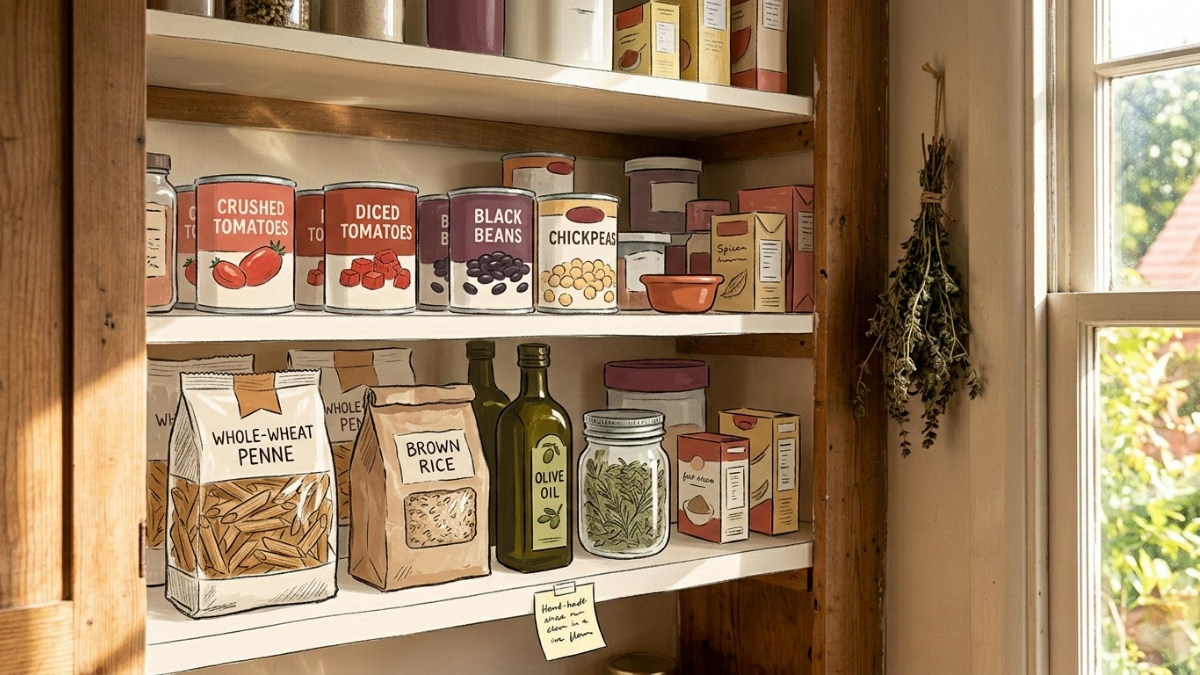
The fridge looks empty. It isn’t, really, there’s half a block of cheddar, two eggs, something in foil from three days ago, but nothing in there is announcing itself as dinner. Meanwhile, the pantry is full of things you bought with good intentions and haven’t touched since. If you’re staring at it wondering what to cook when your fridge looks empty, the answer is already behind you on the pantry shelf.
Here’s the answer: you don’t need the fridge. You need a formula.
The best no-fuss pantry meals aren’t random recipes you stumble onto. They’re repeatable patterns built from shelf-stable staples that most kitchens already have, pasta, rice, canned beans, canned tomatoes, eggs, soy sauce, and a few spices. The same core ingredients can become shakshuka on Monday, fried rice on Wednesday, and a lentil dal on Friday. No store trip. No decision spiral. Just dinner.
This is what pantry-first cooking actually looks like in practice, and it’s faster to decide than opening a delivery app.
Key Takeaways:
- Eggs, canned beans, canned tomatoes, and rice are the four most versatile “empty fridge” ingredients, each one can anchor at least three different dinners.
- Red lentils cook in about 20 minutes and require only onion and spices to become a filling meal, making them one of the fastest pantry dinners available.
- A starch plus a protein plus a flavor builder is a repeatable formula that works regardless of what specific items you have on hand.
- Pantry-first cooking is positioned by food-budget researchers as both budget-friendly and stress-reducing because it removes the need for an unplanned store trip.
- Keeping a small set of highly versatile staples, beans, tomatoes, rice, eggs, soy sauce, means the same pantry can produce meaningfully different dinners all week.
The Formula for What to Cook When Your Fridge Looks Empty
Before we get into specific meals, here’s the structure that makes all of them work: one starch, one protein, one flavor builder. That’s it.
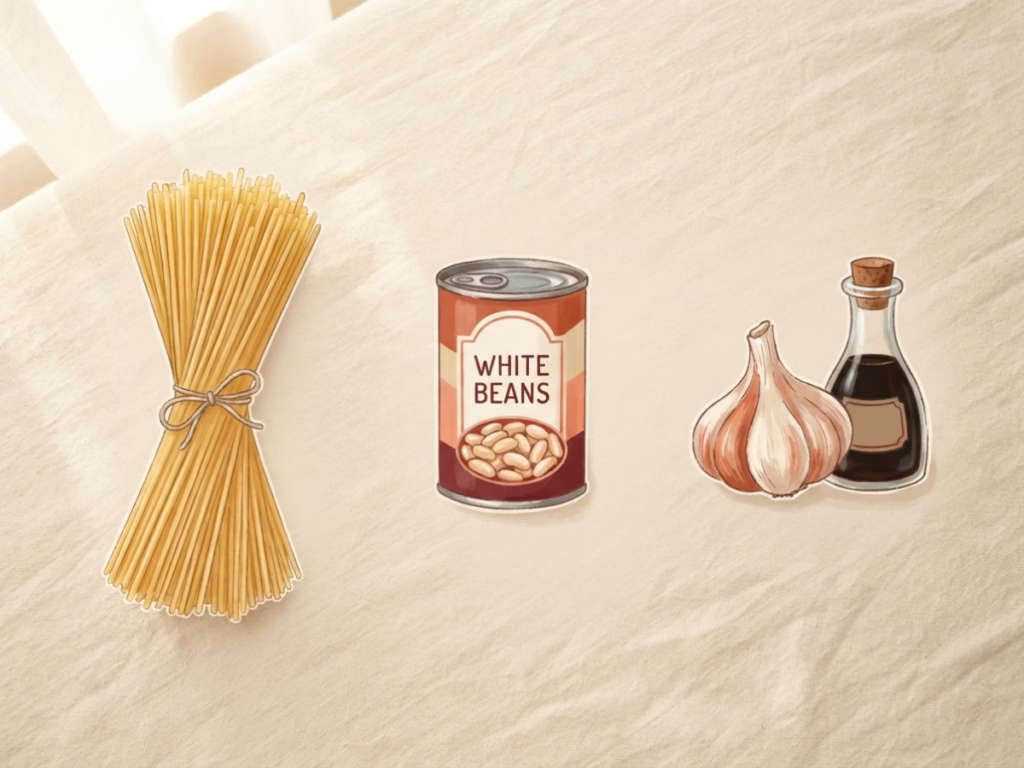
Starch: pasta, rice, lentils, canned chickpeas, bread, or potatoes (which last longer than most people expect)
Protein: eggs, canned tuna, canned beans, canned lentils, or whatever’s left in the freezer
Flavor builder: canned tomatoes, soy sauce, onion, garlic, stock cube, cumin, chili powder, or turmeric
When you stop thinking “what do I feel like eating?” and start thinking “what do I have in each column?”, dinner takes about three minutes to decide. The rest is just cooking.
The reason this works isn’t magic. It’s that the flavor builders, onion, garlic, soy sauce, spices, are doing the heavy lifting. The same can of chickpeas tastes completely different roasted with cumin versus simmered in canned tomatoes with chili powder. Your pantry isn’t boring. It’s just underused.
Five Pantry Dinners Worth Memorizing
These aren’t recipes with precise measurements. They’re patterns. Once you know them, you can run them on autopilot.
1. Eggs + Canned Tomatoes = Shakshuka (or Close Enough)
Open a can of crushed tomatoes. Add garlic and cumin if you have them. Let it simmer for five minutes. Crack eggs directly into the sauce, cover the pan, and cook until the whites are set. That’s shakshuka. It’s one of the most reliable “nothing in the fridge” meals because eggs can anchor scrambled eggs, omelets, shakshuka, and fried rice, and you probably have a few left.
Serve it with bread or over rice. If you have a block of cheddar hiding in the back of the fridge, crumble some on top. Dinner done, one pan, under 20 minutes.
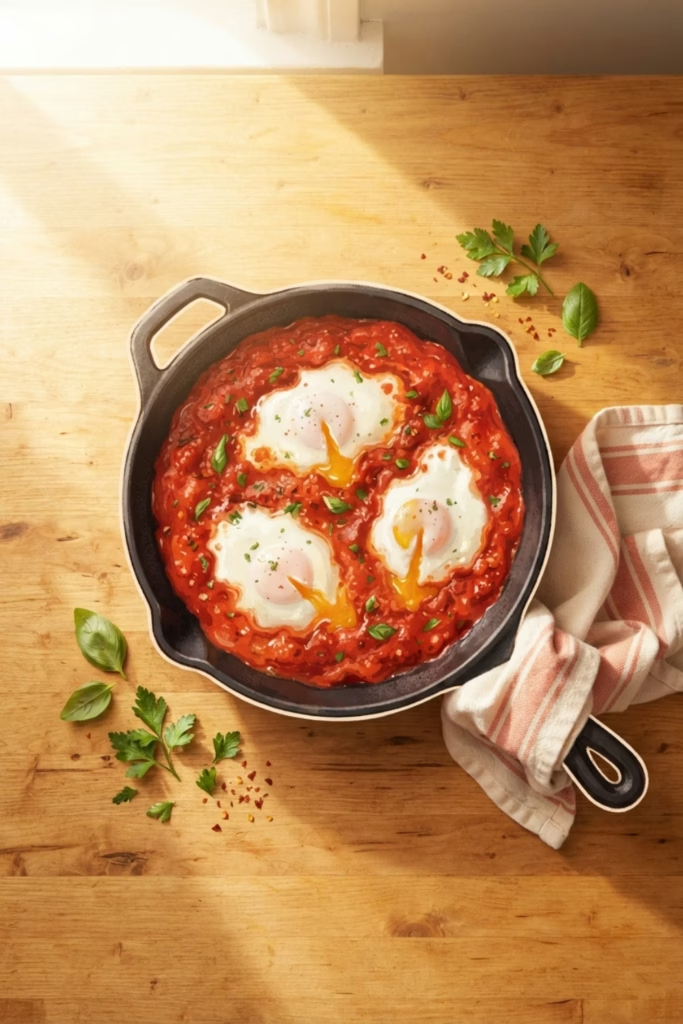
2. Canned Beans + Pasta = Pasta e Fagioli
Boil pasta. While it cooks, sauté garlic in olive oil, add a can of white beans (or whatever beans you have), add a splash of the pasta water, and let it thicken into a sauce. Salt aggressively. That’s pasta e fagioli. Beans, pasta, garlic, and oil. It’s been a reliable pantry dinner long enough that it has a name. No Parmesan required. No fresh vegetables required. Just beans, pasta, garlic, and oil.
Canned beans and canned tomatoes show up across multiple pantry-meal lists because they’re genuinely that versatile, they can be turned into pasta sauces, stews, soups, and more with only a few additions.
Three More Pantry Dinners That Work on Autopilot
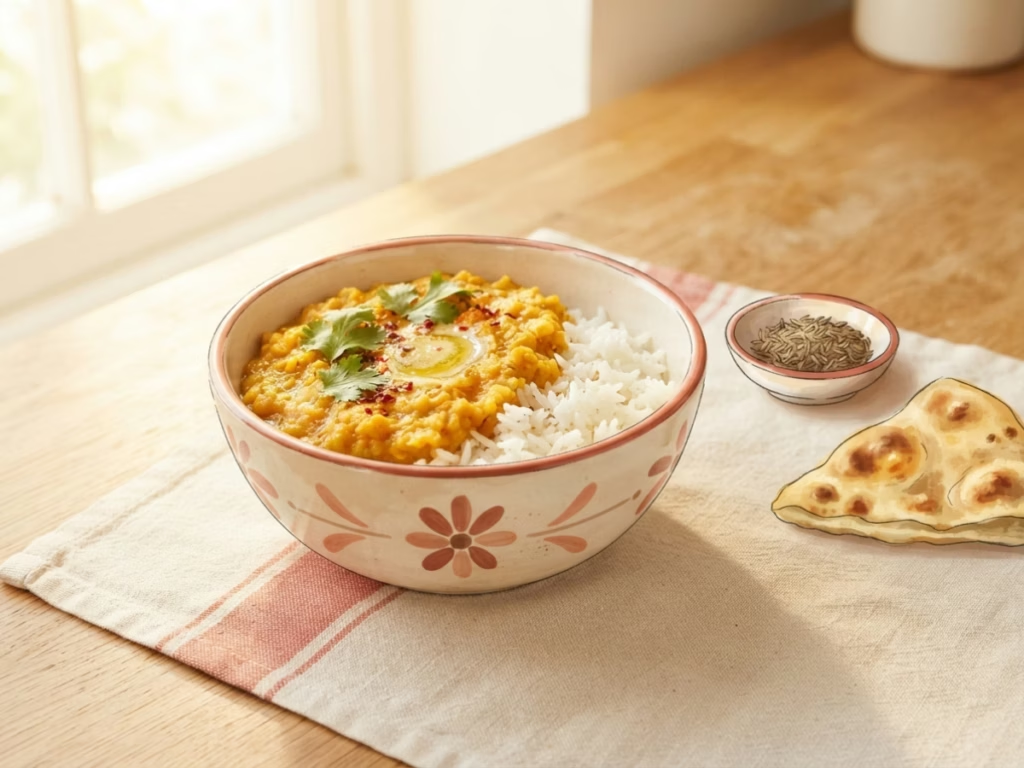
3. Red Lentils + Onion + Spices = Dal
This one is worth memorizing specifically because red lentils cook in about 20 minutes and don’t need soaking, which makes them one of the fastest pantry dinners with real staying power, per FridgeFirst. Sauté a diced onion until soft. Add garlic and cumin (turmeric if you have it). Add red lentils and water or broth in roughly a 1:2 ratio. Simmer until the lentils dissolve into a thick porridge. Salt to taste.
Serve over rice or with bread. It’s filling and it costs a fraction of what takeout runs.
4. Rice + Soy Sauce + Egg = Fried Rice
This is the classic “nothing left” meal, and it earns that reputation. Day-old rice works better than fresh (less sticky), but fresh works fine if you spread it out and let it dry for a few minutes. Heat oil in a pan until it’s genuinely hot. Add the rice, let it sit without stirring until it crisps slightly on the bottom. Push it to the side, scramble an egg in the empty space, then fold everything together. Add soy sauce. Done.
Enjoying this?
Eat more of what you buy.
One short email a week. Preservation tricks, ingredient deep-dives, and the small kitchen habits that can quietly save $700+ a year on food waste. Pinky promise: no spam.
If you have a forgotten bag of frozen peas or a stray carrot, those go in too. But they’re optional. The core, rice, egg, soy sauce, is complete on its own. See also: what to do when the fridge has scraps and the pantry has staples.
5. Canned Tuna + Pasta + Olive Oil = Tuna Pasta
Boil pasta. Drain it, but save a cup of the pasta water. Toss the pasta with a can of drained tuna, a generous pour of olive oil, garlic if you have it, and enough pasta water to make it saucy. Add chili flakes if you have them. This is a pantry meal that tastes like you made an informed decision, not like you were desperate. It comes together in the time it takes the pasta to cook.
What to Keep in the Pantry So This Always Works
The five meals above share a short list of overlapping ingredients. If you have most of these, you can almost always find dinner without a store trip:
- Pasta or rice, rice lasts essentially indefinitely in a sealed container; pasta is similar
- Canned tomatoes (crushed or whole)
- Canned beans (chickpeas, white beans, black beans, any of them)
- Red lentils
- Canned tuna
- Eggs, check your eggs’ actual shelf life before you assume they’re gone
- Olive oil
- Soy sauce
- Onion, onions last weeks at room temperature, which is why they’re always there when everything else is gone
- Garlic
- Cumin, chili powder, turmeric, the three spices that make everything taste intentional
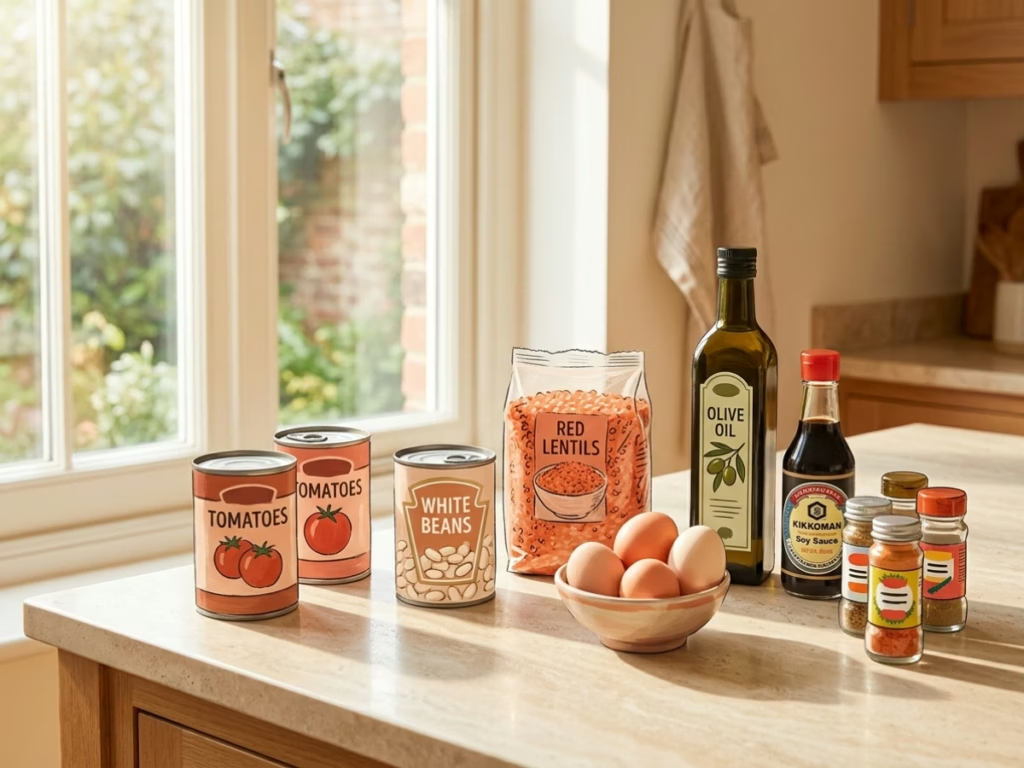
That’s 11 items. When all 11 are present, you have at least a dozen different dinners available without buying anything.
The key insight from my personal food-budget research is that pantry cooking is both budget-friendly and stress-reducing because it lets cooks assemble dinners without an extra store trip. It’s not just about the money saved on the meal. It’s about the hour you didn’t spend driving to the store at 6pm because you panicked or forgot to pull something out of the freezer.
The Fridge Isn’t Empty. You’re Just Not Seeing It
Here’s what’s actually happening when the fridge “looks empty”: the visible stuff is gone and the remaining ingredients aren’t presenting themselves as a meal. Half a block of cheddar. Two eggs. A container of leftover rice. Some wilting spinach in the produce drawer (the forgotten lands, where good intentions go to decompose quietly).
Those four things are fried rice with cheese and greens. That’s dinner.
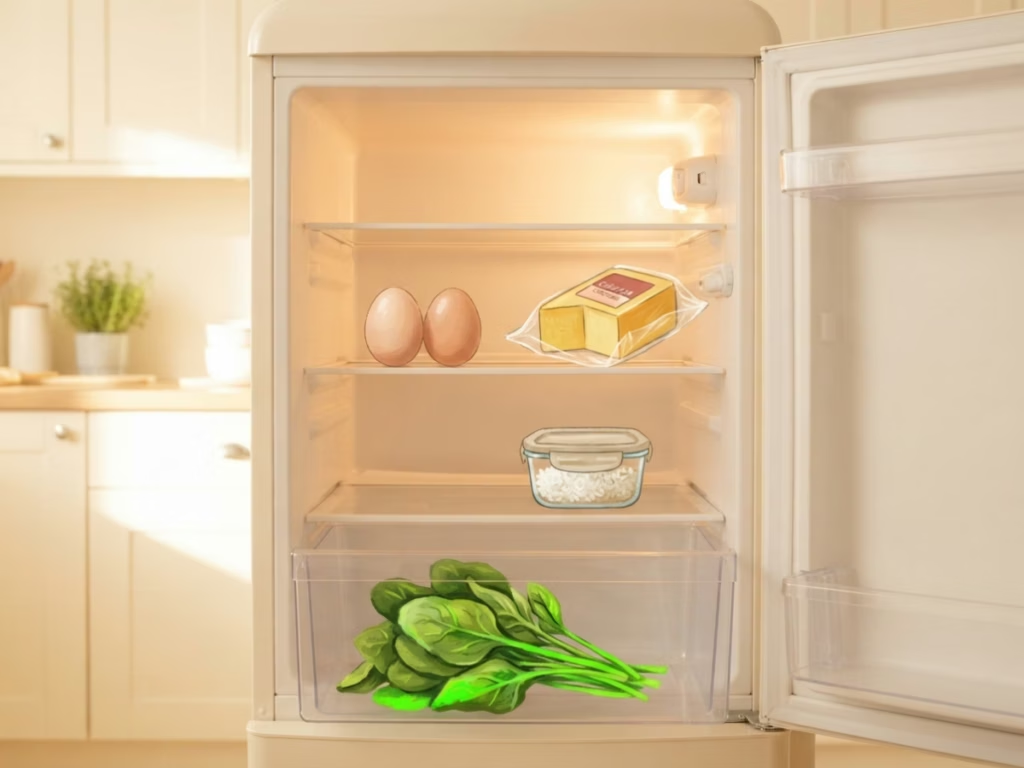
The problem isn’t the ingredients. It’s the mental model. Most people scan the fridge looking for a complete meal to appear. It won’t. You have to build it from components, and the components are almost always there, they’re just not labeled “dinner.”
This is where Pantidy actually helps. The app runs on iOS and Android and tracks what’s in your pantry, fridge, and freezer with expiration dates, then matches those items against recipes you’ve actually saved. So instead of staring into the fridge trying to remember if you have beans, you can see exactly what’s there and what you can make from it right now. Try Pantidy free for 14 days, then $5 a month.
When the Pantry Has Repeats (And Your Fridge Has Stragglers)
A common version of the “empty fridge” problem is actually a mismatch problem: the fridge has random stragglers and the pantry has duplicates you forgot you bought. Sound familiar? You bought soy sauce. Forgot you had soy sauce. Bought it again. Now you have two bottles of soy sauce and are wondering how you’ll get through them.
The fix isn’t buying more. It’s a quick audit before you shop. Pull things forward. Check what’s actually there. Then build your list around what’s missing, not what you feel like eating. For a deeper look at turning whatever’s left into a real meal, this post on post-event fridge leftovers is worth reading, the same logic applies to any week when the fridge has odds and ends but no obvious plan.
Frequently Asked Questions
What can I cook when my fridge is almost empty?
Start with eggs, canned beans, or canned tuna, these three ingredients can anchor a complete meal on their own. Pair any of them with a starch (pasta, rice, or bread) and a flavor builder (garlic, soy sauce, canned tomatoes, or spices) and you have dinner. The formula is simpler than it looks once you stop searching for a specific recipe and start looking for one item from each column. These are the fridge-empty recipes that show up on every reliable pantry-cooking list for a reason.
What are the best pantry staples for last-minute dinners?
Canned tomatoes and canned beans show up across nearly every pantry-meal resource because they can be turned into pasta sauces, stews, soups, and shakshuka-style dishes with minimal additions, per Epicurious. Red lentils are worth adding to that list because they cook in about 20 minutes without soaking, per FridgeFirst, which makes them faster than most people expect.
How do I make a meal without fresh vegetables?
You don’t need them. Canned tomatoes count as a vegetable. Canned beans provide fiber. Eggs provide protein and fat. A lentil dal or a pasta e fagioli is a complete, filling meal with zero fresh produce, and it tastes intentional, not like a consolation prize. If you do have something wilting in the produce drawer, it almost certainly belongs in whatever you’re making.
Is pantry cooking actually cheaper than ordering takeout?
Consistently, yes. A pot of dal made from red lentils, onion, and spices costs a fraction of what a delivery order runs, and it feeds more people. The savings aren’t just in the meal cost, either. Pantry-first cooking is also a way to use up what you already bought before it expires, which is where most food-budget losses actually happen.
How do I remember what’s in my pantry so I don’t keep buying duplicates?
A running note on your phone that you update when you actually run out of something beats trying to reconstruct your pantry from memory at the store. For a more automatic approach, Pantidy tracks your pantry inventory with expiration dates and shows you exactly what you have before you write your next shopping list, so you stop buying the fourth bag of rice (we don’t judge, but we do prevent it).
One Thing to Do Right Now
Open your pantry and pull out one can of beans or one bag of lentils. Put it on the counter. That’s tonight’s protein. Now find your starch (pasta, rice, bread, whatever’s there) and pick one flavor builder from the shelf.
You have dinner. You just couldn’t see it yet.
Food Waste Calculator
How much food are you throwing away?
The average household wastes about 30% of the food they buy. See what that costs you.
You’re throwing away about
$0
per year in wasted food
Pantry + Recipes
From "What's in the Fridge?" to Dinner in Minutes
Pantidy is a smart pantry app on iOS and Android that tracks what you have, flags what's expiring, and matches your inventory to recipes you've already saved.
- See every recipe you can make right now
- Filter for recipes that use expiring items first
- Check ingredient match percentages at a glance
- Add missing items to your shopping list in one tap