
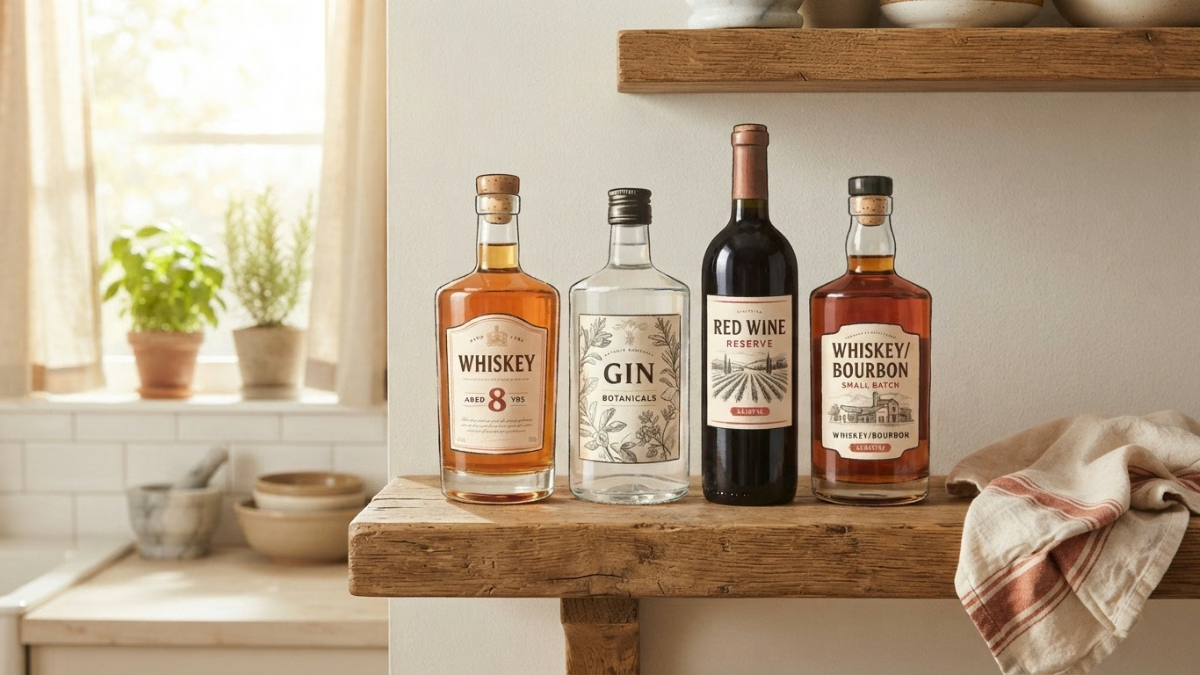
That bottle of whiskey sitting behind the mixing bowls since 2019 is probably fine. The half-empty wine from last Tuesday is not. The difference is not about alcohol being safe or unsafe, it is about quality, and knowing which bottles are worth saving versus which ones are quietly becoming a drain on your bar budget. If you have ever wondered how long opened liquor actually lasts, the answer depends on what type it is and how you store it.
Most unopened distilled spirits are shelf-stable indefinitely when stored correctly, according to expert guidance cited by Delish. Once you crack the seal, that timeline shrinks, and how fast depends on what type of alcohol it is, how full the bottle is, and where you’re storing it. The short version: spirits last longest, wine moves fastest, and beer is basically a countdown clock the moment it leaves the store.
Here is the full breakdown by bottle type, plus the storage rules that keep everything tasting the way it should.
Key Takeaways:
- Unopened distilled spirits above 40% ABV are shelf-stable indefinitely when stored properly, according to expert guidance cited by Delish.
- Once opened, spirits are generally best within one to two years; the main threat is oxidation flattening flavor, not the drink becoming unsafe.
- Air, temperature, and light are the three quality-degrading factors for all alcohol, controlling them extends every bottle significantly.
- Beverages under 20% ABV, including most wines, should be refrigerated after opening and consumed within days to a few months depending on composition.
- Carbonated drinks like beer and Champagne can lose carbonation within 24 hours of opening, per Epicurious.
The Real Enemy Isn’t Age. It’s Air, Temperature, and Light
Before the bottle-by-bottle breakdown, one thing worth knowing: alcohol safety is almost never the issue. The main thing that changes over time is flavor, and Iowa State University Extension confirms that the quality-degrading factors for alcohol are air, temperature, and light, not time on its own.
What oxidation actually does is flatten the taste. A whiskey that was bright and complex in 2022 might taste a little dull and one-dimensional by 2026 if the bottle was left half-empty on a sunny shelf. Still drinkable. Just not what you paid for.
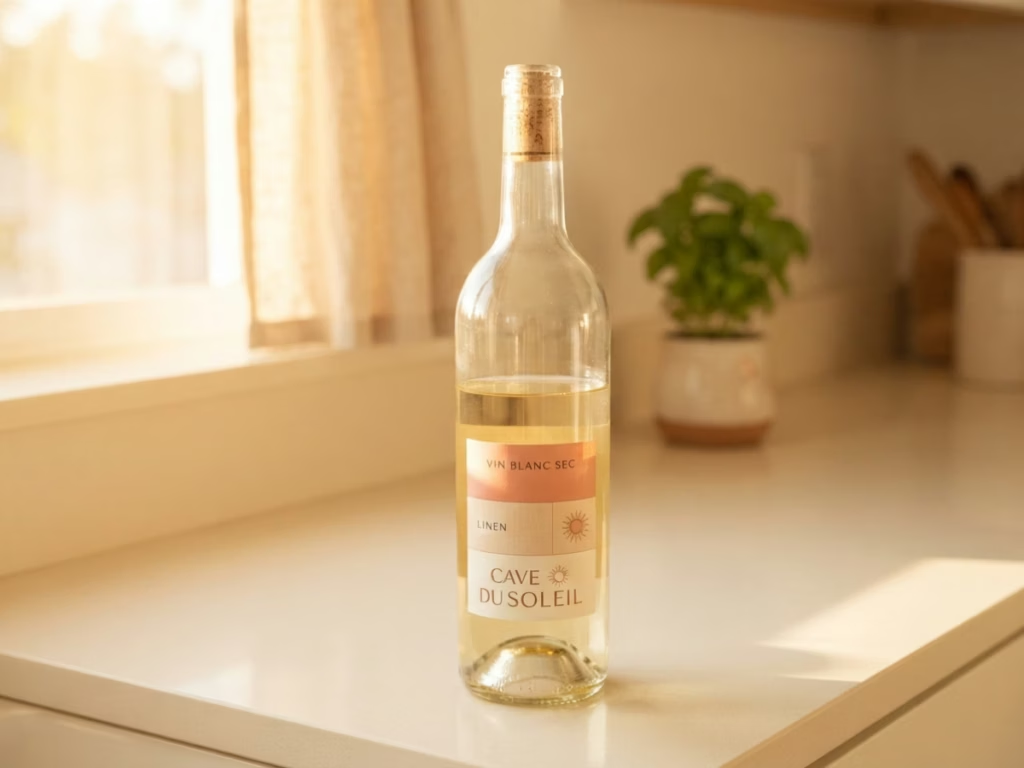
The practical takeaway: a full, sealed bottle stored in a cool, dark spot is going to outlast a half-empty bottle left on the counter by years. Bottle fill level matters more than most people realize, because more air in the bottle means faster oxidation. If you have a spirit you want to preserve, consider transferring it to a smaller bottle once it gets below the halfway mark. (Yes, this is the kind of thing that sounds fussy until you do it once and realize it takes thirty seconds.)
Spirits: The Long Game
Vodka, gin, rum, tequila, and whiskey are the workhorses of most home bars, and they are also the most forgiving. Unopened, they are effectively indefinite. Opened, you have more runway than you think.
According to WebstaurantStore, opened base liquors are generally best within six months to two years, while unflavored vodka may stay shelf-stable for up to ten to twenty years before potency starts to break down. That is a wide range, and it is intentional, the variable is how you store it.
The rule for spirits is simple: store them upright, at room temperature or cooler, away from direct light. Not in the freezer (which mutes the aromatics), not next to the stove, and definitely not on the windowsill where they look great in photos and taste worse every week. The forgotten lands behind the ketchup and milk cartons in your pantry are, genuinely, a better spot than that.
Flavored liqueurs are the exception. Cream-based liqueurs like Baileys have a shorter window, typically one to two years unopened, and six months to a year once opened, refrigerated. Fruit-based liqueurs hold up better but still degrade faster than their unflavored counterparts. If it has dairy in it, treat it more like the milk in your fridge than like a bottle of bourbon.
Wine: Days, Not Months (Once Opened)
This is where most people lose money without realizing it. A bottle of wine opened on Friday and left on the counter with the cork pushed back in is not wine by Monday. It is vinegar in progress.
Epicurious notes that opened beverages under 16% ABV, which includes most still wines and sake, should ideally be consumed within a few days after refrigeration. Even in the fridge with a proper wine stopper, you are looking at three to five days for a red, five to seven for a white, and maybe a week for a sparkling if you use a Champagne stopper immediately after opening.
The math on wasted wine adds up faster than most people expect. A bottle you opened for one glass on a Tuesday, left on the counter, and poured down the drain on Saturday is not a small loss. Do that twice a month and you have thrown out roughly $30 to $40 of wine on something that never made it to a second pour. That is a grocery run.
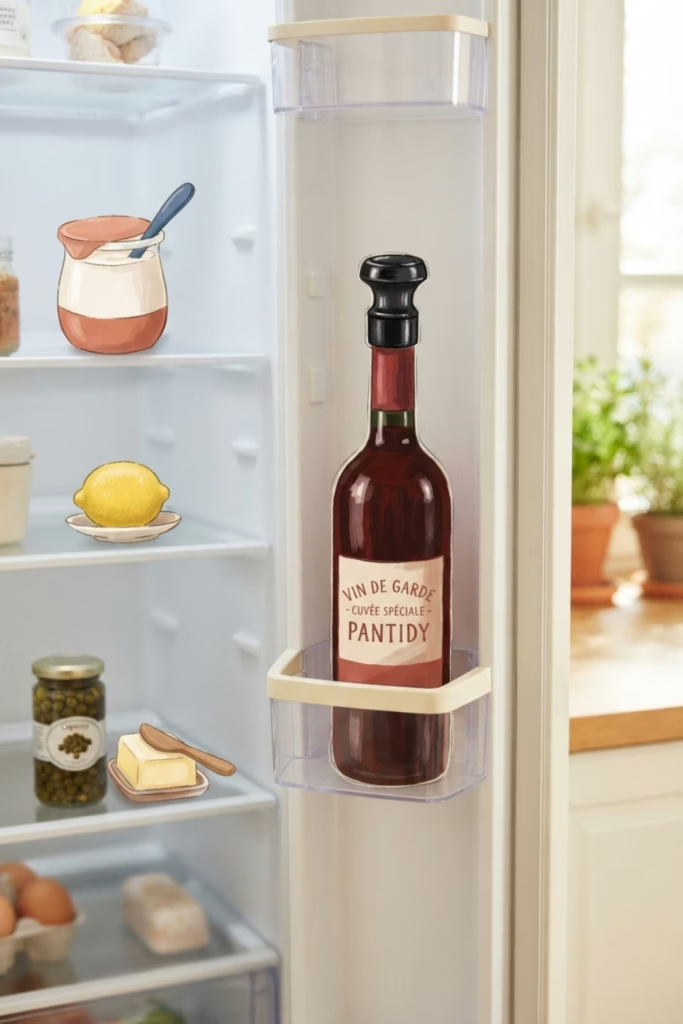
The fix is not complicated: refrigerate immediately, use a vacuum wine stopper (a few dollars, reusable for years), and commit to finishing the bottle within three to five days. If that is not realistic, buy smaller bottles or a wine-by-the-glass option for weeknight drinking. Pantidy tracks expiration windows on iOS and Android, so you can log an opened bottle and get a reminder before it turns, one of those features that sounds minor until you actually use it.
For a deeper look at the wine-specific storage question, this guide to storing opened wine without waste is worth bookmarking.
Beer: It’s Already a Countdown
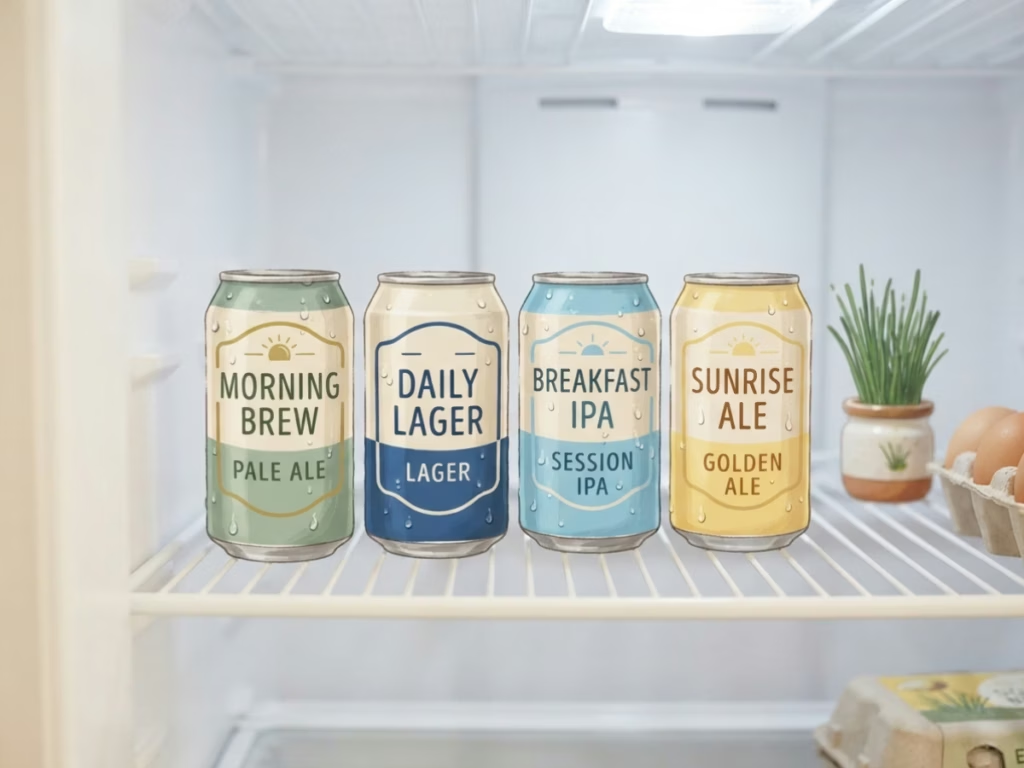
If you are wondering how long beer lasts in the fridge, most commercial cans and bottles are best within three to six months of their packaging date, even stored cold.
Beer is the most time-sensitive thing in most people’s refrigerators, and also the most likely to be forgotten in the back of a drawer until it is inexplicably flat and smells like a wet cardboard box.
Carbonated drinks like beer and Champagne can lose their fizz within 24 hours of opening, per Epicurious. Unopened, most commercial beers are best within three to six months of the canning or bottling date. Craft beers with higher hop content can go stale even faster. Light and heat are the main accelerants, a beer stored warm and in sunlight is going to taste noticeably worse than the same beer kept cold and dark.
The practical move: buy beer closer to when you plan to drink it, store it cold from the moment you get home, and don’t stockpile more than you’ll realistically go through in a few weeks. That six-pack you bought for the Super Bowl and found in July? Technically still safe. Definitely not good. Pour it into a bratwurst marinade and call it a win.
Enjoying this?
Eat more of what you buy.
One short email a week. Preservation tricks, ingredient deep-dives, and the small kitchen habits that can quietly save $700+ a year on food waste. Pinky promise: no spam.
How to Tell If a Bottle Has Actually Gone Bad
The signs are not subtle. According to Southern Living, clear indicators that a bottle has gone bad include off smell, cloudiness, floating particles, and color change.
A quick checklist before you pour anything you are not sure about:
- Smell it first. If it smells vinegary, musty, or just wrong, trust your nose.
- Look at the color. Spirits should be clear or consistent with their type. Cloudiness or sediment in a bottle that was once clear is a flag.
- Check for floating particles. Not always a dealbreaker in aged spirits (some sediment is normal in older whiskeys), but in vodka or gin, it is not supposed to be there.
- Taste a small amount. If the flavor is flat, sour, or just off, the bottle has oxidized past its useful life.
The important distinction: a bottle that has “gone bad” in terms of flavor is almost never unsafe to drink. Distilled spirits above 40% ABV generally do not become unsafe from normal storage, per Business Insider, oxidation makes them taste flatter or less vibrant, not dangerous. The exception is anything with dairy or low alcohol content, where spoilage can happen in the traditional sense.
The Storage Setup That Saves You Money
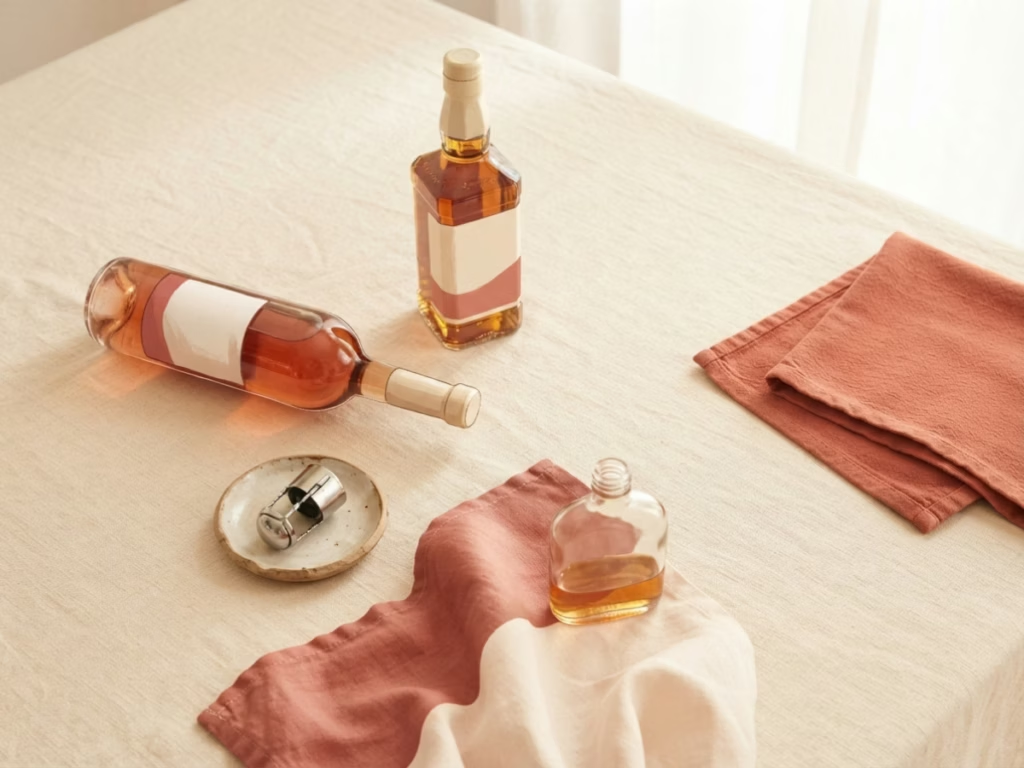
Here is the best way to store spirits, wine, and beer, organized by bottle type, so nothing quietly goes bad before you get to it.
Spirits (vodka, gin, rum, tequila, whiskey): Store upright, at room temperature, in a dark cabinet or pantry. No fridge required, no freezer. Once opened, minimize air exposure, use a bottle stopper if the bottle is less than half full.
Wine: Refrigerate immediately after opening. Use a wine stopper. Finish within three to five days for reds, five to seven for whites. Unopened wine stores best on its side at a consistent cool temperature, ideally between 45°F and 65°F.
Beer: Keep cold from purchase to pour. Store away from light. Don’t stockpile more than you’ll drink in a few weeks.
Cream liqueurs: Refrigerate after opening. Treat the expiration date seriously. When in doubt, smell it.
Champagne and sparkling wine: Use a Champagne stopper immediately after opening. Finish within one to two days.
If you want Pantidy to track your bar inventory the same way it tracks your olive oil or your pantry staples, the app handles expiration tracking across your whole kitchen, not just produce. Try Pantidy, 14-day free trial, available on iOS and Android.
How Long Does Opened Liquor Last? The Fill-Level Problem Nobody Talks About
Half-empty bottles are the real culprit in most home bars. A full, sealed bottle of gin is basically indestructible. That same bottle, opened six months ago, now sitting two-thirds empty on a warm shelf, that is a gin that has been quietly losing its character since the day you cracked it.
The fill level matters because more air in the bottle means more surface area for oxidation. A bottle that is 80% full has a small air pocket. A bottle that is 30% full is mostly air with some spirit in it. Basically a very expensive air freshener at that point.
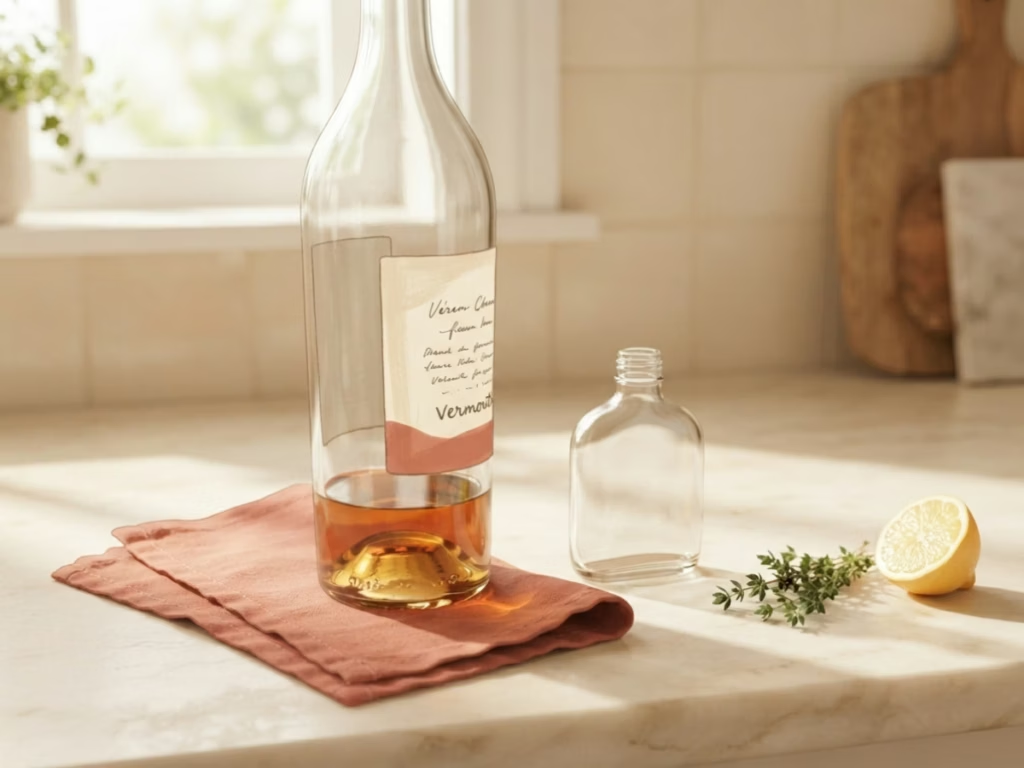
The fix: when a bottle gets below the halfway point, either commit to finishing it within a few weeks or transfer it to a smaller bottle to reduce the air gap. Small glass flasks and half-bottles are cheap and reusable, and this one habit extends the life of opened spirits significantly.
Frequently Asked Questions
Does unopened whiskey go bad?
No. Unopened whiskey stored in a cool, dark place is shelf-stable indefinitely, according to expert guidance cited by Delish. The flavor profile may evolve very slowly over decades, but it does not spoil or become unsafe. Once opened, whiskey is generally best within one to two years if you want to drink it at its peak.
How long does opened wine last in the fridge?
Most still wines last three to five days refrigerated after opening, with whites and rosés holding up slightly better than reds. Epicurious notes that opened beverages under 16% ABV should ideally be consumed within a few days of refrigeration. A vacuum wine stopper helps, but it is not a preservation miracle. This is your excuse to finish the bottle.
Does vodka expire?
Unopened vodka is effectively indefinite. WebstaurantStore notes that unflavored vodka may stay shelf-stable for up to ten to twenty years before potency starts to break down. Opened vodka is best within a couple of years, though it remains safe well beyond that, the quality just flattens over time.
How can you tell if alcohol has gone bad?
The clearest signs are an off or sour smell, cloudiness, floating particles, and color changes, according to Southern Living. For spirits, “gone bad” almost always means flavor degradation rather than anything unsafe. For cream liqueurs or low-ABV drinks, spoilage can be more significant, smell it first and trust your instincts.
Should you refrigerate spirits after opening?
Generally, no. Distilled spirits above 40% ABV do not require refrigeration, per Business Insider, and can actually lose aromatic complexity in the freezer. The exceptions are cream liqueurs and any spirit-based drinks with dairy or juice, which should be refrigerated. For everything else: cool, dark, upright, sealed.
One Thing to Do Today
Go find the oldest opened bottle in your collection right now. Smell it. Look at the fill level. If it is less than half full and has been sitting there for more than a year, either commit to finishing it this week or transfer it to a smaller bottle today. That is it. One bottle, five minutes, and you will either save it or make a clear-eyed decision to move on.
Food Waste Calculator
How much food are you throwing away?
The average household wastes about 30% of the food they buy. See what that costs you.
You’re throwing away about
$0
per year in wasted food
Pantry + Recipes
From "What's in the Fridge?" to Dinner in Minutes
Pantidy is a smart pantry app on iOS and Android that tracks what you have, flags what's expiring, and matches your inventory to recipes you've already saved.
- See every recipe you can make right now
- Filter for recipes that use expiring items first
- Check ingredient match percentages at a glance
- Add missing items to your shopping list in one tap