
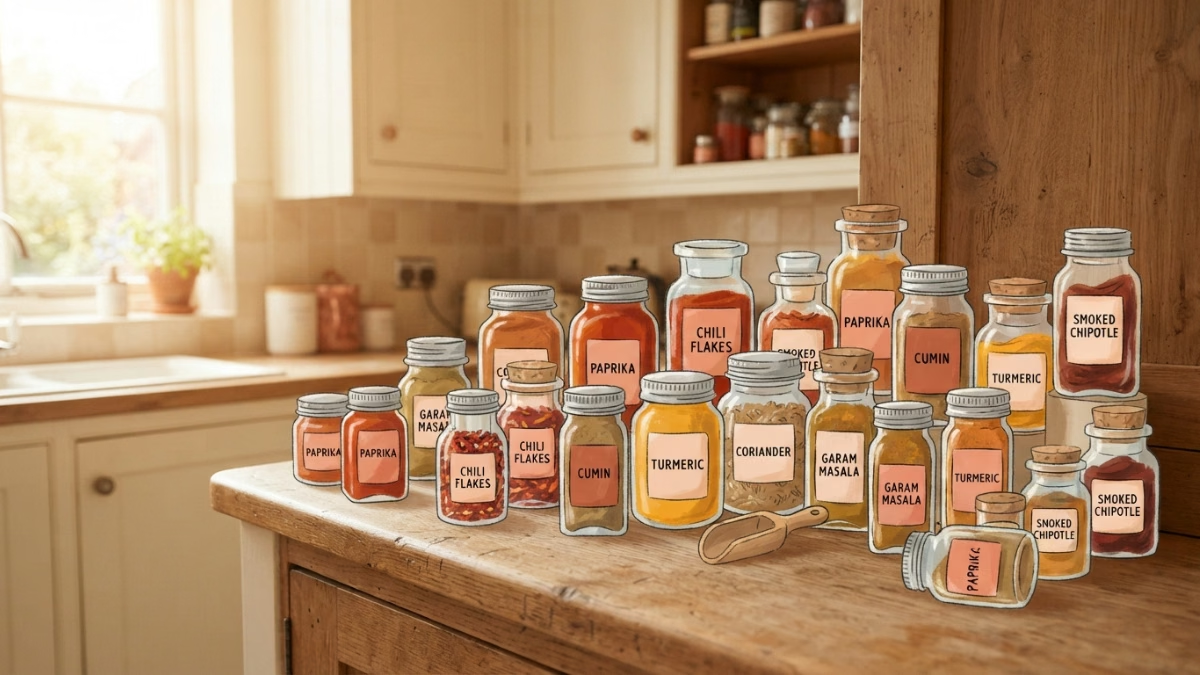
Your spice rack is probably hiding at least two jars of cumin. Maybe three. One from the taco phase, one from the “I’ll make curry” phase, and one that arrived in a gift set and has never been opened. That’s not a storage problem, it’s an inventory problem, and it takes 15 minutes to fix. Here’s how to organize your spice rack in 15 minutes, and actually keep it that way.
Here’s the reset: pull everything out, smell-test each jar, toss anything flat and lifeless, then rebuild in groups that match how you actually cook. Label each jar with the purchase date. Done. You’ll stop buying spices you already own, and the ones you keep will actually taste like something.
Key Takeaways:
- Spices degrade fastest when stored near heat, light, or excess air, keeping them away from the stove and direct sunlight extends their useful life, per Serious Eats.
- Grouping spices into use-based ‘kits’, such as cumin with coriander, or cloves with allspice, is faster than alphabetical order for cooks who make the same meals repeatedly.
- Labeling jars with the spice name and purchase date is the single most practical way to prevent duplicate purchases and identify stale stock.
- A spice reset takes about 15 minutes: pull everything out, discard what’s lost its aroma, then rebuild in groups that match how you actually cook.
- Pantidy tracks pantry inventory on iOS and Android so you can check what spices you already own before you add them to your shopping list.
Step 1: How to Organize Your Spice Rack Starts Here (and the Smell Test)
Food52 recommends starting a spice reset by taking everything out of the cabinet, rack, or drawer before you touch a single thing. This sounds obvious until you realize it’s the step everyone skips, and then wonders why the back row is still a graveyard six months later.
Get it all on the counter. Yes, all of it. That mystery tin from 2019 included.
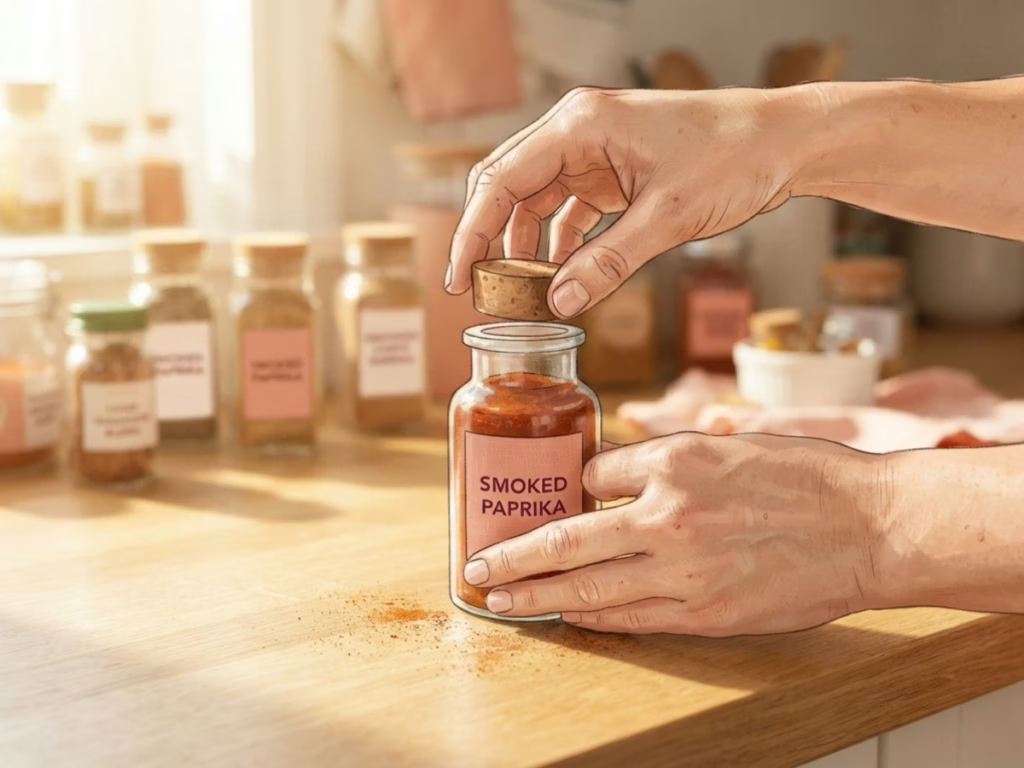
Ignore the printed date for a second. Open each jar and smell it. A good spice hits you immediately, sharp, warm, present. A dead spice smells like the idea of a spice. Faint and a little dusty.
Kath Eats recommends tossing anything that has lost its aroma before reorganizing, and that’s the right call. A jar of paprika that smells like cardboard isn’t saving you money. It’s making your food worse while taking up prime real estate.
Step 2: Group by How You Cook, Not the Alphabet
Alphabetical order is a trap. It looks organized and it is, technically, until you’re making a Thai curry at 6pm and you’re scanning from A to T while the onions burn.
Serious Eats recommends grouping spices into “kits” based on how they’re used together, cloves with allspice, cumin with coriander, chili powders together. Think by cuisine or by ingredient family, not by first letter.
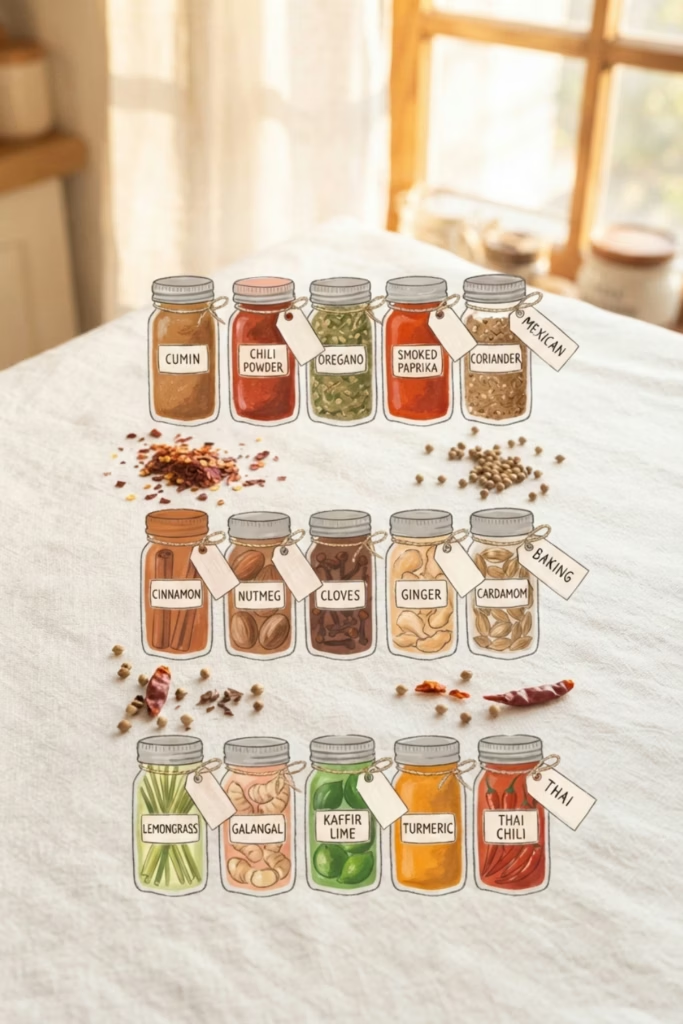
The meals you make every week should have their own little corner of the rack. (Your “ambitious dinner party” spices can live in the back.)
Whether you’re working with a drawer, a cabinet shelf, or a countertop rack, spice drawer organization follows the same logic: group by use, not by alphabet.
Step 3: Label with the Purchase Date. Not Just the Name
This is the move that actually stops the duplicate buying loop. SELF quotes an organizer who recommends labeling spices so related items stay together, writing “cumin, ground” instead of only “ground cumin” so the jar files correctly in your brain. Smart. But add one more field: the date you bought it.
Enjoying this?
Eat more of what you buy.
One short email a week. Preservation tricks, ingredient deep-dives, and the small kitchen habits that can quietly save $700+ a year on food waste. Pinky promise: no spam.
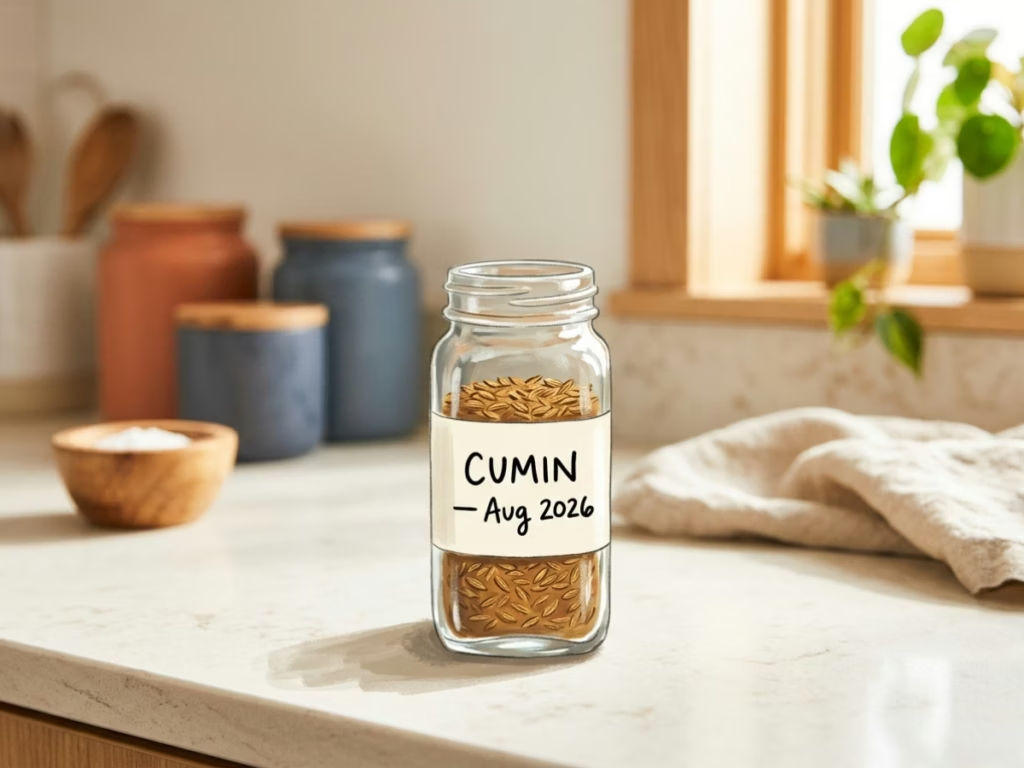
That date is the thing that saves you money at the store. You glance at the jar, see you bought it four months ago, and you don’t throw it in the cart again. No more phantom cumin.
Serious Eats also suggests setting a calendar reminder at 3, 8, 12, or 24 months depending on the spice, so you’re not relying on memory to know when to replace things.
Step 4: Store Away from the Stove (Seriously)
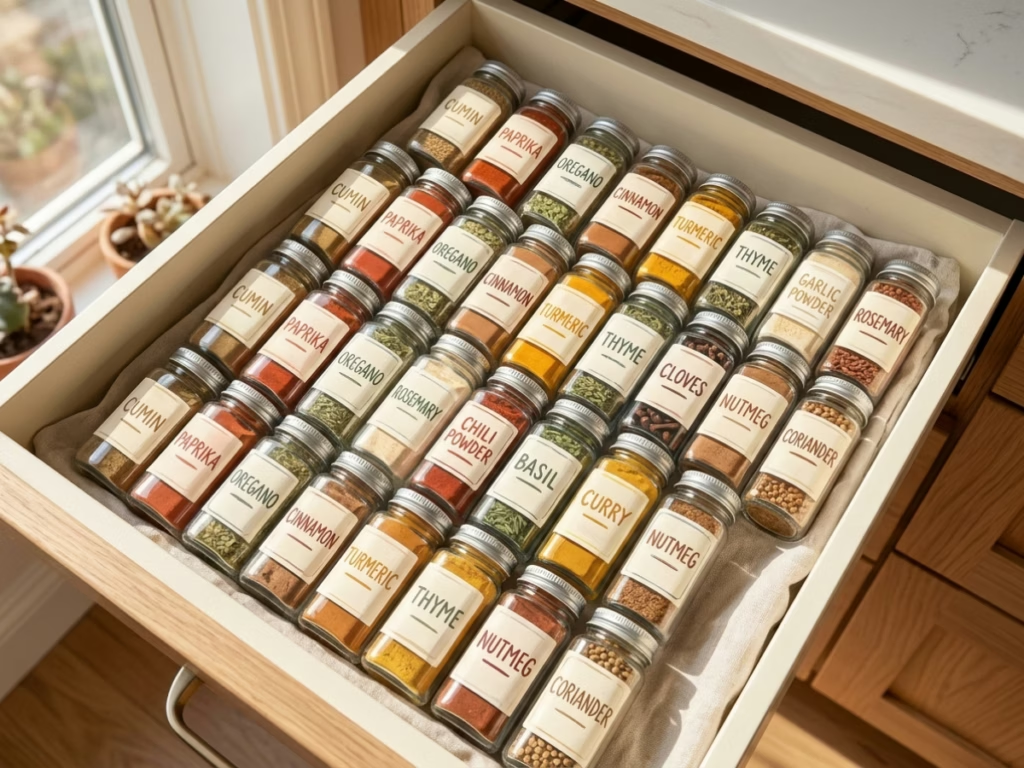
Serious Eats recommends keeping spices away from the stove, fridge, and direct sunlight because heat, light, and excess air all degrade the essential oils that make spices taste like anything. That rack mounted directly above the burner is costing you flavor and money at the same time. A drawer, a cabinet shelf, or an inside-the-door organizer all work better.
The same logic applies to everything else in your pantry, not just spices. Pantidy tracks your full inventory on iOS and Androidso you can check what you already own before you write your next shopping list. Try it free for 14 days.
This same habit, auditing before buying, works across your whole pantry. The 15-minute pantry sweep before school starts uses the same principle and takes the same amount of time.
Frequently Asked Questions
How do I know if a spice has gone bad?
The fastest way to declutter pantry spices is the smell test. Open the jar and smell it. A fresh spice has a clear, immediate scent, sharp, warm, or fragrant depending on the type. A stale spice smells faint or dusty, like a memory of the spice rather than the spice itself. If you have to stick your nose all the way in and still aren’t sure, toss it.
What’s the best way to organize your spice rack?
Alphabetical works if you have a very large collection and cook a wide variety of cuisines. For most households, grouping by how spices are used together, chili powders in one spot, warm baking spices in another, is faster in practice because you’re grabbing related jars at the same time.
How long do ground spices last?
It depends on the spice, but most ground spices are at their best within one to two years of purchase. Whole spices last longer. The smell test is more reliable than the printed date, if it smells like nothing, it’s done its job and it’s time to replace it.
What’s the best way to prevent buying duplicate spices?
Label each jar with the purchase date when you buy it, and keep your spice storage visible and grouped. Before you shop, glance at what you have. That two-second check is the entire system, and it works every time you actually do it (results may vary for those of us who shop hungry).
Where should I NOT store spices?
By the stove, the oven, and any window with direct sunlight. Heat and light break down the essential oils that give spices their flavor and potency, which means a rack mounted above your burners is quietly ruining your collection one cooking session at a time.
Do this today: open your spice cabinet, pull out every jar, and smell the three you use most. If any of them smell like nothing, write them on your shopping list, and write the purchase date on the new jar when you get home.
Food Waste Calculator
How much food are you throwing away?
The average household wastes about 30% of the food they buy. See what that costs you.
You’re throwing away about
$0
per year in wasted food
Pantry + Recipes
From "What's in the Fridge?" to Dinner in Minutes
Pantidy is a smart pantry app on iOS and Android that tracks what you have, flags what's expiring, and matches your inventory to recipes you've already saved.
- See every recipe you can make right now
- Filter for recipes that use expiring items first
- Check ingredient match percentages at a glance
- Add missing items to your shopping list in one tap