
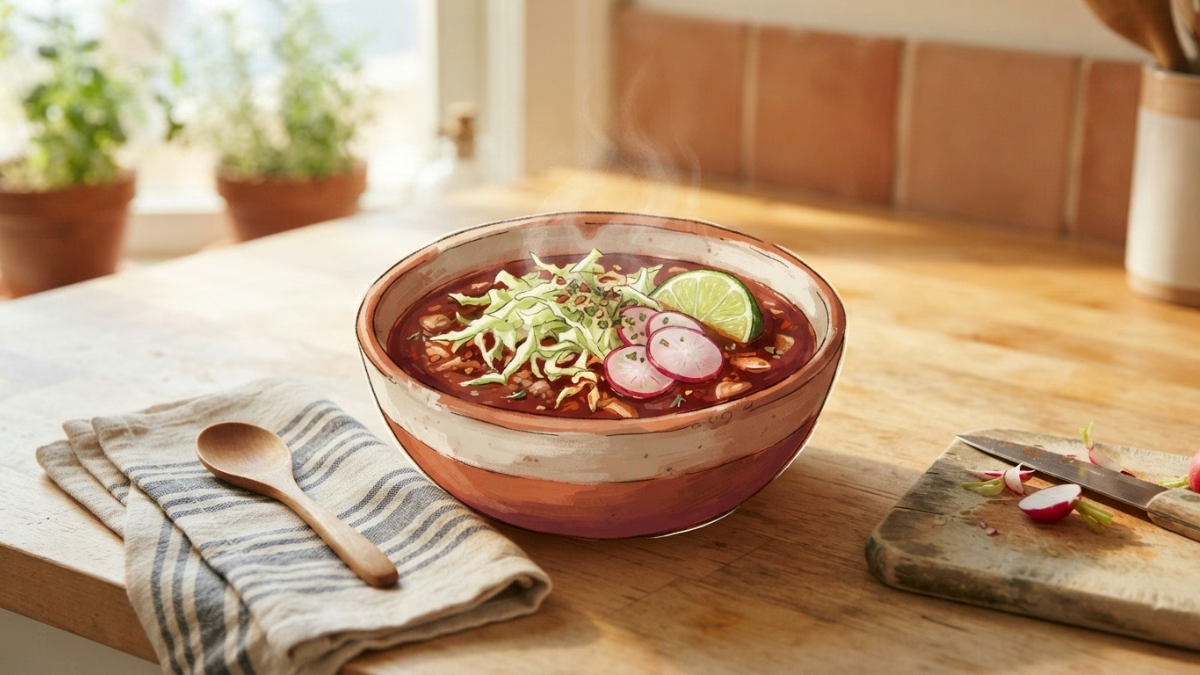
Authentic pozole rojo does not require a special trip to a specialty market. The flavor comes from toasted dried chiles, garlic, and a long simmer, the kind of ingredients that sit quietly on your pantry shelf for months, waiting for you to actually use them. Pork shoulder or shanks, a can of hominy, and a handful of dried guajillo or ancho chiles are all you need to make a pot of the real thing. Everything else, the toppings, the protein choice, the aromatics, bends to what you already have.
That’s the version nobody writes down: pozole rojo as a pantry-rescue meal. One of the most historically significant dishes in Mexican cuisine, made almost entirely from shelf-stable staples, and done in an afternoon without much hands-on time.
Here’s how to make authentic pozole rojo from what’s already in your pantry, no specialty market required.
Key Takeaways:
- Authentic pozole rojo flavor comes from toasted dried chiles and garlic, not expensive fresh produce, making it one of the most pantry-efficient meals you can build.
- Canned hominy goes in near the end of cooking (about the last 5 minutes), so it stays tender without overcooking and can be pulled straight from your pantry shelf.
- Pozole rojo follows a natural batch-cooking timeline: a 30-minute chile soak and a 2-hour pork simmer create built-in breaks that work well for busy weeknight cooking.
- The same chile-hominy base adapts to pork shoulder, shanks, or a lighter protein, so you can build the dish around whatever is closest to expiring in your fridge or freezer.
- Pozole rojo scales easily, one pot feeds a crowd for roughly the cost of a single delivery order, and the leftovers get better overnight.
Why This Authentic Pozole Rojo Tastes Like the Real Thing
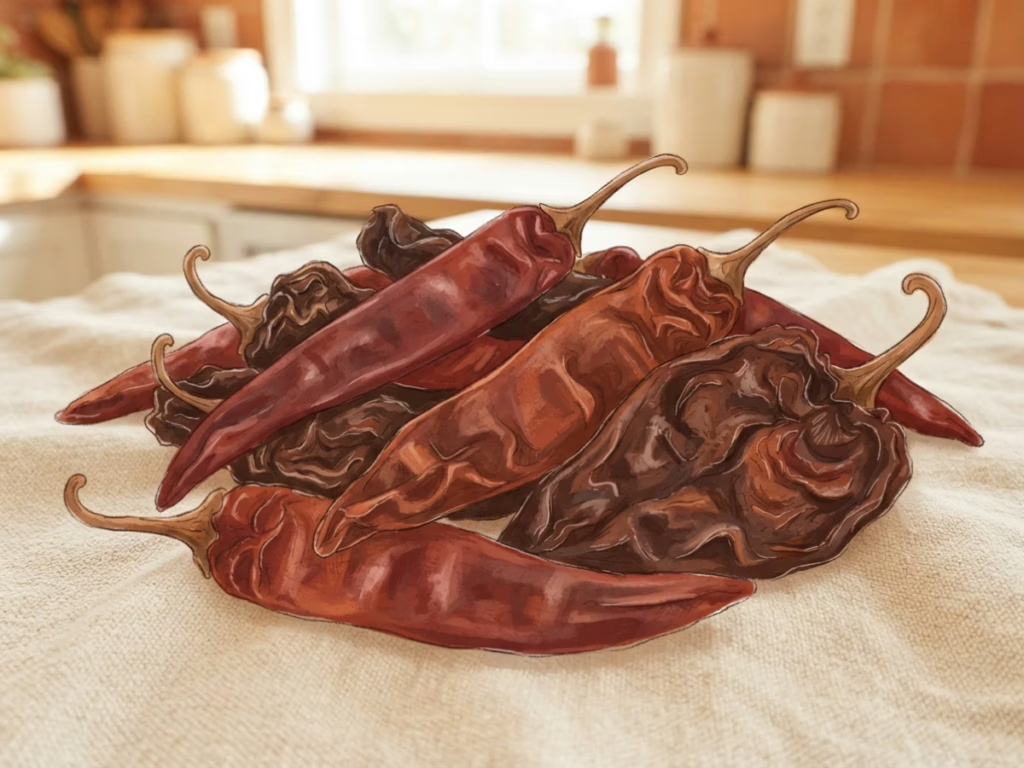
Most dishes that feel “authentic” taste that way because of fresh ingredients. Pozole rojo is the exception. The depth here comes from dried chiles, and dried chiles are better than fresh for this specific purpose. When you toast them in a dry pan, the residual oils bloom. When you steep them in hot water, the tough skins soften and a deep, brick-red liquid forms, a technique Serious Eats confirms deepens flavor without needing extra ingredients. When you blend that liquid with garlic, cumin, and oregano, you get a chile paste that smells like something someone’s abuela has been making for forty years.
That technique, toast, steep, blend, is the backbone of any good pozole rojo. Following those steps deepens flavor without needing extra ingredients, and that’s exactly right. It turns pantry staples into something that tastes like it came from a restaurant with a name you can’t pronounce correctly on the first try.
The other flavor driver is garlic. A lot of garlic. Traditional recipes use it in two places: the broth and the chile paste. One Food.com recipe uses 20 cloves in the broth and another 6 in the paste, which sounds excessive until you eat the soup and realize it’s actually just correct. Garlic and dried chiles are two of the cheapest aromatics at any grocery store. The flavor payoff per dollar spent here is almost unfair.
What You Actually Need (And What You Can Swap)
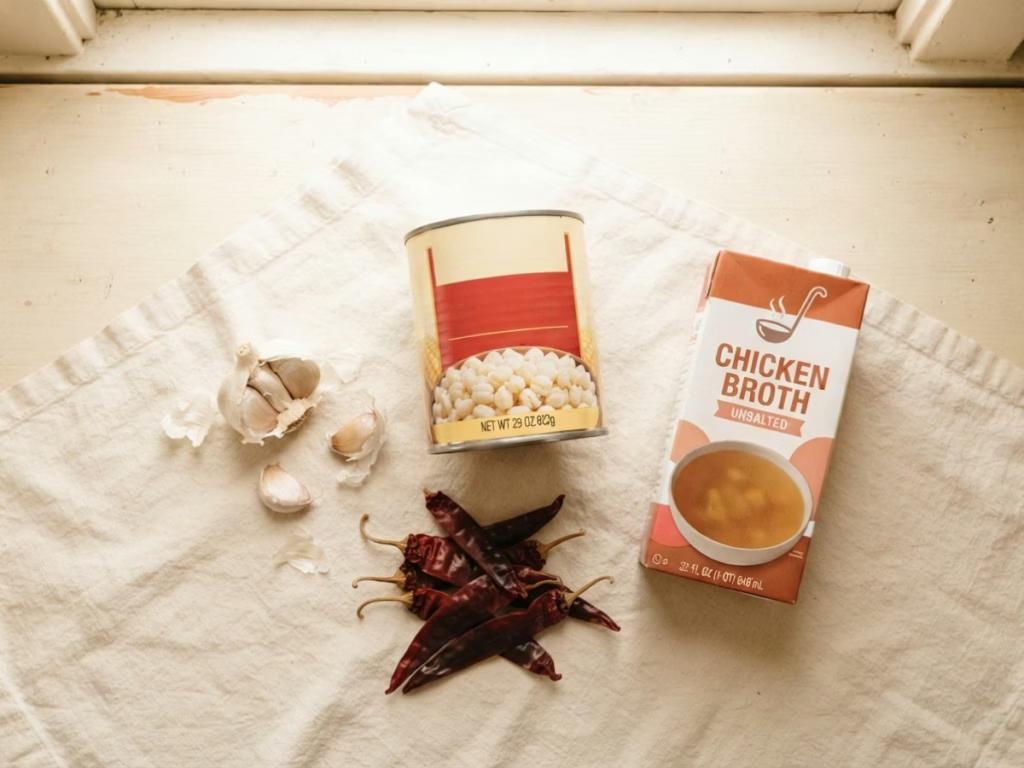
The non-negotiables:
- Dried red chiles: guajillo, ancho, pasilla, or a mix. Guajillos are sweet and tangy; anchos are deeper and slightly chocolatey. Either works, both together is better.
- Canned hominy: one or two 29-oz cans. Hominy is dried maize that’s been treated to soften and puff up. It’s the starchy, chewy backbone of the broth and there’s no real substitute. The canned version is exactly what you want, it goes in at the very end and just needs to heat through.
- Pork shoulder or shanks: this is the traditional choice and also one of the cheaper cuts of pork. It has enough fat and collagen to become genuinely tender after a couple of hours.
- Garlic: a lot of it. Don’t apologize.
- Chicken or pork broth: store-bought is fine, low-sodium is better so you can control the salt.
What you can work around:
If you’ve got chicken thighs instead of pork, they work. Not traditional, but the chile-hominy broth carries the dish regardless of the protein. If you’ve only got dried chiles in one variety, use what’s there. If your garlic is fresh or it’s been sitting in your pantry for a few weeks already, both are fine, dried garlic can last well over a year properly stored, and fresh works even better here.
This is the meal you make when you’re scanning the pantry at 4pm trying to figure out if there’s actually dinner in there. There is.
The Timeline (Which Is Actually Stress-Friendly)
Here’s the thing nobody explains about pozole rojo: it takes time, but almost none of that time is active. The soak, the simmer, and the hominy addition all create natural breaks. That’s not a bug. That’s the workflow.
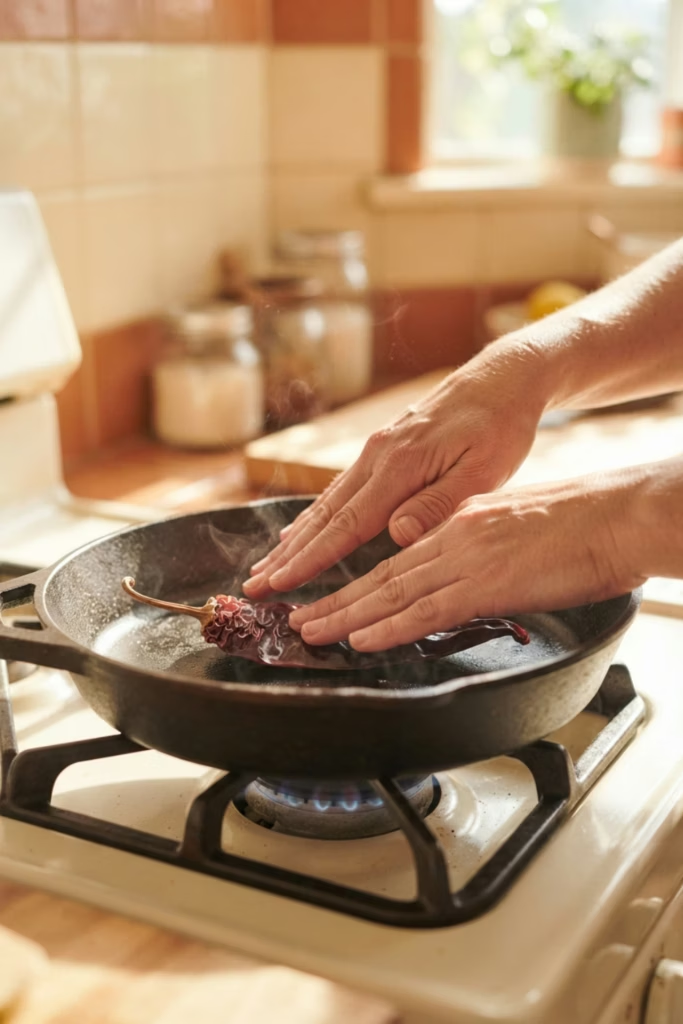
Step 1. Toast and soak the chiles (30 minutes, mostly passive)
Wipe your dried chiles clean with a damp cloth. Tear them open, shake out the seeds, and pull off the stems. Heat a dry skillet over medium heat and press the chiles flat against the surface for about 30 seconds per side, until they smell toasty and darken slightly. Don’t walk away, they go from toasted to scorched fast.
Once toasted, put them in a bowl and pour boiling water over them. Let them soak for 30 minutes. Then drain, reserving the soaking liquid, and blend the chiles with garlic (that second batch, 5 or 6 cloves), a teaspoon of cumin, dried oregano, and enough of the soaking liquid to get a smooth paste.
While they soak, you can prep the pork.
Step 2. Build the broth and simmer the pork (2 hours, almost entirely passive)
Season pork shoulder or shanks generously and brown them in a large heavy pot with a bit of oil. Don’t skip the browning, it’s 5 minutes and it adds a layer of savory depth that the chile paste alone can’t replicate. Once browned, add your broth, the first round of garlic (the 20 cloves, whole or roughly crushed), and enough water to cover the meat.
Bring to a boil, then reduce to a low simmer. The Food.com recipe simmers for about 2 hours, and that’s the right call. This is the phase where you’re not cooking, you’re just existing nearby. Make the rice. Help with homework. Watch whatever’s been sitting in your queue since last month.
After about 2 hours, pull the pork out, let it cool slightly, and shred it. Return the meat to the pot.
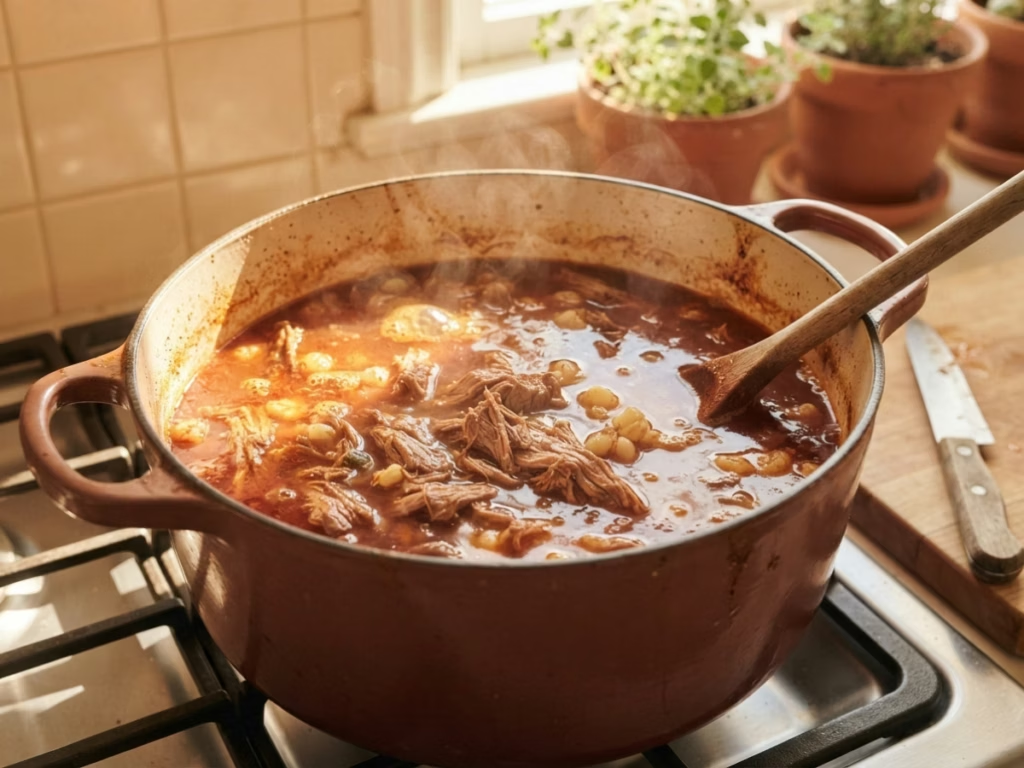
Step 3. Add the chile paste and hominy (15 minutes, done)
Stir in your blended chile paste. Let the whole pot simmer together for another 10 minutes so the paste integrates into the broth. Taste for salt. Then drain and rinse the canned hominy and add it. Give it 5 minutes, just enough to heat through. Done.
The hominy goes in last, briefly, for a reason: it’s already fully cooked and it will turn mushy if it simmers for an hour. Five minutes is all it needs, and that’s a forgiving window, if dinner gets delayed because someone can’t find their shoe, the pot can wait.
Enjoying this?
Eat more of what you buy.
One short email a week. Preservation tricks, ingredient deep-dives, and the small kitchen habits that can quietly save $700+ a year on food waste. Pinky promise: no spam.
Toppings: The Part That Costs Almost Nothing
Pozole rojo is eaten with a full spread of garnishes. This is also where the pantry-rescue angle gets useful, because almost any fresh thing you’ve got going soft in the crisper drawer works here.
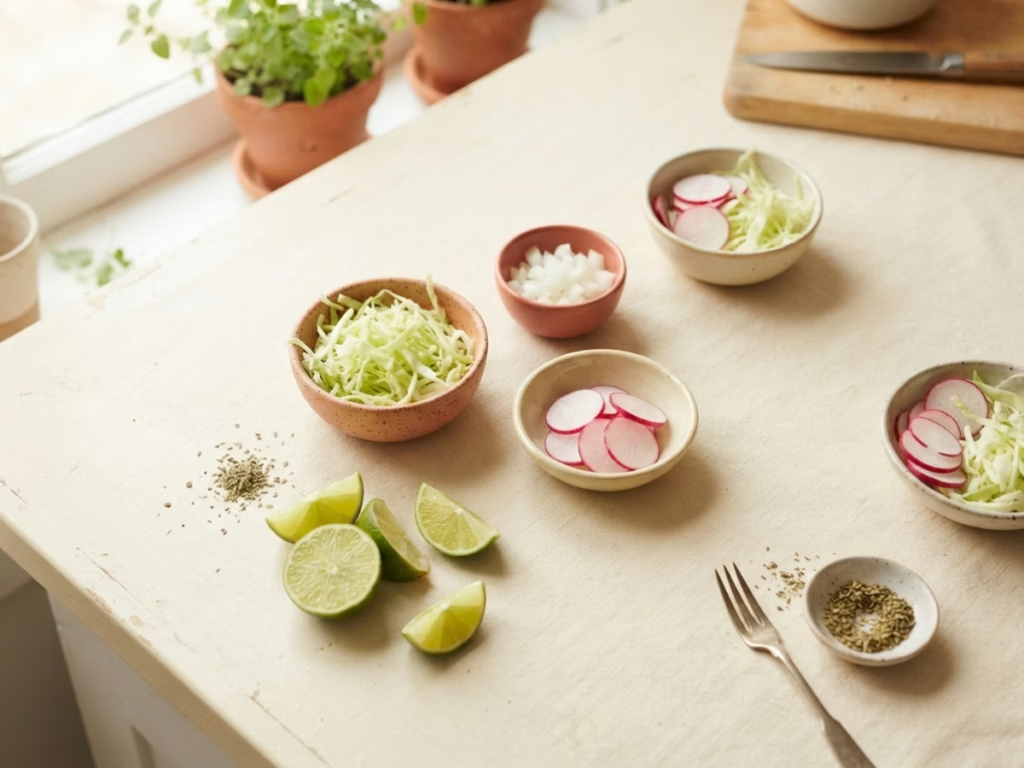
The classics: shredded cabbage, sliced radishes, diced white onion, dried oregano, dried chile flakes, lime wedges, and tostadas or tortilla chips on the side. Sliced avocado if you have it (and you should check, avocados have a narrower window than people think).
If you’ve got iceberg or romaine that’s a couple of days past peak, shred it fine and use it in place of cabbage. Nobody will know.
The soup itself is rich and deeply savory. The toppings are there for crunch, brightness, and acidity. You don’t need all of them, you need a few of them. Look at what’s already in the house and build from there.
This Is a Batch Meal. Make a Lot of It.
Pozole rojo reheats well. It reheats better than well, actually. The broth deepens overnight, the pork absorbs more of the chile, and by day two you’ve got something that tastes like it simmered for six hours when you’re only reheating it in five minutes.
Make a full pot. For a family of four, this runs about a dollar per serving at today’s grocery prices, probably less if you catch pork shoulder on sale or already have the chiles sitting in the back of the cabinet (we’ve all got the random chile we bought for one recipe and never touched again). Either way, it’s a fraction of what delivery costs for the same number of people. One pot, three meals’ worth, the second and third servings requiring zero effort.
If you’ve got more than your household can eat in three days, freeze the broth and pork separately from the hominy. The hominy gets mushy when frozen in the liquid. Keep them apart and the leftovers hold up for months.
The Pantidy Angle: Knowing What to Cook Before It Goes
If you’re looking at a pork shoulder that’s been in the fridge for two days and wondering what to do with it, that’s exactly the scenario pozole rojo was made for. The dish is built around long-simmer proteins and pantry staples, it’s practically designed for the “I have to use this TODAY” panic.
Pantidy works on iOS and Android and tracks expiration dates across your pantry, fridge, and freezer, so instead of doing this math in your head at 4pm, the app surfaces what needs to be used first. It matches your current inventory to recipes you’ve already saved, including ones you’ve clipped from social media or photographed from a family cookbook. If you’ve saved a pozole rojo recipe and you’ve got the ingredients on hand, Pantidy surfaces it when the pork is getting close. No guessing, no food dying quietly in the back of the fridge.
Try Pantidy, 14-day free trial. It’s $5 a month after that. Worth less than one forgotten pork shoulder.
Frequently Asked Questions
What dried chiles are best for pozole rojo?
Guajillo and ancho chiles are the most common base. Guajillos bring a tangy, slightly fruity heat; anchos add depth and a hint of dark chocolate. Pasilla chiles work well blended with either. Use what your grocery store carries, a combination is better than a single variety, but any of the three solo will still produce a genuinely good bowl.
Can I make pozole rojo without pork?
Yes. The chile-hominy broth is the structure of the dish, and it holds up with chicken thighs, bone-in chicken pieces, or even a lighter meat-reduced version built around extra hominy and beans. The long simmer is designed for a tough, collagen-rich cut, so if you switch proteins, adjust your timing accordingly, chicken thighs are done in 45 minutes, not two hours.
When does the hominy go in?
At the very end, about 5 minutes before you serve. Canned hominy is already fully cooked. It just needs to heat through. If it simmers for an hour in the broth it turns soft and loses the chew that makes pozole pozole. Five minutes is the number, and it’s forgiving, you can stretch it to ten if you need to.
How long does pozole rojo keep?
In the fridge, typically three to four days. In the freezer, up to three months varying, store the broth and pork separate from the hominy, which gets mushy when frozen in liquid. Reheat the broth and pork together, then add freshly rinsed canned hominy when you warm it up.
Is pozole rojo spicy?
Guajillo and ancho chiles are mild to medium. The heat level is more warm and savory than sharp. If you want more heat, add a dried chile de árbol or two to the soaking chiles, they’re small and very hot, so start with one. If you want less heat, stick to pure ancho, which is closer to a smoky poblano than a hot pepper.
Make It Tonight
Pull out whatever dried chiles are in the back of your pantry. If you don’t have any, pick up a bag of guajillos at the grocery store, they’re usually under a few dollars and they last for months. Get a can of hominy, a pork shoulder if the price is right, and a head of garlic.
Tonight, toast the chiles while the pork browns. Let everything simmer while you do whatever else needs doing. Add the hominy at the end. Set out whatever toppings are already in the house, lime, cabbage, onion, whatever’s there, and eat something that took about 20 minutes of actual work and tastes like you knew what you were doing all along.
That’s the whole trick. The pantry had dinner in it this whole time. Pozole rojo is about as close to a Mexican red pozole recipe as an easy pozole rojo gets. Pantry staples. One pot. No drama.
Food Waste Calculator
How much food are you throwing away?
The average household wastes about 30% of the food they buy. See what that costs you.
You’re throwing away about
$0
per year in wasted food
Pantry + Recipes
From "What's in the Fridge?" to Dinner in Minutes
Pantidy is a smart pantry app on iOS and Android that tracks what you have, flags what's expiring, and matches your inventory to recipes you've already saved.
- See every recipe you can make right now
- Filter for recipes that use expiring items first
- Check ingredient match percentages at a glance
- Add missing items to your shopping list in one tap