
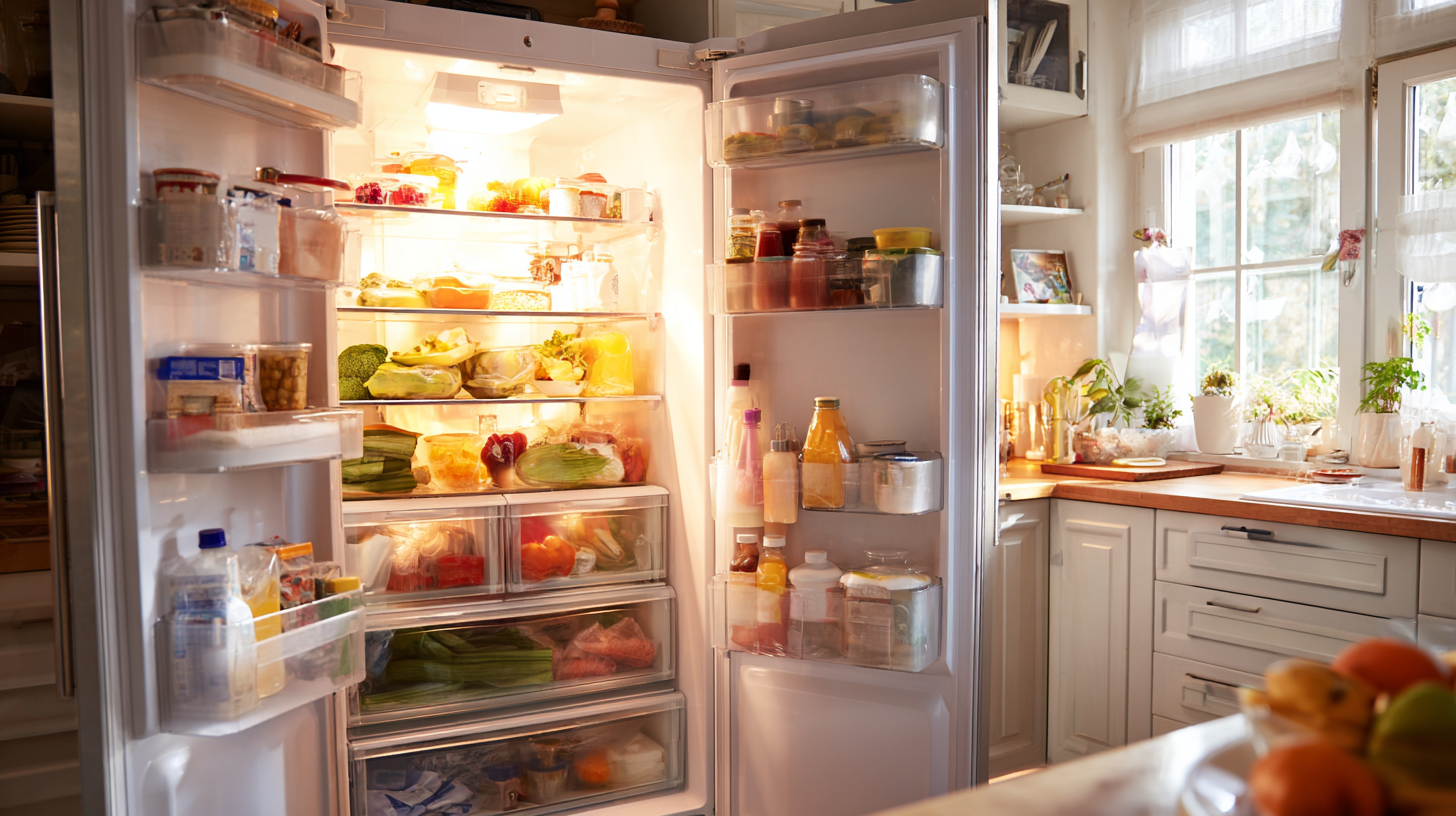
The shop your pantry challenge means using what you already own before buying more. Starting with a full inventory, then a short meal plan built around expiring items, then finishing opened packages first. Done right, it can recover $40–$60 in food value in a single week.
Your fridge is probably hiding $40 worth of food you’ve already forgotten about. The shop your pantry challenge is a structured way to find it, eat it, and skip at least one grocery run this week.
Here’s the three-step version that actually works.
Key Takeaways
- The average American wastes roughly $728 in food per year, per the EPA. A pantry challenge directly attacks that number.
- A pantry challenge works best when shopping is limited to fresh produce or true essentials, not eliminated entirely.
- Using opened and partial items first such as half-bags of crackers, open boxes of pasta, is one of the highest-yield tactics in any pantry challenge.
- FoodPrint frames the pantry challenge as a 4-week kitchen inventory clearance aimed at fully using pantry, freezer, and fridge staples.
- A small cash cap for supplemental grocery shopping keeps the challenge on track without requiring zero spending.
Step 1: Do the Full Inventory (This Is Where the Shop Your Pantry Challenge Starts)
Before you plan a single meal, pull everything forward. Fridge, freezer, cabinets. FoodPrint frames the pantry challenge as a full kitchen inventory clearance and that framing is right, because you cannot use what you cannot see.
Write down or photograph what’s there. A simple pantry inventory checklist works fine, even if it’s just the Notes app on your phone. Pantidy was also designed with this in mind if you’re looking for a more powerful tool. Pay special attention to:
- Anything expiring in the next five days
- Opened packages (half a sleeve of crackers, two-thirds of a bag of rice, that one lonely can of coconut milk waiting for its next Instagram recipe)
- Freezer items you put in there “for later” and then forgot entirely (we’ve all got a mystery bag of something from October)
This step takes fifteen minutes and is the only reason the rest of the challenge works.

Step 2: Build a Short Meal Plan Around What’s Expiring
Don’t plan seven dinners. Plan three or four, starting with whatever is going to transform into something inedible first. The spinach that’s been in the fridge since Saturday is dinner tonight, not compost on Thursday.
Pantry-challenge guides consistently recommend leaning on substitutions rather than running out to fill gaps. No penne? Use the rotini. Out of one salsa? Use the other one. The goal is meals that use what’s expiring, not meals that require a perfect ingredient list.
If you genuinely need a few things, Milk Glass Home recommends bringing cash for any supplemental shopping. A hard $20 or $30 limit keeps the “I’ll just grab a few things” trip from turning into a full $90 grocery run. Limit it to fresh produce or true essentials and call it done.

Step 3: Use Partials First. Always.
This is the move most people skip, and it’s where a surprising amount of money hides. Before you open a new box of anything, finish the open one. Half a bag of chips, three-quarters of a box of cereal, the tail end of a pasta shape you don’t love. GONE. Then you open the new one.
Enjoying this?
Eat more of what you buy.
One short email a week. Preservation tricks, ingredient deep-dives, and the small kitchen habits that can quietly save $700+ a year on food waste. Pinky promise: no spam.
Multiple pantry-challenge frameworks call this out specifically because opened items go stale, get shoved to the back, and quietly become trash. The back of your pantry is a graveyard of almost-finished things. Partials-first clears it.
Combined with the inventory and the short meal plan, this three-step approach can realistically recover $40 to $60 in food value in a single week, from a household that throws out roughly $728 per person per year without noticing.
Pantidy is a mobile app that tracks your pantry inventory, flags what’s expiring first, and allows you to build a meal plan, so this step happens automatically instead of requiring a fifteen-minute manual dig every week. Free to try for 14 days, then $5 a month.

Frequently Asked Questions
What exactly is a shop your pantry challenge?
A pantry challenge means using what you already own in your fridge, freezer, and cabinets before buying more groceries. The goal is to reduce food waste, save money, and clear out the forgotten items that pile up over time. Most guides run it for one to four weeks.
Do I have to stop grocery shopping entirely?
No, and trying to do so usually derails the challenge. The no spend pantry challenge is the extreme version. Most pantry-challenge frameworks recommend limiting shopping to fresh produce or genuine essentials, with a small cash cap to keep spending visible. Zero grocery spending is the extreme version, not the standard one.
How much money can a pantry challenge actually save?
The EPA estimates the average American wastes around $728 in food per year, or roughly $14 a week. For a family of four, the EPA’s numbers scale to roughly $3,000 a year, so a pantry challenge for families can recover proportionally more in a single week. Combined with the inventory and the short meal plan, this three-step approach can realistically recover a meaningful chunk of the roughly $728 per person per year the average American throws out, often in the first week alone
What should I use first in a pantry challenge?
Start with anything expiring in the next three to five days (there’s likely some produce or unused protein), then move to opened and partial packages before touching sealed staples. Pantry-challenge guides consistently flag opened items such as crackers, pasta, cereal, as the highest-waste category because they go stale and get forgotten.
Does Pantidy help with a pantry challenge?
Pantidy is an app on iOS and Android that logs your pantry, fridge, and freezer inventory and shows items color-coded by expiration date. It also matches your current inventory to recipes you’ve saved, so you can see what you can make right now without buying anything. It also supports building your own meal plan. There’s a 14-day free trial.
One thing to do today: open your fridge and pull everything forward. Pick the two items most likely to go bad before the weekend. Build tonight’s dinner around at least one of them. That’s the challenge started. Good luck!
Food Waste Calculator
How much food are you throwing away?
The average household wastes about 30% of the food they buy. See what that costs you.
You’re throwing away about
$0
per year in wasted food
Pantry + Recipes
From "What's in the Fridge?" to Dinner in Minutes
Pantidy is a smart pantry app on iOS and Android that tracks what you have, flags what's expiring, and matches your inventory to recipes you've already saved.
- See every recipe you can make right now
- Filter for recipes that use expiring items first
- Check ingredient match percentages at a glance
- Add missing items to your shopping list in one tap