
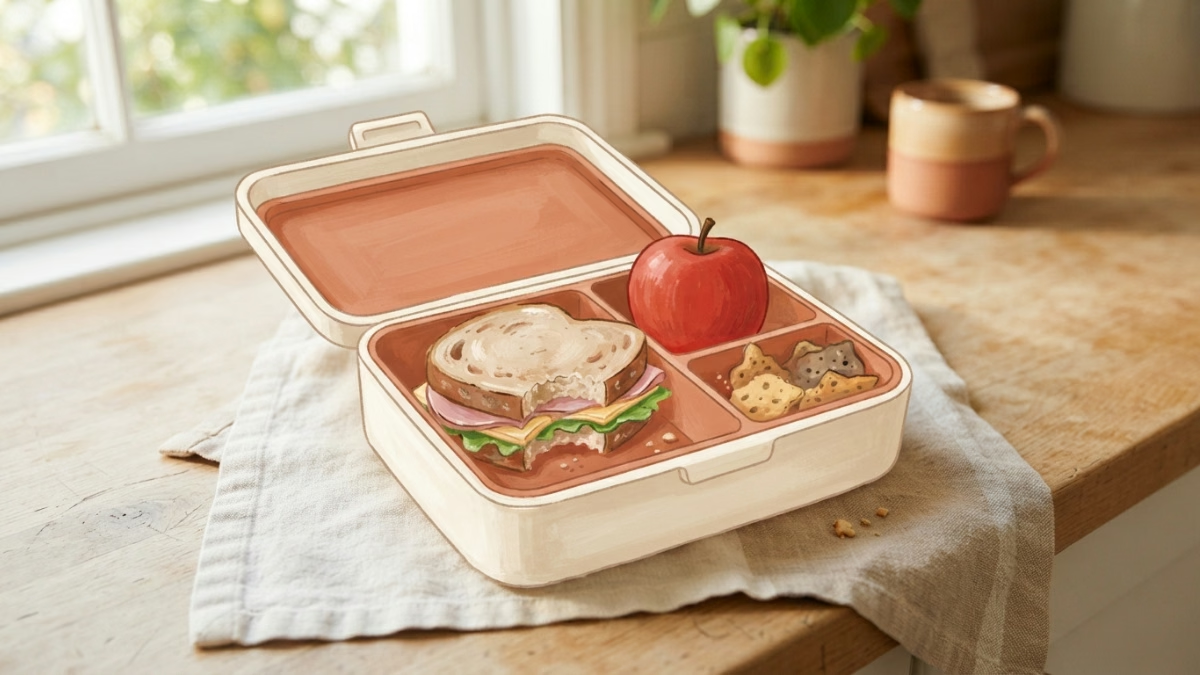
Open your kid’s lunchbox tonight and actually look at what came home. That uneaten half-sandwich, the untouched apple, the crackers rattling around at the bottom, that’s cash. A waste-free lunch approach can save around $10.50 per week per child, or roughly $397 per year per child, per Western Australia’s Waste Free Lunch Toolkit. The 5-minute audit below finds where your back to school lunch budget is actually leaking, which is almost never the recipe.
In this post:
- A waste-free lunch approach can save around $10.50 per week per child, or about $397 per year, according to Western Australia’s Waste Free Lunch Toolkit.
- The biggest back to school lunch budget leak is usually waste, not the cost of ingredients, auditing what comes home uneaten is more actionable than switching recipes.
- Building lunches from leftovers and pantry staples you already own, rather than shopping for dedicated lunch ingredients, cuts both spending and duplicate purchases.
- Checking your fridge, freezer, and pantry before writing a shopping list prevents buying items you already have, a common and invisible budget drain.
- Pantidy is an iOS and Android app that tracks expiration dates and shows what’s already in your pantry, so you can build lunches from what you own before buying more.
The Lunchbox Audit (It Takes 5 Minutes, Not a Sunday)
You don’t need a worksheet. You need three questions:
1. What came home uneaten this week?
Write it down. The half-eaten yogurt, the banana with one bite taken, the sandwich that “had too much mustard.” This is your waste map. If the same item comes home three days in a row, stop packing it. Simple.
2. What’s already in the fridge or pantry right now?
Before you buy a single lunch ingredient, check what you have. Spinach that’s two days from turning, leftover chicken from Tuesday, a block of cheddar that’s been quietly waiting. That’s at least two lunches.
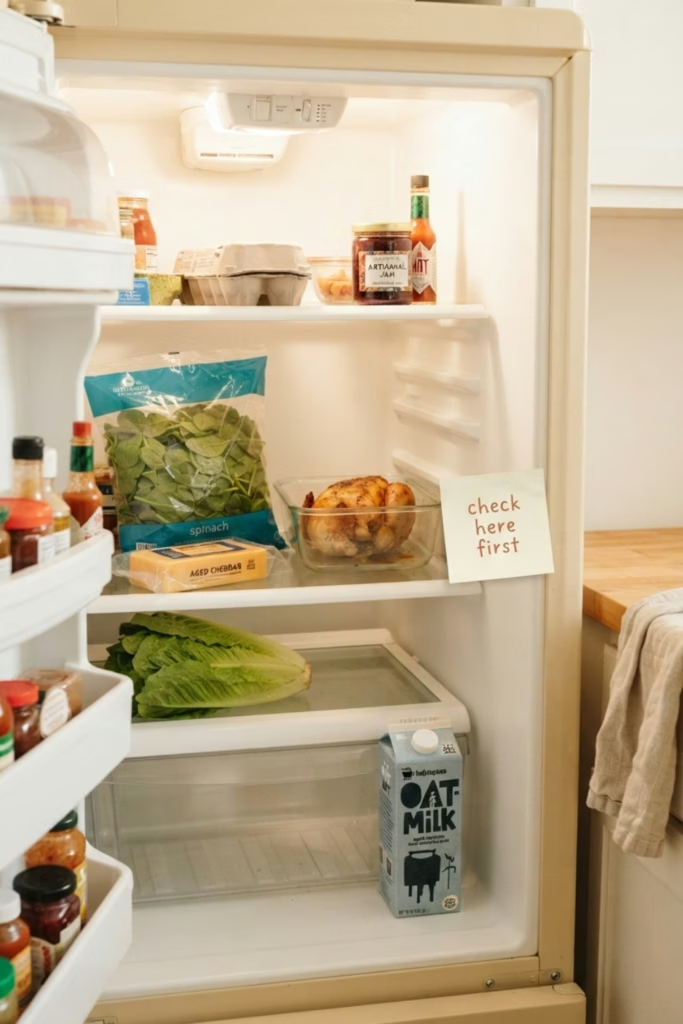
BBC reporting on packed-lunch savings found that checking your cupboards, fridge, and freezer before shopping is one of the most effective ways to avoid buying things you already own. We’ve all bought a second loaf of bread while a perfectly good one was at home.
3. What’s the gap?
Only buy what’s genuinely missing after steps 1 and 2. That’s your actual shopping list, not the aspirational one built from a recipe blog at 10pm.
Where Your Back-to-School Lunch Budget Actually Leaks
Most packed lunch savings don’t come from switching to cheaper ingredients. They come from using what you already paid for.
The savings aren’t hiding in a cheaper brand of crackers. They’re in the food that comes home and gets thrown out, and the duplicate ingredients bought because nobody checked first.

Pack lunches from dinner leftovers when you can. Last night’s roasted chicken becomes today’s wrap. Extra rice goes into a container with whatever’s in the produce drawer. No separate “lunch shopping” required.
Enjoying this?
Eat more of what you buy.
One short email a week. Preservation tricks, ingredient deep-dives, and the small kitchen habits that can quietly save $700+ a year on food waste. Pinky promise: no spam.
Pantidy tracks what’s already in your fridge and pantry on iOS and Android, flags what’s expiring soon, and matches your ingredients to recipes you’ve saved. So when you open the app before writing your shopping list, the answer to “do we have anything for lunches?” is already there. Try Pantidy, 14-day free trial.
If you want more on building meals from what’s already in the house, the 15-minute pantry sweep before school starts is a good next read.
Frequently Asked Questions
How much can a lunchbox audit actually save?
Research from Western Australia’s Waste Free Lunch Toolkit found that packing a waste-free lunchbox saves around $10.50 per week per child, or about $397.50 per year, per the Toolkit. That’s per child, for a household with two kids, the math gets interesting fast.
What does a lunchbox audit actually involve?
At its simplest: check what comes home uneaten, identify the repeat offenders, and stop packing them. Then check what you already own before buying anything new. Five minutes, no worksheet required (though a sticky note on the fridge works fine).
Should I buy special lunch ingredients or use what’s already in the house?
Use what’s already in the house first. Leftovers from dinner, pantry staples, produce that’s a few days from its end, these are your cheapest lunch ingredients because you’ve already paid for them. Shopping for dedicated “lunch food” is where budgets quietly inflate.
How do I stop buying things I already have?
Check your fridge, freezer, and pantry before every shopping trip, not from memory, but actually look. BBC coverage on packed-lunch savings specifically calls this out as one of the most effective ways to avoid duplicate purchases, per BBC. Pantidy’s inventory tracking does this automatically, flagging what you already have so you don’t come home with a second jar of peanut butter.
Does it matter when I pack the lunch?
Packing the night before and leaving it in the fridge reduces the morning chaos and means you’re making decisions when you’re not also trying to find one matching shoe. It’s not a statistic, it’s just true.
One Thing to Do Today
Tonight, open the lunchbox. Write down one thing that came home uneaten. Don’t pack it tomorrow. That’s the whole audit. The savings follow from there.
Food Waste Calculator
How much food are you throwing away?
The average household wastes about 30% of the food they buy. See what that costs you.
You’re throwing away about
$0
per year in wasted food
Pantry + Recipes
From "What's in the Fridge?" to Dinner in Minutes
Pantidy is a smart pantry app on iOS and Android that tracks what you have, flags what's expiring, and matches your inventory to recipes you've already saved.
- See every recipe you can make right now
- Filter for recipes that use expiring items first
- Check ingredient match percentages at a glance
- Add missing items to your shopping list in one tap