
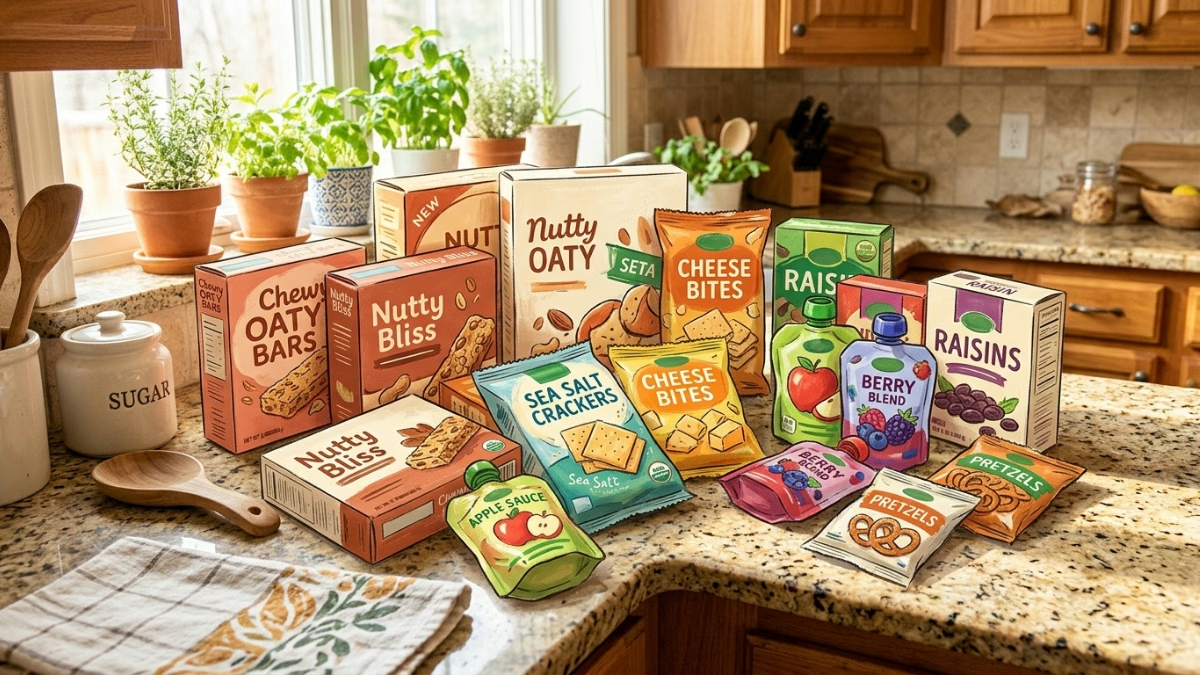
The real money leak in your back to school lunch budget probably isn’t the lunch itself. It’s the third box of granola bars sitting behind the first two you forgot you bought. A 10-minute lunchbox scan, done once, before your next grocery run, surfaces those duplicates and stops the bleed. No full pantry overhaul required.
Key Takeaways:
- Packed lunches cost about 3% more in 2025 than at the start of the 2024 school year, per Deloitte’s lunch-cost index.
- The average daily cost of a packed lunch hit $6.15 in 2025, according to Deloitte, meaning a 5-day week runs roughly $30 before you factor in duplicate snack buys.
- Grouping snacks by category and running a first-in, first-out system are the two highest-leverage moves for spotting pantry duplicates before you shop.
- Pantidy is an iOS and Android app that tracks pantry inventory with expiration dates and shows you what you already have before you write your next shopping list.
Why Your Back to School Lunch Budget Keeps Getting Squeezed
Packed lunches cost about 3% more in 2025 than at the start of the 2024 school year, and that rise was steeper than the year before when costs were essentially flat, per Deloitte. Deloitte’s lunch-cost index puts the average daily packed-lunch cost at $6.15, per Deloitte. Five days a week, that’s roughly $30. Over a school year, the number gets uncomfortable fast.
You can’t control inflation. You can control buying the same snack twice because no one checked the pantry first.
The 10-Minute Scan (Do This Before You Shop)
This is not a reorganization project. It’s a rescue mission into the forgotten lands behind the cereal boxes.
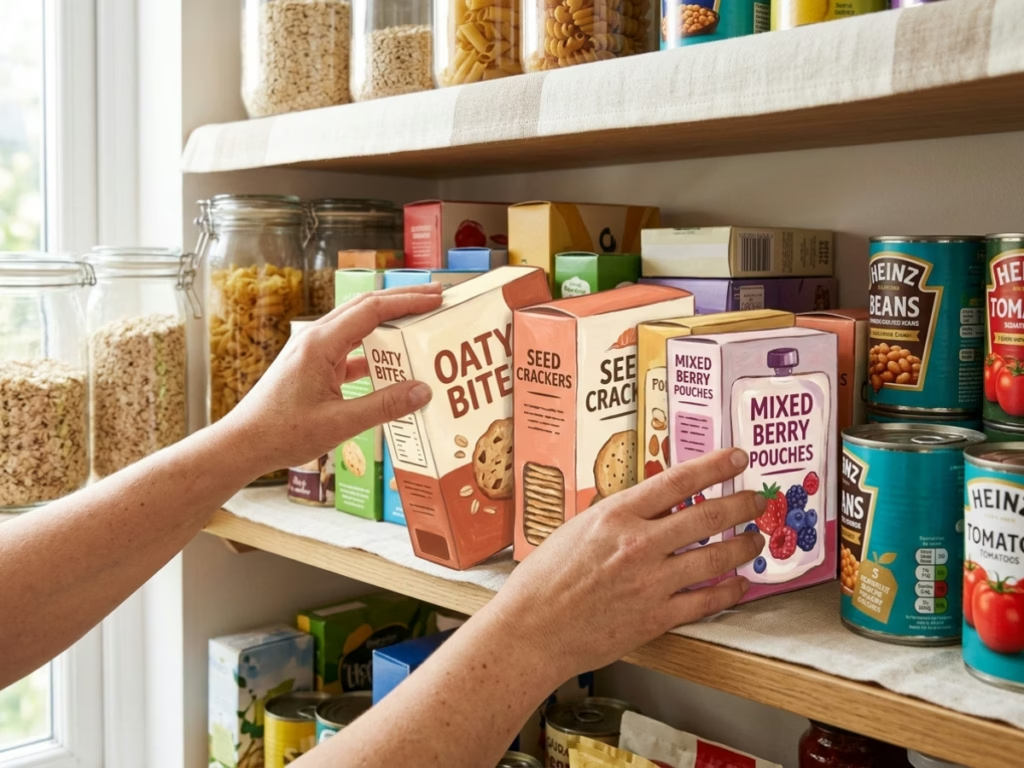
Step 1: Pull everything forward. Take every snack item out of the pantry section you buy from and set it on the counter. Yes, all of it. This takes four minutes and is the only way to actually see what you have.
Step 2: Group by type. Crackers together, fruit pouches together, granola bars together, cheese sticks together. You are looking for duplicates, near-duplicates, and the half-eaten box you forgot existed.
Step 3: Check dates. Move anything expiring in the next two weeks to the front. That’s your “use first” zone. (Everything else goes back in, oldest in front, first in, first out. Classic.)
Step 4: Write the actual list. Now write your shopping list. Not from memory. From what’s actually on the counter. This is the step most people skip, and it’s why they come home with yogurt they already had.
The whole thing takes 10 minutes. It prevents you from buying snacks you already own, which is a very specific and very common way the back to school lunch budget disappears quietly.
The Memory Problem
Buying from memory is optimized for recent events, not accurate inventory. You haven’t seen the apple sauce pouches in two weeks, so your brain flags them as gone. They are not gone. They are behind the bread.
Enjoying this?
Eat more of what you buy.
One short email a week. Preservation tricks, ingredient deep-dives, and the small kitchen habits that can quietly save $700+ a year on food waste. Pinky promise: no spam.
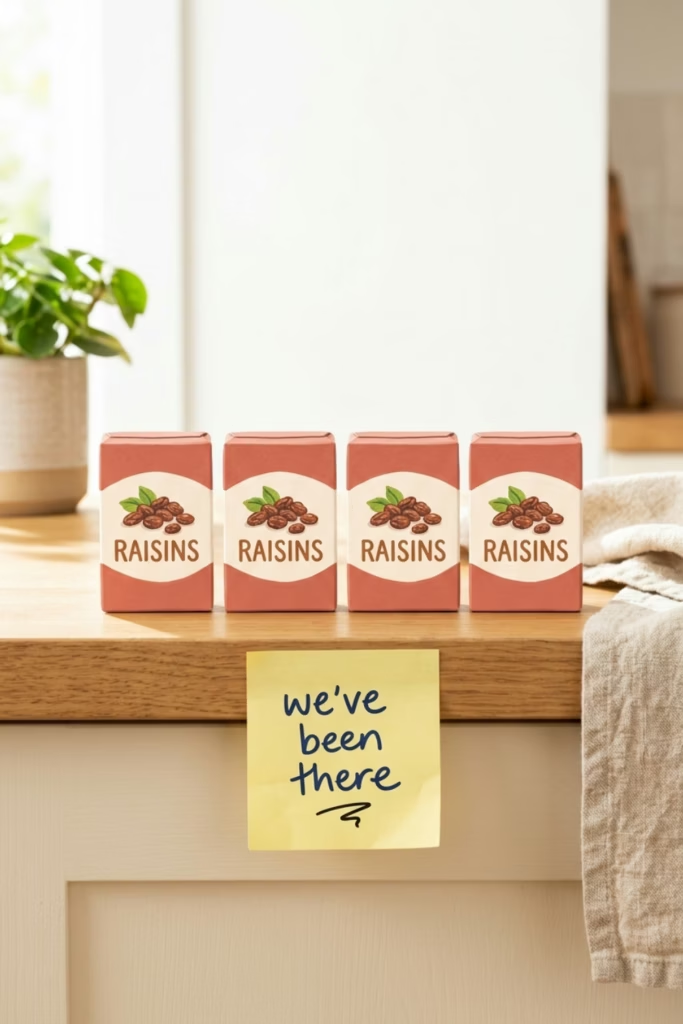
That’s how I ended up with two bags of raisins and a sincere question about my own decision-making.
Pantidy is a smart pantry app on iOS and Android that tracks your pantry inventory with expiration dates and shows you what you already have before you write your next list. So instead of shopping from a faulty mental model, you’re shopping from your actual kitchen.
Frequently Asked Questions
How much does a packed school lunch cost in 2025?
School lunch cost 2025 data from Deloitte shows the average daily packed lunch running $6.15, up about 3% from the start of the 2024 school year, per Deloitte. That’s roughly $30 a week per kid, before you factor in snacks you bought twice.
What’s the fastest way to stop buying duplicate snacks?
Pull every snack item out of the pantry before you shop, group by type, and write your list from what’s physically in front of you, not from memory. Memory is wrong more often than it feels like it is.
What is first-in, first-out and why does it matter for lunchboxes?
First-in, first-out means older items go to the front so they get used before newer ones. It keeps snacks from quietly expiring at the back of the shelf while you keep buying fresh replacements for them.
Can a pantry app actually help with a school lunch budget?
Pantidy tracks your pantry inventory with expiration dates and flags what’s already in the house, so you can cross-check before shopping instead of guessing. It’s available on iOS and Android with a 14-day free trial.
Should I count the cafeteria balance when budgeting packed lunches?
Only subtract a usable cafeteria balance when deciding how much cash to add to that account, not when calculating your packed-lunch budget separately, per this school lunch budgeting guide. Counting it in both places is how the numbers get muddy and spending goes invisible.
Today’s action: before you open a grocery app or walk into a store, spend 10 minutes pulling your snack shelf forward. Count what’s actually there. Then write your list. That one habit is worth more to your lunch budget than any coupon. Pair this scan with basic meal planning for school lunches and you’ll stop the duplicate-snack bleed for good.
Food Waste Calculator
How much food are you throwing away?
The average household wastes about 30% of the food they buy. See what that costs you.
You’re throwing away about
$0
per year in wasted food
Pantry + Recipes
From "What's in the Fridge?" to Dinner in Minutes
Pantidy is a smart pantry app on iOS and Android that tracks what you have, flags what's expiring, and matches your inventory to recipes you've already saved.
- See every recipe you can make right now
- Filter for recipes that use expiring items first
- Check ingredient match percentages at a glance
- Add missing items to your shopping list in one tap