
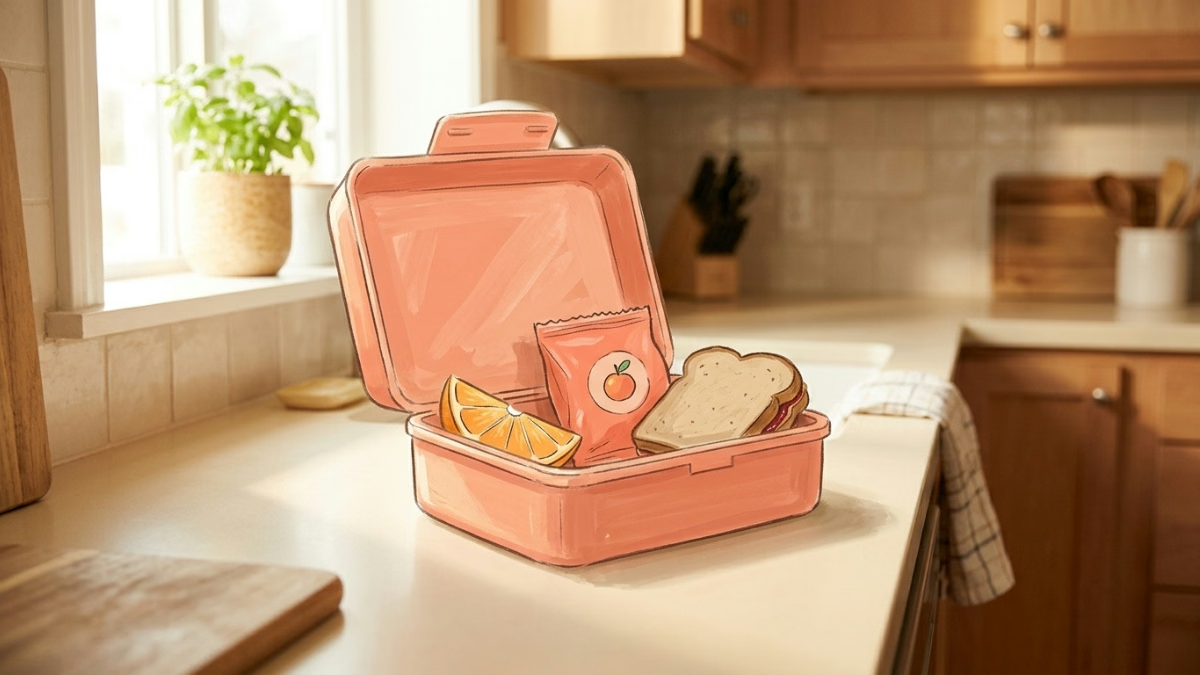
Open the lunchbox before you open a grocery app. That’s the whole audit, in one sentence. Ten minutes of checking what came home uneaten will show you exactly what you already have, what’s about to expire, and what your kid will never eat no matter how optimistically you pack it. Most families can skip a grocery trip entirely once they see what’s already there.
This is the back to school lunchbox organization step most families skip, and it’s the one that actually saves money.
Key Takeaways:
- Checking what comes home uneaten reveals whether a lunchbox waste problem is a packing problem or a portion problem, smaller, bite-size items often get eaten when larger portions don’t.
- Packing lunches the night before reduces morning-rush decisions and helps you pack only what a child will realistically eat.
- A one-time audit is useful; repeating it after changes lets you compare results and actually measure improvement.
- Pantidy tracks expiration dates and pantry inventory on iOS and Android, so you can see what lunchbox staples are about to expire before you add them to a shopping list.
What Back to School Lunchbox Organization Actually Looks Like (It’s Not a Nutrition Review)
This is not about swapping cookies for kale chips. A lunchbox audit is a quick inventory check: what came back untouched, what got demolished, and what’s been quietly multiplying in the snack drawer while you weren’t looking.
The goal is simple. Before you write a shopping list, you want to know:
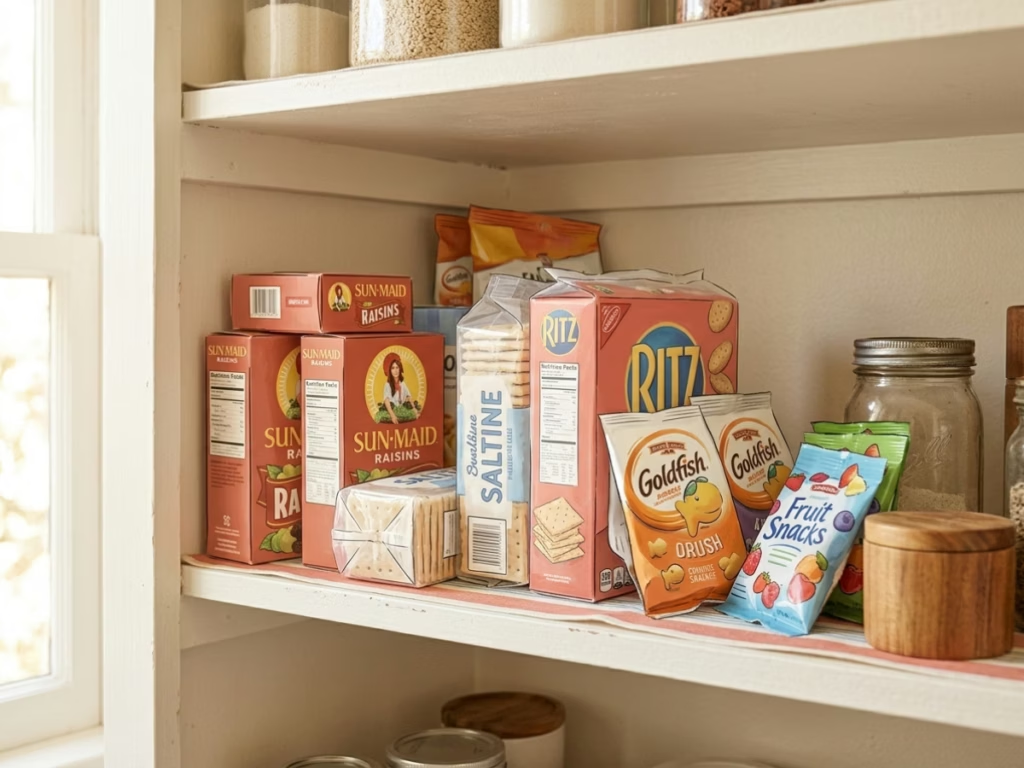
- Which items came home uneaten two or three days running (your kid is telling you something)
- Which perishables are already in the fridge and close to their window, yogurt, cheddar cheese, bread
- Which snacks you bought last week that you forgot about and nearly bought again
That third one is the grocery-trip-saver. Most households have two to three lunchbox staples hiding in the pantry right now. We’ve been there, multiple jars of peanut butter, acquired across three separate “I think we’re out” moments.
The 10-Minute Routine
Think of it as a school lunchbox checklist you run in real time, not a form you fill out.
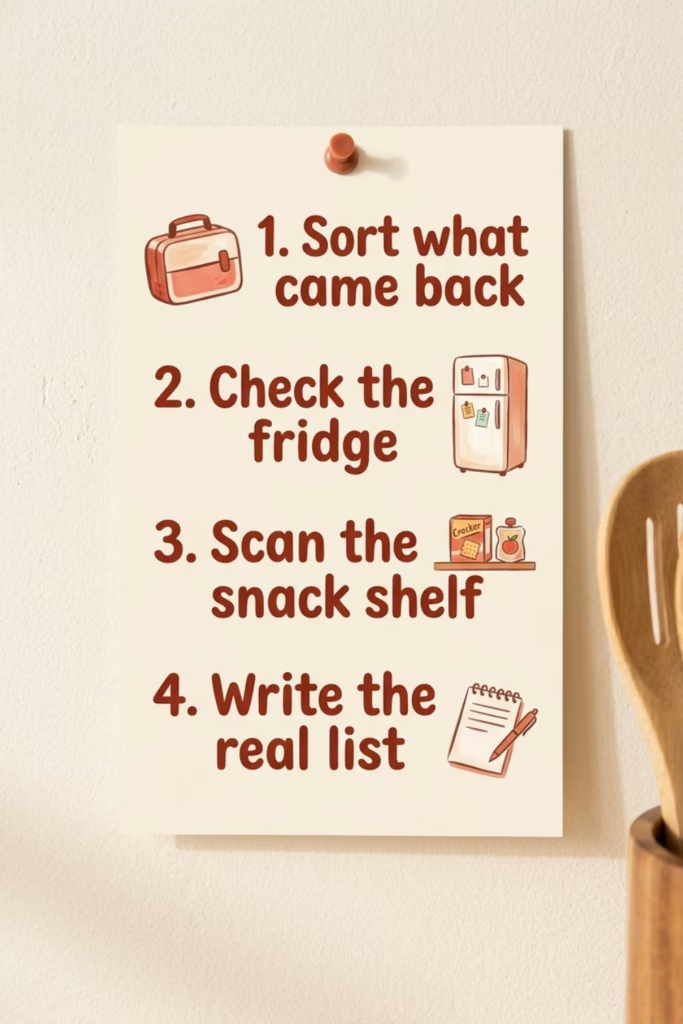
Minutes 1-3: Empty and sort. Pull everything out of the lunchbox. Separate what came back untouched from what was clearly eaten. Unopened packaged foods and whole uneaten fruit count separately, they’re not waste yet, they’re inventory.
Minutes 4-6: Check the fridge for lunchbox perishables. Pull forward anything that could go into a lunch this week. Spinach that’s three days from turning, eggs that need using, leftover chicken from Tuesday. If it’s there and it’s still good, it has a job.
Minutes 7-8: Scan the snack shelf. Before you add crackers, pouches, or fruit snacks to your list, look at what’s already there. This is the step that saves the trip.
Minutes 9-10: Write the real list. Only add what’s genuinely gone. Not what you think might be gone. What you confirmed is gone.
Pack the lunch tonight, not tomorrow morning. Morning you is operating on less sleep and more chaos. Night-before you makes better calls about portion size, which matters more than variety, since CHOC Health notes that half-eaten lunchboxes can reflect serving size, not picky eating. Smaller portions, bite-size pieces, less coming home untouched.
Enjoying this?
Eat more of what you buy.
One short email a week. Preservation tricks, ingredient deep-dives, and the small kitchen habits that can quietly save $700+ a year on food waste. Pinky promise: no spam.
If you want to make the audit even faster, Pantidy tracks your pantry inventory and flags what’s expiring soon on iOS and Android, so the “what’s about to go to waste in the fridge” step takes about 10 seconds instead of a full excavation. Try it free for 14 days.
The Repeat Is Where It Gets Useful
One audit tells you what’s happening today.

Repeating it after you make a change tells you whether the change worked. If smaller portions mean the lunchbox comes home empty, great, you’ve solved the waste problem and you’re buying less. If the same item keeps coming back untouched three days running, it’s time to retire it. The audit is the feedback loop. Without it, you’re just guessing and buying more crackers. (Good thing those last a while.)
For more on resetting your kitchen before the school year hits, the 15-minute pantry sweep is a good next step.
Frequently Asked Questions
How long does a lunchbox audit take?
Ten minutes, done the night before you shop. The core steps are: sort what came back uneaten, check the fridge for perishables with a short window, scan the snack shelf for duplicates, and write only what’s genuinely gone. Night-before timing matters, morning audits get skipped.
Does a lunchbox audit actually reduce food waste?
Repeating an audit after making changes is what makes it effective, a one-time check gives you a snapshot, but comparing results over two or three weeks shows whether your adjustments are working, per guidance from school waste audit research. The goal is a feedback loop, not a one-off fix.
Why does food keep coming home uneaten?
Portion size is the most common culprit. School lunchroom waste could also be caused by structural factors, instead of just what’s packed, that drive how much kids eat, such as how much time they have to eat. At home, packing smaller portions and bite-size pieces tends to get better results than adding more variety.
What should I do with food that keeps coming back untouched?
Pull it out of the lunchbox rotation and use it at home before it expires. Unopened packaged snacks go back on the snack shelf. Uneaten fruit or veg gets folded into dinner or an after-school snack. Nothing goes back into tomorrow’s lunch on autopilot, that’s how the apple goes from wasting on the counter to wasting in the lunchbox.
Can Pantidy help with back to school lunchbox organization?
Pantidy tracks your pantry inventory, flags expiring items, and shows you what you have before you build a shopping list. It runs on iOS and Android with a 14-day free trial. It won’t pack the lunch for you (maybe one day), but it will tell you the yogurt has two days left before you find out the hard way.
Today’s action: Open the lunchbox right now, pull out anything that came home uneaten, and check your fridge for one perishable that needs to be in tomorrow’s lunch before it’s too late. That’s the whole first audit. Do it tonight.
This is lunchbox organization for parents who have ten minutes and zero interest in a Pinterest system.
Food Waste Calculator
How much food are you throwing away?
The average household wastes about 30% of the food they buy. See what that costs you.
You’re throwing away about
$0
per year in wasted food
Pantry + Recipes
From "What's in the Fridge?" to Dinner in Minutes
Pantidy is a smart pantry app on iOS and Android that tracks what you have, flags what's expiring, and matches your inventory to recipes you've already saved.
- See every recipe you can make right now
- Filter for recipes that use expiring items first
- Check ingredient match percentages at a glance
- Add missing items to your shopping list in one tap