
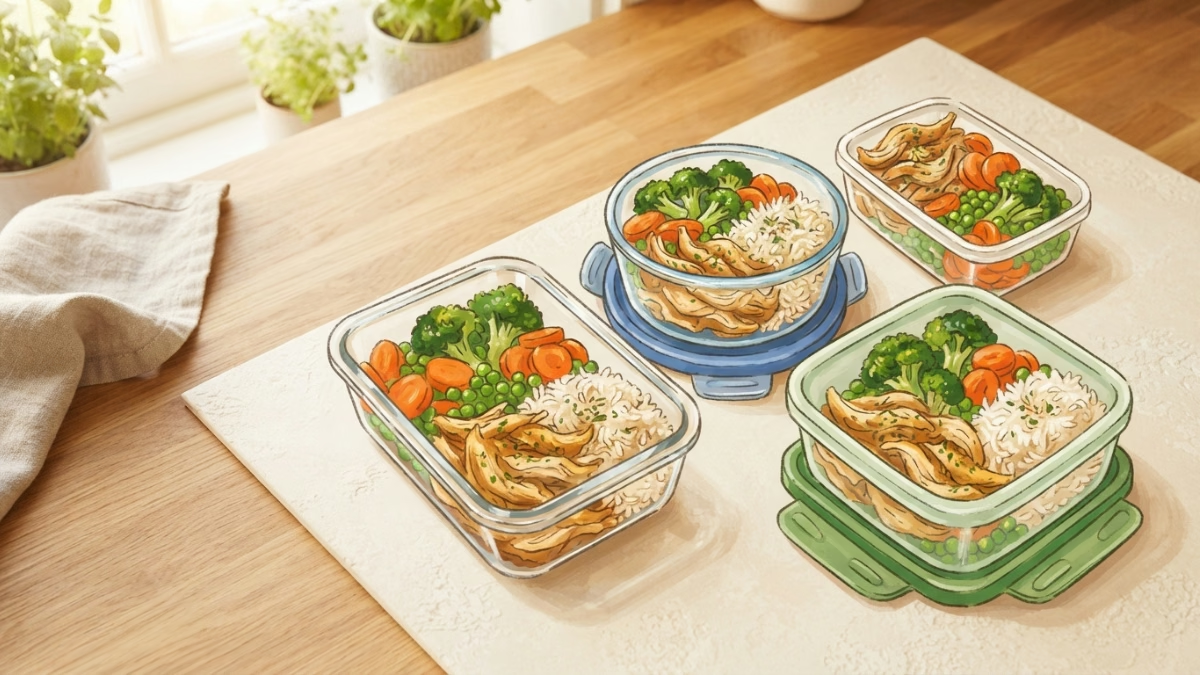
Batch cooking for school lunches means cooking proteins, grains, and vegetables in one session, as little as 20-30 minutes, then mixing and matching them into lunchboxes all week. It cuts daily morning prep to almost nothing and reduces food waste by using ingredients before they expire.
Batch cooking for school lunches doesn’t require a four-hour Sunday marathon or a color-coded binder. Start with 20 to 30 minutes, cook one or two proteins, and you’ve got the backbone of a full week of lunchboxes, per Dietetic Directions. That’s the whole system. Everything else is just assembly.
Key Takeaways:
- Starting with just 20-30 minutes of batch cooking one protein or grain is enough to build a consistent weekly routine, per dietitian guidance.
- Cooking plain proteins and grains separately as base components lets each family member build their own plate, shredded chicken becomes tacos, wraps, or stir-fry depending on who’s eating.
- Frozen mixed vegetables cut both chopping time and cost compared to fresh produce, making batch cooking accessible for time-strapped parents.
- Batch cooking children’s lunches ensures kids get a nutritious meal across multiple school days while saving parents time and money.
- Pantidy is available on iOS and Android and tracks what’s in your fridge, freezer, and pantry so you know exactly what to batch cook before anything expires.
Cook Components, Not Meals
The move that makes batch cooking actually stick is cooking components instead of finished dishes. Plain shredded chicken. A pot of rice. A bag of frozen mixed veg, steamed in six minutes. That’s it.
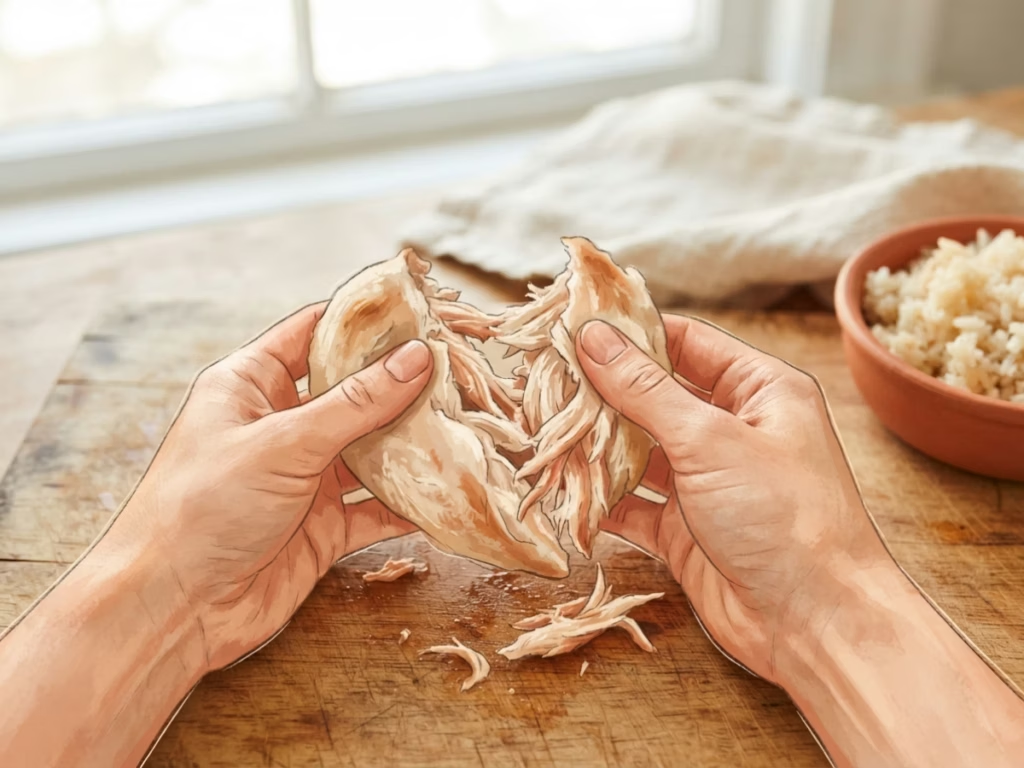
From there, the same chicken becomes a wrap for one kid, a pasta topper for another, and a stir-fry for whoever’s eating at 11pm and not admitting it. Cooking versatile base components and seasoning lightly during the batch, then adding sauces on the side, is what turns one session into five different lunches, per Plan Family Meals. No one feels like they’re eating the same thing twice.
Frozen mixed vegetables are underrated here. They’re cheaper than fresh, require zero chopping, and go straight from the bag into whatever you’re building, per Unifresher. If your produce drawer is a graveyard by Thursday, frozen veg is the fix.
If you’ve never batch cooked before, ignore every recipe that starts with “spend your Sunday.” Start smaller. Pick one thing: hard-boiled eggs, a batch of chicken breast, or a pot of rice. Set a timer for 25 minutes. That’s your whole session.
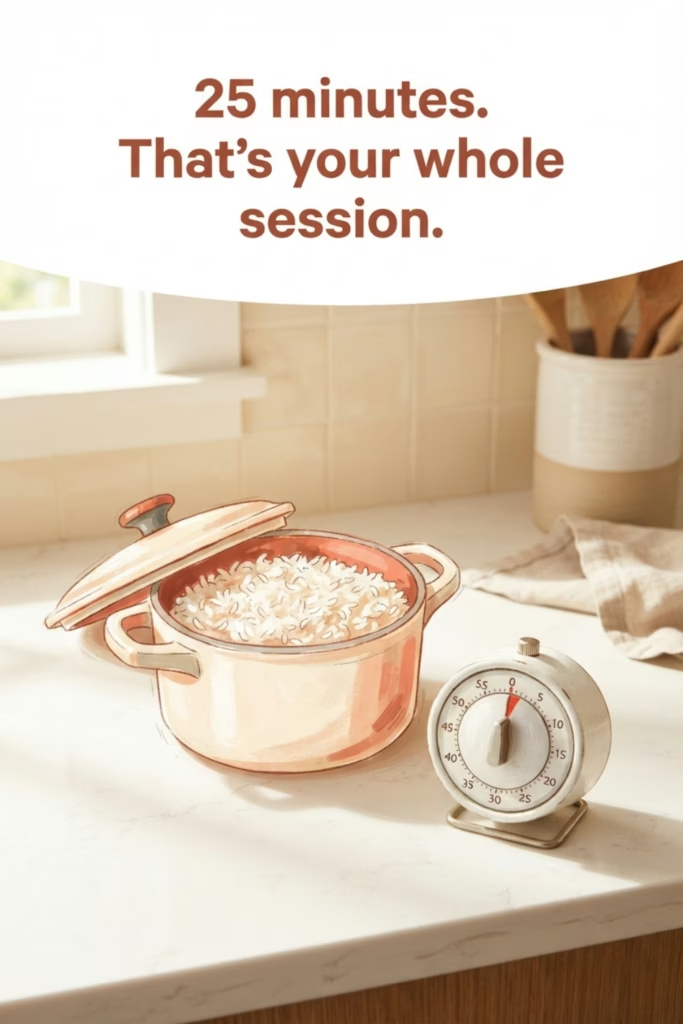
This isn’t a compromise, it’s the recommended starting point for beginners before scaling up to longer sessions, per Dietetic Directions. The goal is momentum, not perfection. One protein in the fridge on Sunday means Monday morning is already easier. That’s a win worth building on.
For more ideas on what to prep before school starts, the 1-hour lunchbox prep guide has a solid list of what actually holds up across the week.
Freezer-Friendly Batch Cooking for School Lunches
Batch cooking and freezing are the same habit. Cook more than you need this week, freeze the rest, and future-you gets lunch for free.
Enjoying this?
Eat more of what you buy.
One short email a week. Preservation tricks, ingredient deep-dives, and the small kitchen habits that can quietly save $700+ a year on food waste. Pinky promise: no spam.
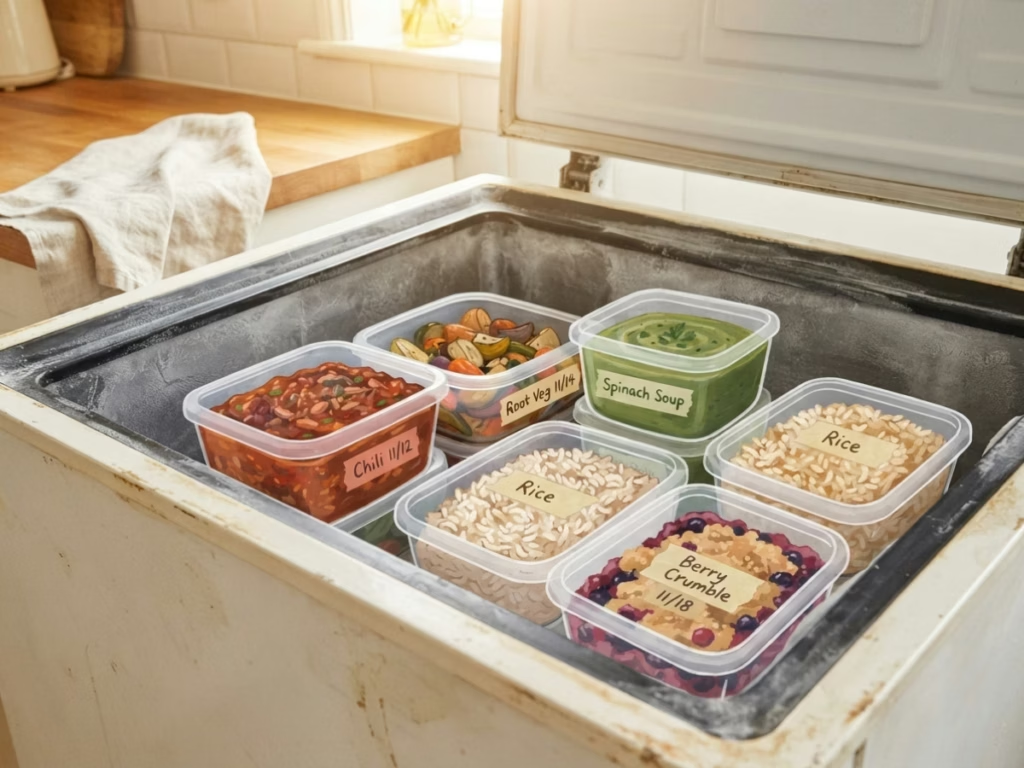
Pasta bakes reheat well in the microwave and work with whatever protein you have, per Unifresher, canned tuna, shredded chicken, or straight vegetables if that’s what’s left.
Pantidy runs on iOS and Android and tracks what’s in your freezer alongside your fridge and pantry, so instead of opening the freezer and staring into the void, you actually know what’s in there. No more mystery containers from three months ago.
Try Pantidy free for 14 days and let it tell you what to batch cook before anything expires.
Frequently Asked Questions
How long does batch-cooked chicken last in the fridge?
Cooked chicken breast keeps safely in the fridge for 3 to 4 days in a sealed container. If you’ve cooked more than you’ll use by Wednesday, freeze it the same day you cook it, don’t wait until it’s borderline.
Do I need to cook full meals to batch cook for school lunches?
No. Cooking plain components, a protein, a grain, a vegetable, separately and combining them at assembly time is actually more flexible and less wasteful than cooking full dishes. Kids can build their own plates, which also means fewer complaints at lunch (depending on the day).
Can I use beans or lentils instead of meat for batch cooking?
Yes, and it’s often cheaper. Beans, lentils, and chickpeas work as protein bases for wraps, pasta, and grain bowls, and they freeze well. They’re one of the easiest batch cook meals for kids to freeze and reheat. Using meat substitutes like these for batch cooking can save money because they’re often cheaper than traditional protein sources, per Hello Magazine
What are some easy freezer-friendly school lunch ideas for kids?
Pasta bakes are hard to beat. Cook pasta in bulk, mix with tomato sauce, add frozen mixed veg, top with cheese, bake, and portion into containers. They reheat in the microwave and you can vary them with whatever protein you have on hand.
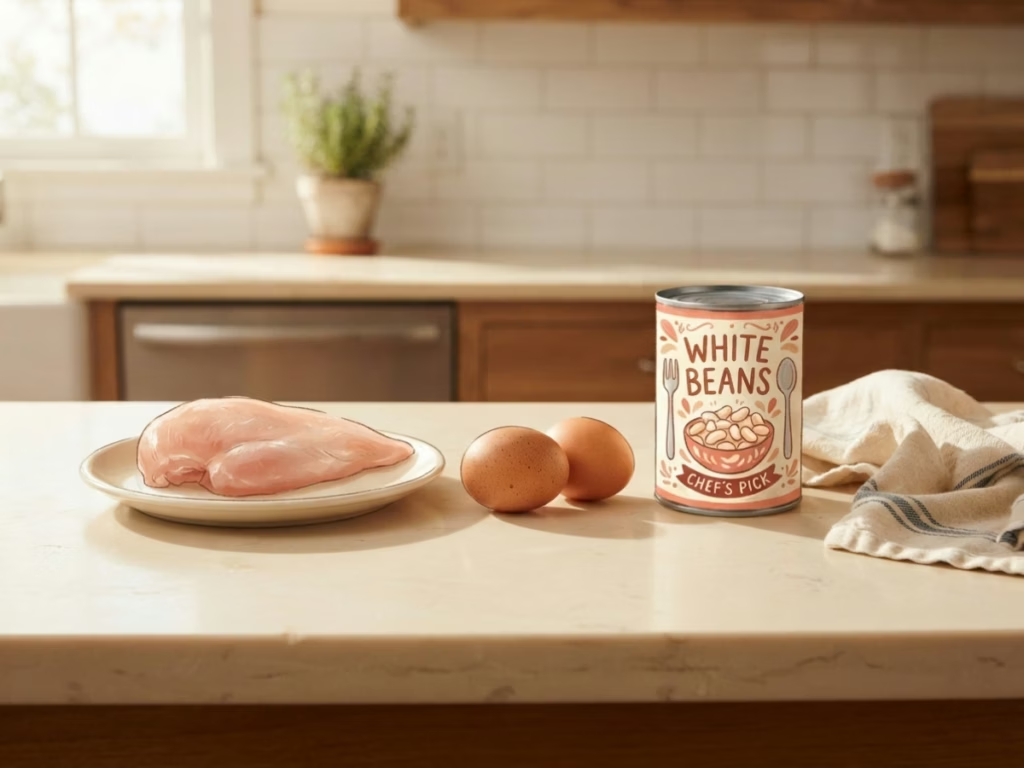
Today’s action: before you do anything else, pick one protein to cook this week, chicken, eggs, or a can of beans. That’s your batch. Twenty minutes, done. The rest of the week gets easier from there.
Food Waste Calculator
How much food are you throwing away?
The average household wastes about 30% of the food they buy. See what that costs you.
You’re throwing away about
$0
per year in wasted food
Pantry + Recipes
From "What's in the Fridge?" to Dinner in Minutes
Pantidy is a smart pantry app on iOS and Android that tracks what you have, flags what's expiring, and matches your inventory to recipes you've already saved.
- See every recipe you can make right now
- Filter for recipes that use expiring items first
- Check ingredient match percentages at a glance
- Add missing items to your shopping list in one tap