
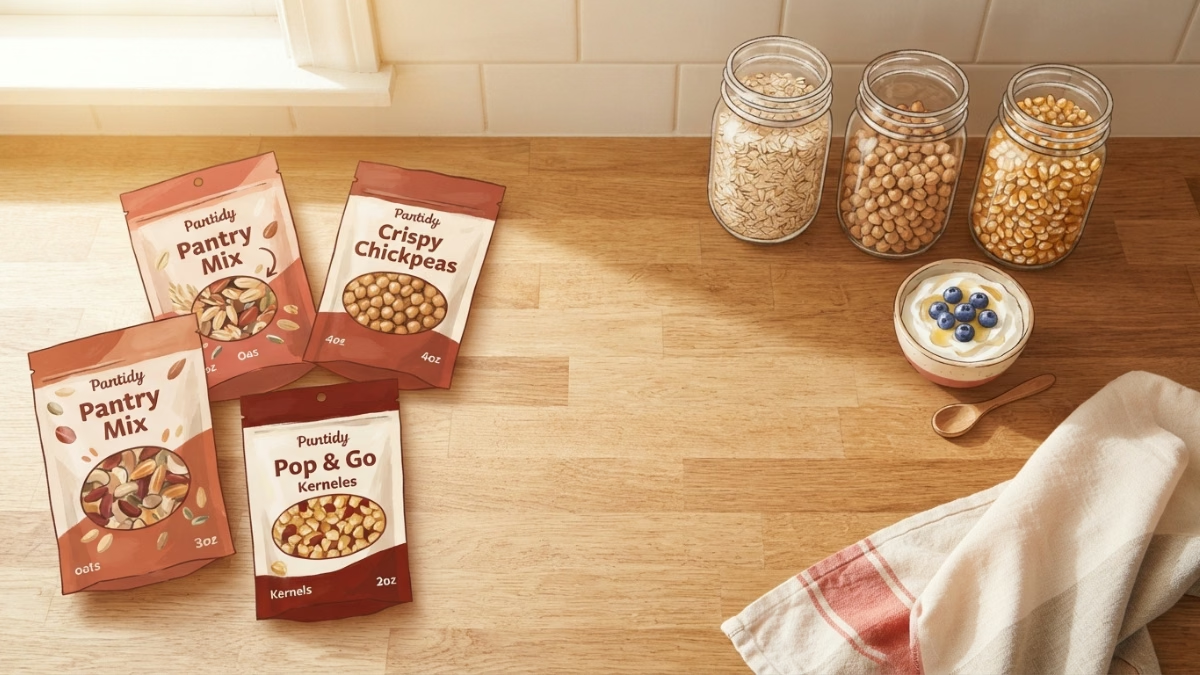
The cost of homemade vs store bought snacks is bigger than most people expect. Often 50% cheaper or more, depending on the item. Not slightly cheaper, often 50% cheaper or more, depending on the item. A 32-ounce tub of store-bought plain yogurt runs $3-$4; the same amount made at home from whole milk and a starter costs roughly half, per AOL. With the USDA projecting overall grocery prices up 3.1% in 2026, per AARP, the gap between packaged and homemade is only getting wider.
Key Takeaways:
- Store-bought plain yogurt costs roughly twice as much per ounce as homemade yogurt made from whole milk and a starter.
- The USDA projects overall grocery prices will rise 3.1% in 2026, with fresh vegetables up 7.7%, making bulk dry-good snacks a more stable budget choice than fresh-produce packs.
- Homemade dips and spreads made from raw ingredients typically yield significantly more volume at a fraction of the packaged price.
- Bulk pantry staples like oats, popcorn kernels, and dried chickpeas are largely insulated from the snack-category price hikes hitting packaged goods.
Where the Cost of Homemade vs Store-Bought Snacks Adds Up
The math works best on a few specific categories.
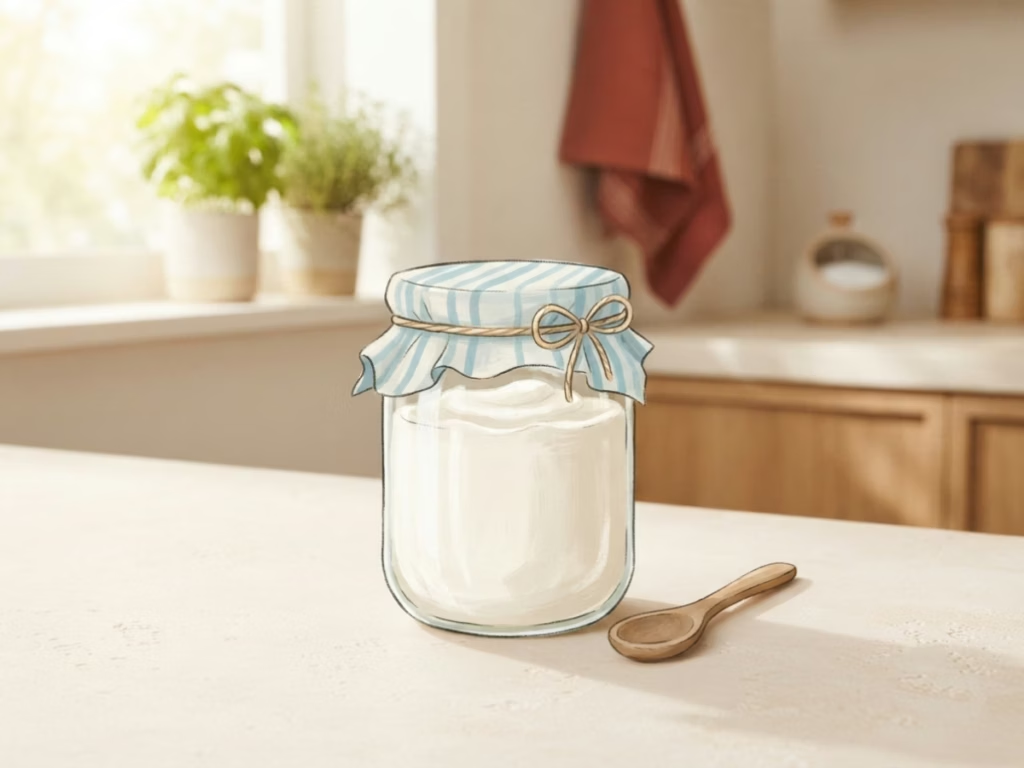
Yogurt is the clearest win. The store tub is priced for the container, the branding, and the convenience. Make it yourself and you’re paying for milk. That’s it.
Dips and spreads are where the “volume trap” lives. Store-bought guacamole and tahini dressing are priced per portion, not per ingredient. When you buy avocados and tahini in bulk, you get roughly double the volume for about half the cost. The packaging is what you’re actually paying for, and you’re throwing it away anyway.
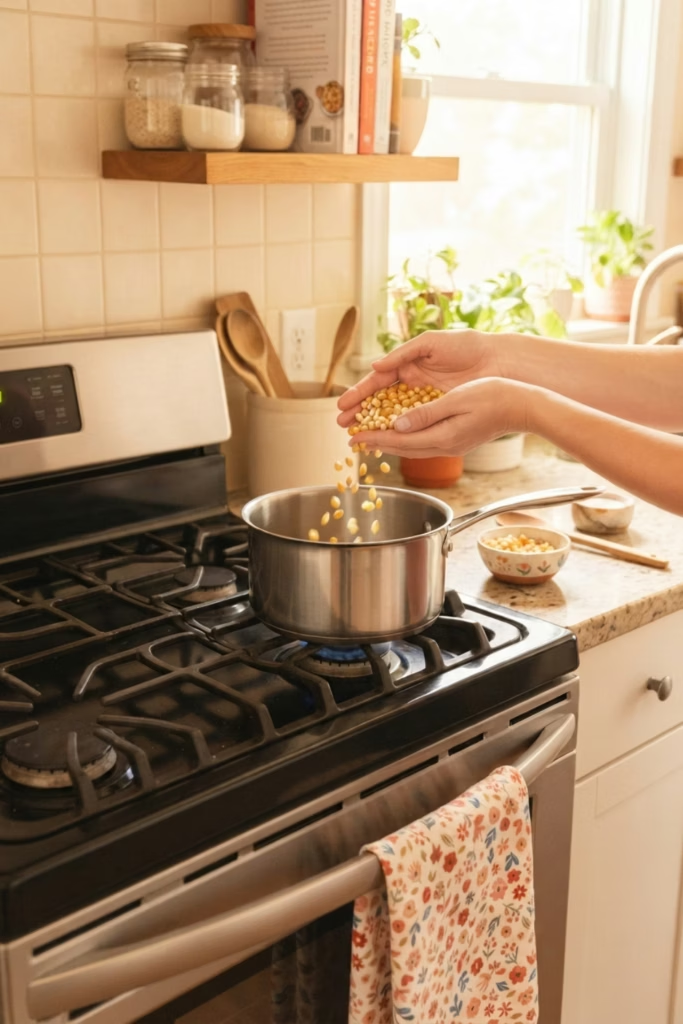
Popcorn is almost embarrassing. A bag of kernels costs a fraction of the microwave bags and makes more popcorn. The microwave bag is mostly air and marketing.
The trickier category is fresh-vegetable snacks, cut carrots, celery sticks, strawberries. Fresh vegetable prices at retail are projected to rise 7.7% in 2026, per USDA ERS, so the savings there are real but more volatile. Dry goods, oats, nuts, popcorn kernels, dried chickpeas, are your inflation hedge. They barely move.
The Honest Time Tradeoff
Yes, homemade takes more time than grabbing a Ziploc of crackers from a box. But most of these swaps are a few minutes of actual work, not a Sunday afternoon project.
Yogurt: set it up before bed, done by morning. Popcorn: three minutes on the stove. Roasted chickpeas: ten minutes of hands-on time, then the oven does the rest. These aren’t Iron Chef challenges. They’re things you can do while your coffee brews.
Enjoying this?
Eat more of what you buy.
One short email a week. Preservation tricks, ingredient deep-dives, and the small kitchen habits that can quietly save $700+ a year on food waste. Pinky promise: no spam.
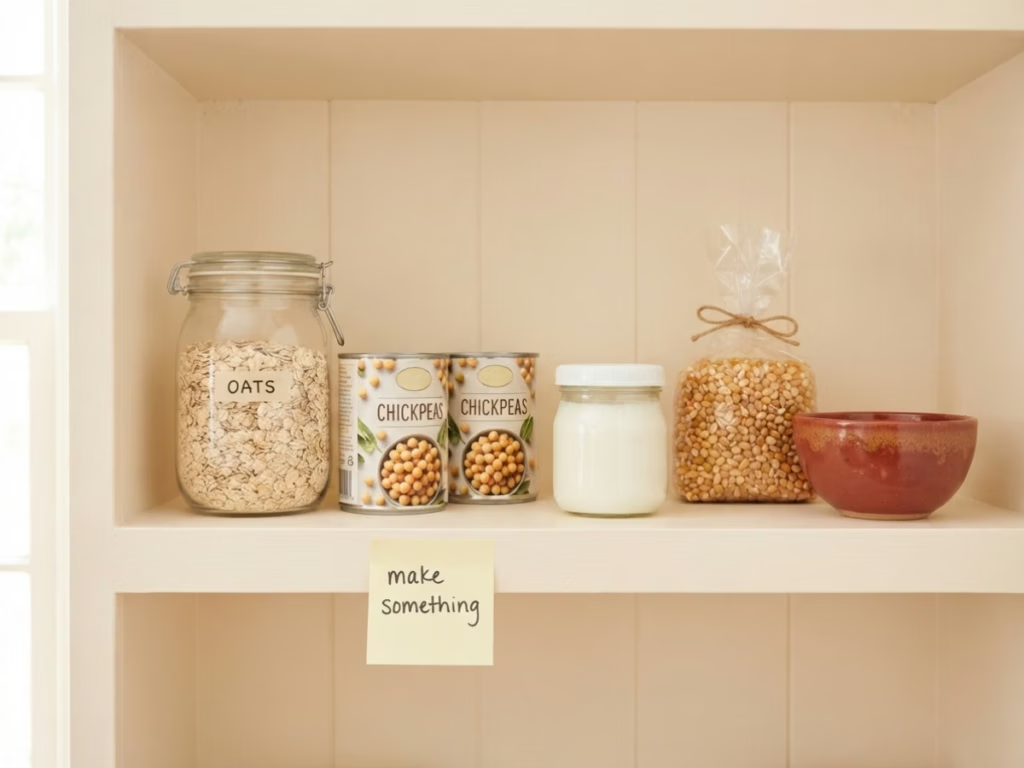
The place to start is your pantry. If you already have oats, you can make energy bites. If you have canned chickpeas, you can roast them. If you have yogurt that’s close to its date, you can blend it into a dip before it dies. The ingredients are probably already there, you just don’t know what you have.
That’s where Pantidy helps. It’s a smart pantry app on iOS and Android that tracks what’s in your fridge and pantry, flags what’s expiring, and shows you which of your saved recipes you can make right now. Instead of defaulting to a $4 snack pack because you didn’t know you had the ingredients for something better, you see the option. Try Pantidy, 14-day free trial.
Frequently Asked Questions
Are homemade snacks actually cheaper than store-bought?
The cost of homemade vs store bought snacks varies by category, but yogurt, dips, and popcorn consistently show 50% or greater savings. A 32-ounce tub of store-bought plain yogurt costs $3-$4, while homemade yogurt costs roughly half that amount, per AOL. Dips, spreads, and grain-based snacks show similar or larger gaps.
Which homemade snacks save the most money?
Yogurt, dips like guacamole, tahini-based dressings, and popcorn consistently show the biggest savings. Dry-good snacks (oats, nuts, popcorn kernels, chickpeas) are also insulated from the fresh-produce price volatility hitting grocery shelves in 2026.
Does inflation make homemade snacks more or less worth it in 2026?
More worth it, specifically for dry-good snacks. The USDA projects fresh vegetable prices rising 7.7% in 2026, per USDA ERS, which squeezes the savings on veggie-based snacks. But bulk pantry staples are largely stable, making them a smarter buy as packaged snack prices climb.
How do I know what homemade snacks I can make from what I already have?
That’s exactly what Pantidy tracks. The app shows your current pantry inventory with expiration dates and matches your ingredients to recipes you’ve saved, so you can see “I can make roasted chickpeas tonight” before you reach for a packaged alternative.
What are the cheapest homemade snacks for work or lunch boxes?
Popcorn, roasted chickpeas, and oat-based energy bites are consistently the cheapest homemade snacks for work and DIY lunch box snacks. Each costs well under $1 per serving when made from bulk pantry staples. Homemade yogurt cost per ounce also beats store-bought by roughly 50%, making it one of the better grab-and-go options if you prep it the night before.
One thing to do today: open your pantry and find one bulk ingredient you already own, oats, canned chickpeas, popcorn kernels, a can of beans. Look up one recipe that uses it as a snack. Make it this week instead of buying the packaged version. That’s the whole move.
Food Waste Calculator
How much food are you throwing away?
The average household wastes about 30% of the food they buy. See what that costs you.
You’re throwing away about
$0
per year in wasted food
Pantry + Recipes
From "What's in the Fridge?" to Dinner in Minutes
Pantidy is a smart pantry app on iOS and Android that tracks what you have, flags what's expiring, and matches your inventory to recipes you've already saved.
- See every recipe you can make right now
- Filter for recipes that use expiring items first
- Check ingredient match percentages at a glance
- Add missing items to your shopping list in one tap