
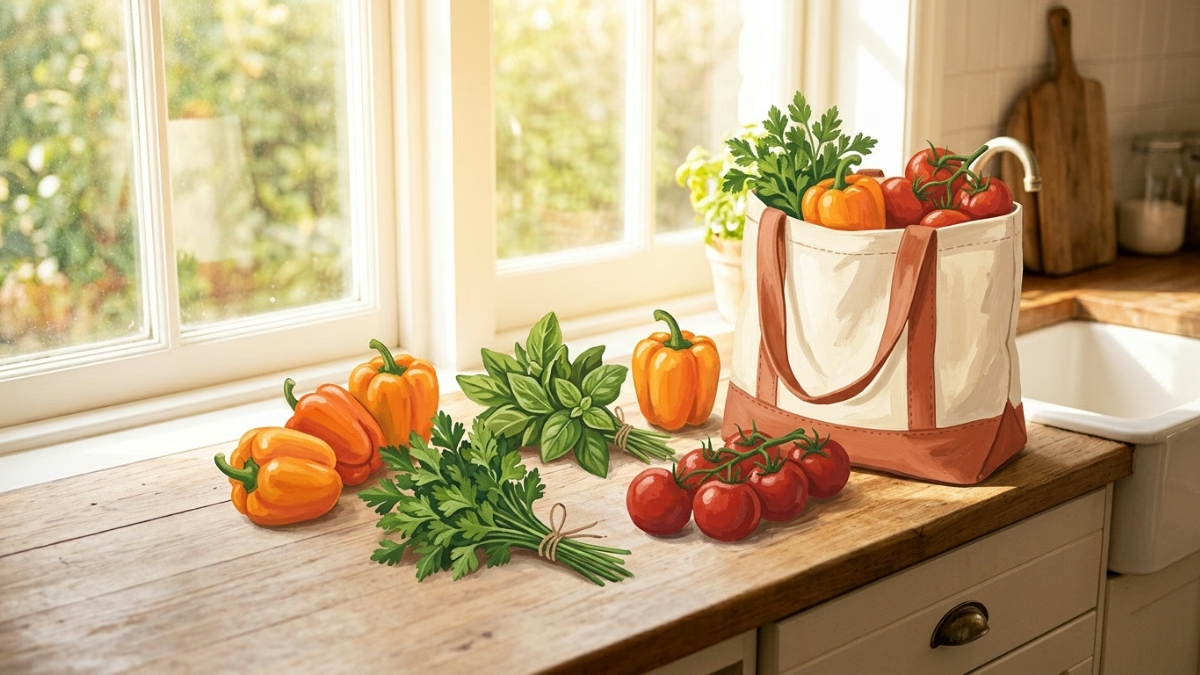
The average American spent over $760 on food that went uneaten in 2024, per ReFED. Not on restaurants. Not on takeout. On groceries they bought, brought home, and threw away. If you want to know how to save money on groceries, that number is where you start, because the biggest savings in your kitchen aren’t hiding in a coupon app or a store-brand swap. They’re in the food you’re already buying and not eating.
The fix isn’t a lifestyle overhaul. It’s a handful of specific habits, applied in the right order, that compound into real savings fast.
Key Takeaways:
- The average American spent over $760 on uneaten food in 2024, per ReFED, for a family of four, that’s a meaningful chunk of the grocery budget gone straight to the trash.
- Consumer food waste accounts for nearly 50% of all surplus food in the U.S., costing an estimated $259 billion annually, per ReFED.
- Produce, fresh meat and seafood, and prepared foods are the top waste categories at the retail level, the same categories where household waste is heaviest.
- A full pantry-and-fridge audit before every grocery trip prevents duplicate buying and surfaces food that already needs eating.
- Freezing food before it goes bad, not after, is the single highest-leverage storage habit for recovering grocery money.
The Real Way to Save Money on Groceries Isn’t Price. It’s Waste
There’s a version of frugality that feels like self-punishment. Generic brands only. No treats. Spreadsheet everything. That’s not what this is.
Consumer food waste accounts for almost 50% of all surplus food in the U.S., at a cost of $259 billion, per ReFED. A big chunk of that is uneaten groceries sitting in home refrigerators and pantries. Which means the most impactful thing most households can do to cut their grocery bill isn’t to buy cheaper food. It’s to actually eat the food they’re already buying.
The 19% of food available to consumers that goes to waste, per the UNEP Food Waste Index, isn’t coming from extravagant purchasing. It’s coming from a gap between what we plan to eat and what we actually get around to eating. Close that gap, and you save money without changing where you shop, what you buy, or how much you enjoy eating.
So: less moral lecture, more practical mechanics. Here’s what actually moves the number.
Do a Pantry Audit Before You Buy a Single Thing
The most expensive items in your kitchen aren’t the groceries you bought this week. They’re the ones you bought three weeks ago that are now quietly composting themselves in the back of the fridge, in the forgotten lands behind the ketchup and milk cartons.
Before you write your next shopping list, do a full audit. Pull everything forward in the fridge. Open the pantry and actually look at what’s there. Make a quick note of what needs to be eaten in the next few days.

This step catches two different money leaks at once.
The first is duplicate buying. Buying something you already have is one of the most common invisible drains on a grocery budget. You’re pretty sure you’re out of olive oil. You buy olive oil. You get home and there’s an almost-full bottle you forgot about. Now not only do you have twice as much olive oil, but also a pantry that’s harder to manage than it was yesterday. This happens because most people shop from memory, and memory is optimized for recent experience, not accurate inventory. A quick visual sweep before you shop breaks that loop.
The second leak is expiring food you didn’t know you had. If you find spinach that’s two days from making itself a smoothie, or chicken breast you thawed and forgot about, those are tonight’s dinner, not tomorrow’s trash.
The practical goal: cook at least one meal entirely from what’s already in your fridge, freezer, or pantry before your next grocery run. Most households have enough for one or two full meals hiding in there. That’s real money recovered before you’ve spent a dollar.
Buy What You’ll Eat, Not What You Aspire to Eat
Here’s the honest version of grocery planning that doesn’t get said enough: most food waste starts at the store, not at the fridge.
We buy the kale because we mean to eat salads this week. We buy the fresh herbs because the recipe looked good on a Tuesday evening. We buy the second bag of potatoes because they were on sale and we vaguely remember someone saying potatoes keep forever (they don’t, not once they’ve been washed or stored somewhere too warm). And then the week happens, the kale wilts, the herbs turn to mush, and the potatoes sprout something concerning.
The fix is planning around reality, not aspiration. Before you shop, ask: what will I actually cook this week, on the actual days I cook, given how tired I usually am on Wednesday? Build your list around that. Then cross-check it against your pantry audit so you’re only buying what you’re genuinely missing.
Retail data reinforces this at the category level. Produce, fresh meat and seafood, and prepared foods are where waste is heaviest, these are the categories where aspirational buying hits hardest and where planning pays off most, per ReFED’s retail analysis. Buying a $7 piece of salmon you have a specific plan to cook Thursday is a good purchase. Buying it because you’re hoping you’ll feel like fish this week is a $7 gamble with bad odds.
Set Up Your Fridge to Show You What Needs Eating
Your fridge is probably organized around convenience, not urgency. The stuff you grab most often is in front. The stuff you bought two weeks ago is in the back. That’s a recipe for passive waste, food that dies quietly while you’re eating the stuff in front of it.
Two changes make an outsized difference.
Temperature first. The FDA recommends 40°F or below for your fridge and 0°F for your freezer. A fridge running warm is spoiling your food faster than it needs to. An inexpensive thermometer costs a few dollars and pays for itself the first week. Check it once, adjust if needed, then forget about it.
A dedicated “use first” zone second. Pick one shelf or one clear container in your fridge. Everything that needs to be eaten in the next three days goes there, leftovers, the half-used can of yogurt or sour cream, the ground beef you just thawed, the lettuce that’s starting to look a little tired.
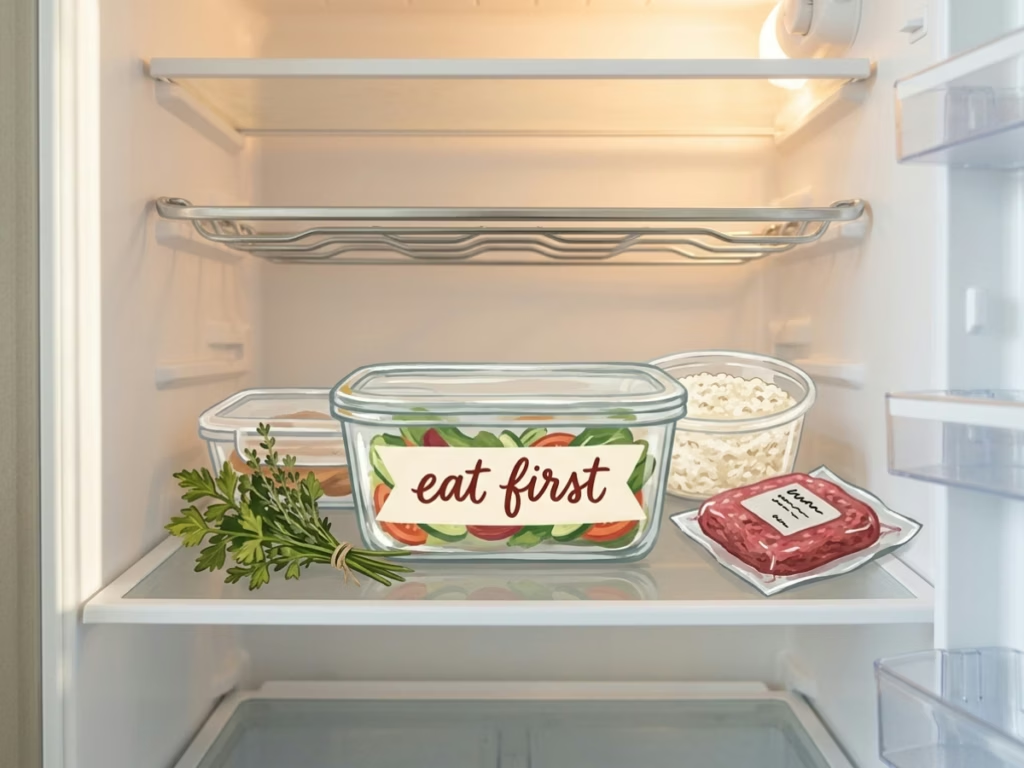
When you open the fridge at 6pm running on empty and three hours of meetings, your eye goes there first. You eat the thing that needed eating. Nobody throws out anything.
It’s a small physical intervention that replaces a mental one. You don’t have to remember what’s about to go bad. The fridge is telling you.
For a deeper look at how your crisper drawer affects what you throw away (and how much it costs), the numbers are genuinely surprising.
The Freezer Is a Pause Button, Not a Last Resort
Most people treat the freezer as where food goes to die slowly instead of quickly. Something’s about to go bad, in it goes, and then it lives there until it’s unrecognizable and gets thrown out anyway. That’s not the freezer’s fault. That’s the wrong mental model.
The freezer is a pause button. Use it before things go bad, not after.
Enjoying this?
Eat more of what you buy.
One short email a week. Preservation tricks, ingredient deep-dives, and the small kitchen habits that can quietly save $700+ a year on food waste. Pinky promise: no spam.

Bread going stale? Freeze it now, it comes out fine for toast and sandwiches. Milk you won’t finish before the date? Freeze it (we listen and we don’t judge, though after a month it’s best kept for baking and cooking rather than drinking straight). Bananas going spotty? Into the freezer they go, perfect for baking later. Fresh herbs left over from one recipe with no plan for the rest? Freeze them in olive oil in an ice cube tray. Two minutes of work, months of usable herbs, and a genuinely useful upgrade to your weeknight cooking.
A few things most people don’t realize freeze well: cooked rice, cooked beans, tomato paste in tablespoon portions, butter, bacon, and most cooked leftovers. When in doubt, the answer is almost always yes.
The habit that changes everything: before every grocery run, spend two minutes scanning your fridge for anything that won’t survive the week. Freeze what you can. You’re not saving it from going bad, you’re buying it a few more weeks.
Meal Planning That Actually Works for Real Kitchens
The version of meal planning that gets written about most, seven dinners planned on Sunday, perfectly executed all week, is a fantasy designed for people with no unpredictable Tuesday evenings. That’s not a meal plan. That’s a project.
A functional meal plan for a real household looks like this: you know what you’re cooking for the next three or four days, you’ve matched those meals to what you already have, and you’ve identified two or three things you actually need to buy. Done.
The key move is planning around what’s about to expire, not around what sounds good. What’s going to die first? That’s dinner one and dinner two. The mushrooms you bought on Saturday, the broccoli that’s starting to yellow slightly, the eggs that are technically still fine but have been in there longer than you’d like to admit, those get eaten first. The canned goods and the frozen stuff can wait.
This approach also changes how you shop, which is where the grocery savings get compounding. Instead of building a list from scratch based on what sounds appealing, you’re filling in gaps around a foundation of what you already own. Your list gets shorter. Your bill gets lower. And the food you already bought actually gets eaten.
Pantidy, available on iOS and Android, handles this loop automatically, it tracks what you have, flags what’s expiring soonest, and matches your current inventory to recipes you’ve already saved, so you can see at a glance what to cook before something goes bad. Try it free for 14 days.
The Produce Problem (And the Specific Fixes That Work)
Produce is where most of the money goes, because it has the shortest window and the most counterintuitive storage rules. Buying a bunch of bananas or a bag of strawberries or a ripe avocado without a specific plan to eat it in the next day or two is basically renting it from the grocery store, and you don’t get a refund.
A few fixes that are worth internalizing:
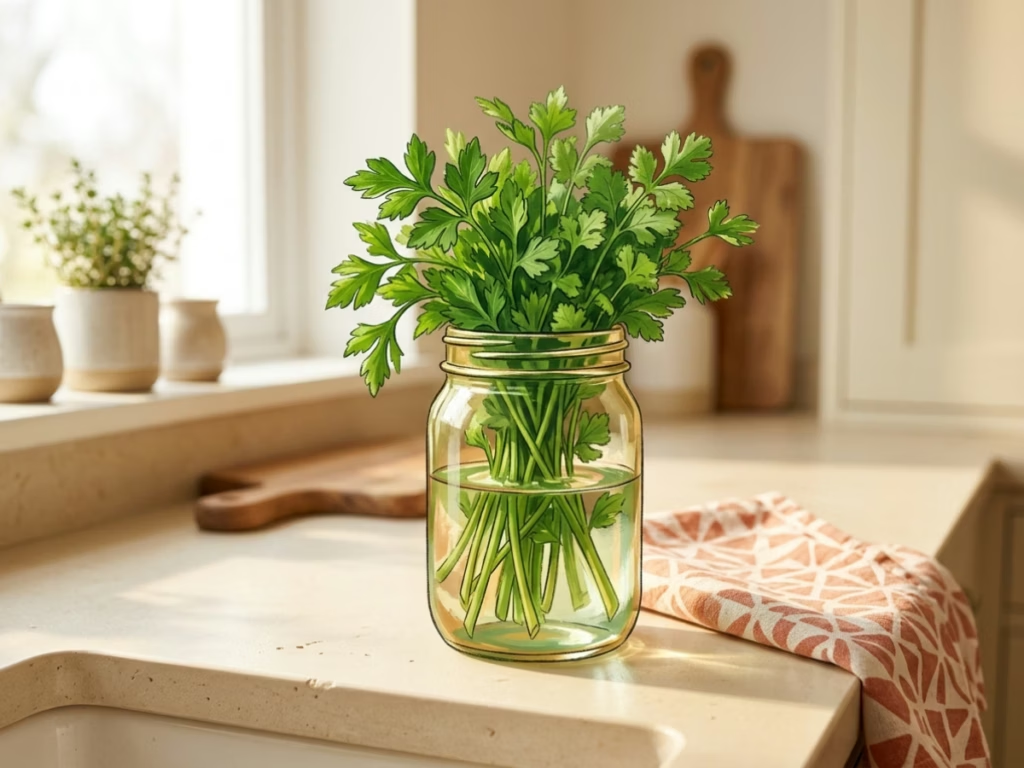
Herbs in water. Treat fresh herbs like cut flowers. Trim the stems, stand them in a glass of water, refrigerate (basil is the exception, it stays happier at room temperature). Parsley and cilantro stored this way often last two to three weeks, rather than the usual four or five days in a bag. That’s a meaningful extension on something that normally dies before the week is out.
Greens in a dry container. Moisture is what kills bagged greens. Dry them after washing, store with a paper towel to absorb excess, and they survive significantly longer. That bag of spinach that usually turns to slime by midweek makes it to the weekend. Check the full spinach shelf-life guide if you want the specifics on how to store it.
Tomatoes off the counter, once ripe. Most people know unripe tomatoes go on the counter. Fewer know that once they’re ripe, they last longer in the fridge, flavor fades slightly, but you’ll actually eat them instead of watching them go soft over three days.
Garlic out of the fridge. Garlic keeps longest at room temperature in a dry, ventilated spot. The fridge actually shortens its life. This is one of those correct storage conditions that feels backwards until it isn’t.
These aren’t hacks. They’re just how these specific foods actually behave. Most people don’t know them, which makes them surprisingly useful conversation material. Results may vary at dinner parties.
Frequently Asked Questions
How much money does the average American waste on food per year?
The average American spent over $760 on food that went uneaten in 2024, per ReFED. For a family of four, that figure scales into the thousands, real money that’s leaving the grocery budget without a meal to show for it.
What’s the single most effective way to reduce grocery spending through less waste?
Buy based on a realistic plan, not aspirational intentions. Most household food waste starts at the store, produce bought without a specific meal in mind, fresh meat purchased because it was on sale, herbs grabbed for one recipe with nothing to do with the rest. Planning two to three dinners around what you already have before you shop is the highest-leverage habit most households can build.
Which foods are most worth focusing on to cut food waste?
Produce, fresh meat and seafood, and prepared foods account for the heaviest waste at both the retail and household level, per ReFED. These are also the most perishable and the most expensive per unit, which makes them the highest-value targets for better planning and faster use.
Does the freezer actually help, or does food just die there instead?
It helps, if you use it proactively. The mistake is treating the freezer as a last resort, food goes in when it’s already on the edge, and then it sits there forever. The better habit: freeze things before they go bad, not after. Bread, milk, cooked rice, beans, bananas, herbs in oil, and most cooked leftovers all freeze well and come out usable.
Can an app actually help reduce food waste, or is it just more to manage?
Pantidy tracks your pantry inventory on iOS and Android, flags what’s expiring first, and matches your current ingredients to recipes you’ve already saved, so you’re not relying on memory to know what needs eating. It also logs what you throw out, so you can see the actual dollar cost of your waste over time. There’s a 14-day free trial; after that it’s $5 a month.
One Thing to Do Right Now
Open your fridge. Pull everything to the front so you can actually see it. Find the three things most likely to go bad in the next two or three days. Write them down.
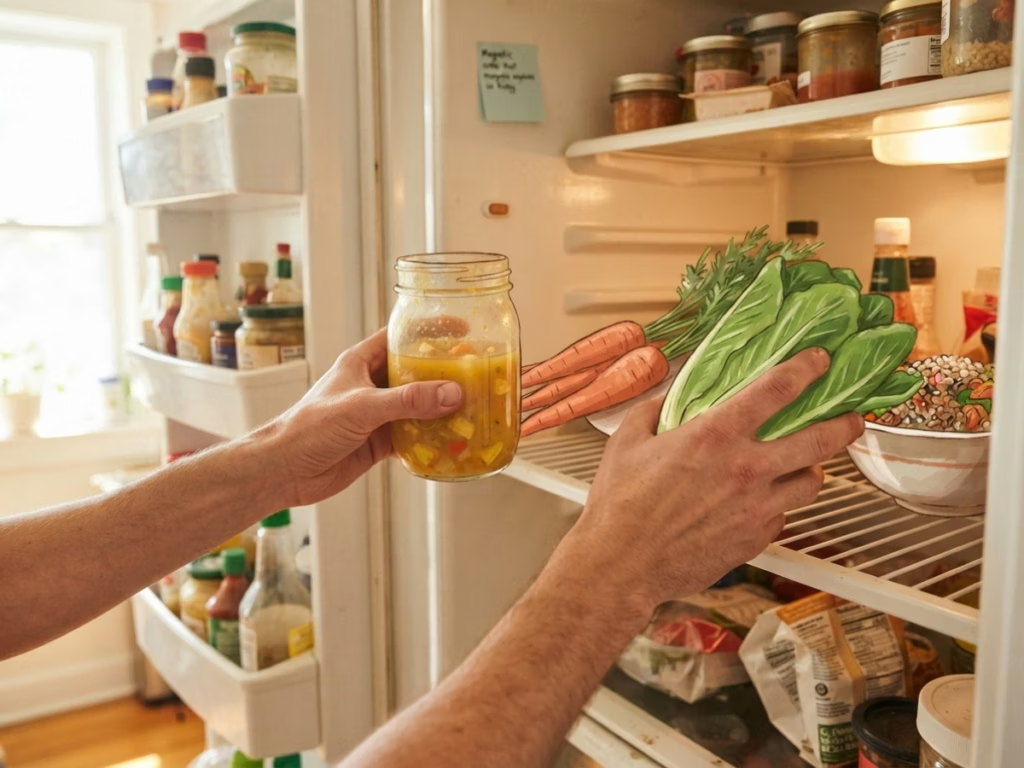
Build tonight’s dinner or tomorrow’s lunch around at least one of them.
That’s the whole habit. One audit, one meal, one item that makes it to your plate instead of your trash. Do that consistently, and the $760 a year starts shrinking fast, without changing stores, without clipping a single coupon, without giving up anything you actually want to eat.
The money is already in your fridge. It just needs to be eaten before it isn’t.
Food Waste Calculator
How much food are you throwing away?
The average household wastes about 30% of the food they buy. See what that costs you.
You’re throwing away about
$0
per year in wasted food
Pantry + Recipes
From "What's in the Fridge?" to Dinner in Minutes
Pantidy is a smart pantry app on iOS and Android that tracks what you have, flags what's expiring, and matches your inventory to recipes you've already saved.
- See every recipe you can make right now
- Filter for recipes that use expiring items first
- Check ingredient match percentages at a glance
- Add missing items to your shopping list in one tap