
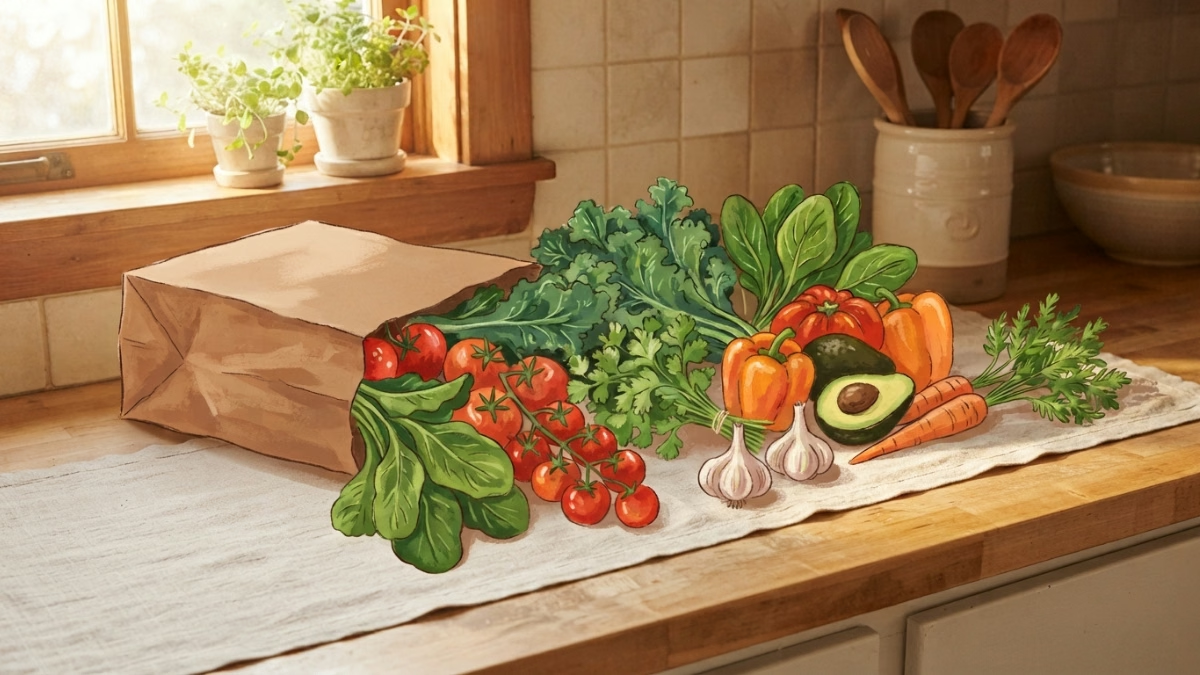
You hauled a beautiful bag of produce home from the farmers market. By Thursday, half of it is changing colors. The fix isn’t a better fridge, it’s knowing that different produce needs completely different treatment, and mixing them up is what kills everything fast.
Here’s how to store farmers market produce so it actually survives the week.
Key Takeaways:
- Leafy greens last significantly longer when stored unwashed in a sealed container or bag with a paper towel to absorb excess moisture.
- Most fruits release ethylene gas, which speeds spoilage in nearby vegetables, store fruit and vegetables separately.
- Herbs like basil, cilantro, and scallions stay fresh longer when stored upright in a jar with a small amount of water, like cut flowers.
- Potatoes and onions should never be refrigerated or stored together, each needs a cool, dark, well-ventilated spot.
- Pantidy tracks expiration dates and tells you what to use first, available on iOS and Android with a 14-day free trial.
How to Store Farmers Market Produce: Start With Separation
The single most important move: keep fruit away from vegetables. Most fruit releases ethylene gas, which accelerates ripening and spoilage in nearby produce, per Food52. A ripe peach sitting next to your salad greens is quietly murdering them. Separate the two as soon as you unpack.
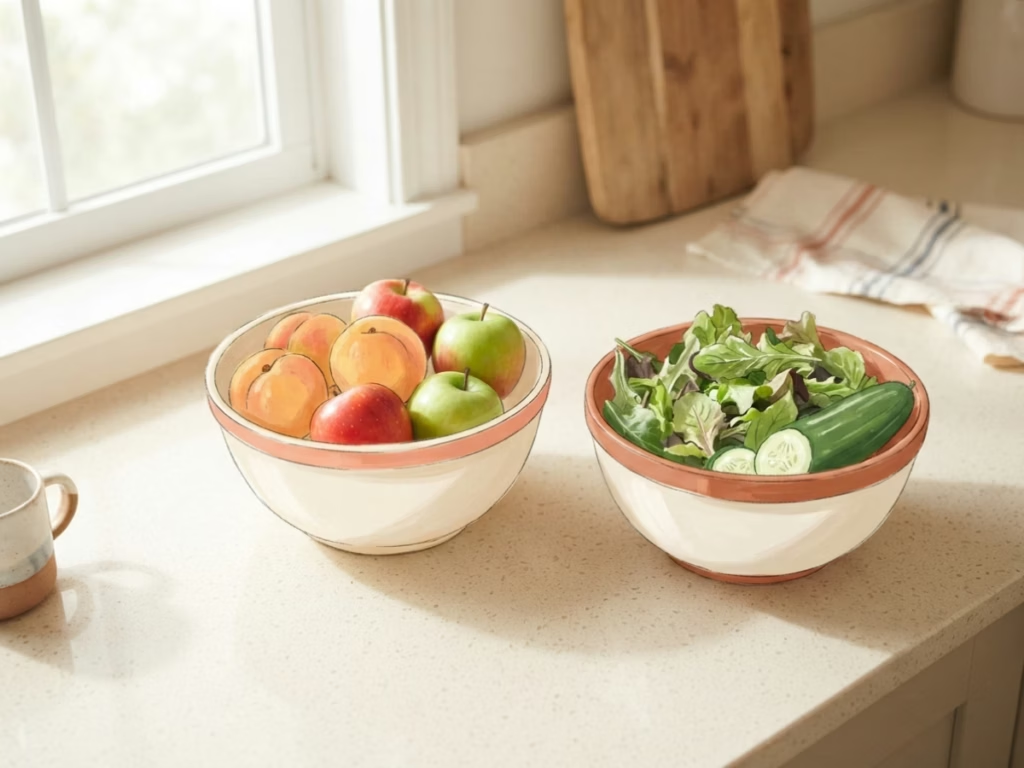
Then sort by urgency. What needs to be eaten in two days? What can wait a week? Build your meals around the short-lifers first. That gorgeous corn you grabbed? Best eaten the day you buy it, the husks slow things down if you refrigerate it, but the clock is ticking regardless.
Greens, Herbs, and the Paper Towel Rule
Leafy greens are the first to go, and moisture is usually the culprit. Store them unwashed in a sealed container or bag with a dry paper towel tucked inside to absorb excess humidity, per Texas Real Food. Wash them right before you eat them, not before you store them. Wet greens in a sealed bag are just composting in fast motion. Spinach and lettuce both get dramatically shorter windows when they go in damp.
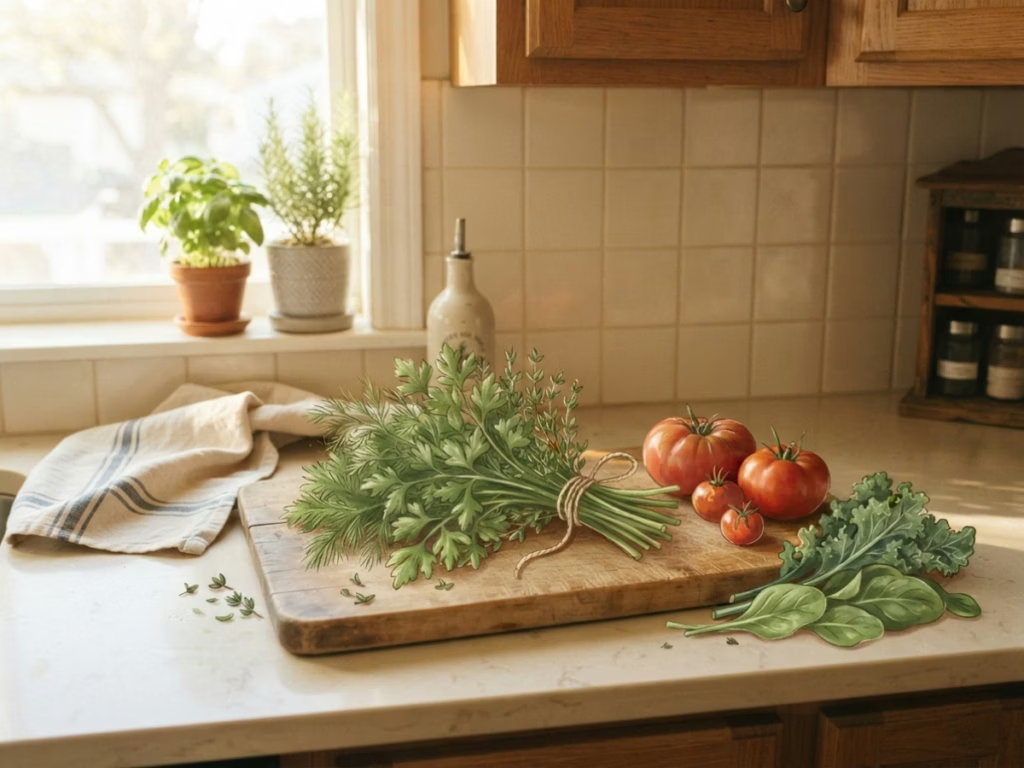
Herbs are a different category entirely, and they want to be treated like cut flowers. Basil, cilantro, scallions, and asparagus all do better stored upright in a jar with a small amount of water and a loose cover, per Food52. Cilantro stored this way can last significantly longer.
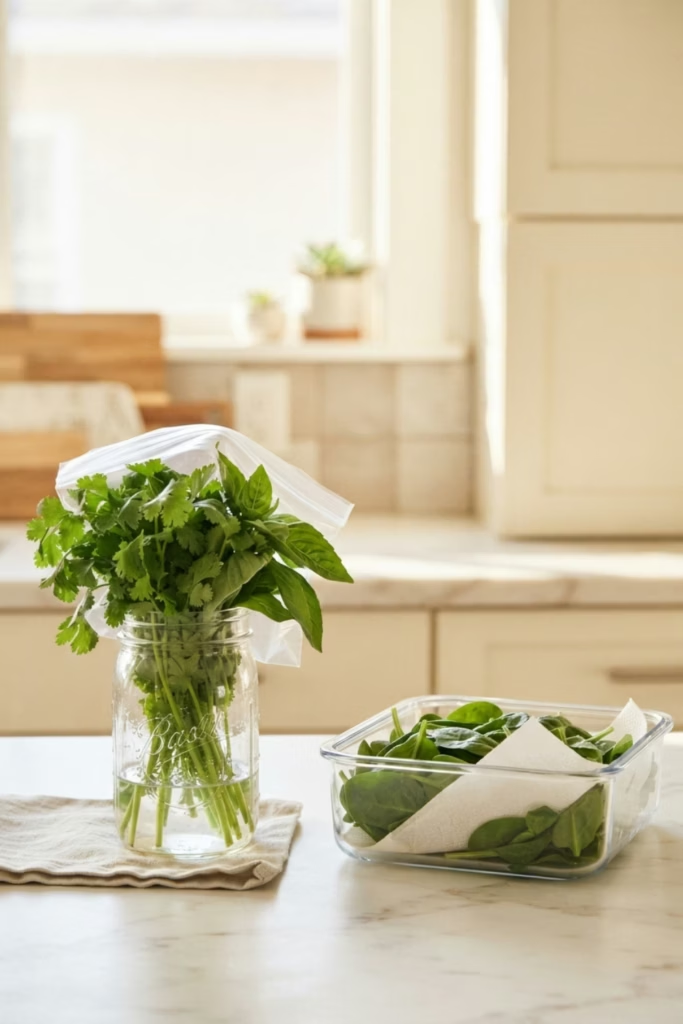
Stuffed in a plastic bag in the crisper drawer? Three days, maybe four, and then the wilted cilantro rescue operation begins.
The Counter Crew: Potatoes, Onions, and Tomatoes
Not everything wants the fridge. Potatoes and sweet potatoes need a cool, dark, well-ventilated spot, refrigerating them converts their starch to sugar faster and wrecks the texture, per Texas Real Food. Onions need the same conditions, but here’s the catch: don’t store them together. Onions and potatoes emit gases and moisture that accelerate each other’s spoilage.
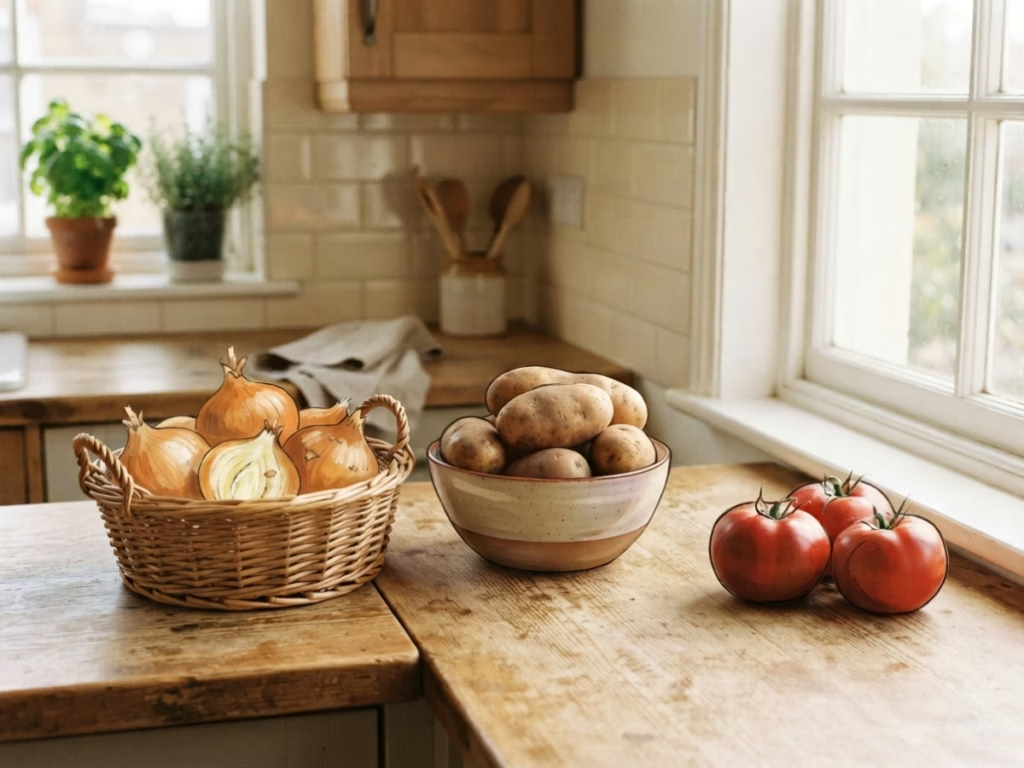
They seem like natural roommates. They are not.
Enjoying this?
Eat more of what you buy.
One short email a week. Preservation tricks, ingredient deep-dives, and the small kitchen habits that can quietly save $700+ a year on food waste. Pinky promise: no spam.
Tomatoes also stay on the counter at room temperature, stem side down, out of direct sunlight. The fridge kills their texture and flavor.
Keep Track of What You Actually Bought
A farmers market haul is exciting in the parking lot and invisible by Tuesday.
Pantidy runs on iOS and Android and lets you log your haul with expiration dates so you can see what needs to be used first, no more opening the fridge and discovering the cilantro situation too late. Try it free for 14 days.
Frequently Asked Questions
Should I wash farmers market produce before storing it?
Wash produce under running water right before you eat or cook it, not before you store it. Excess moisture speeds spoilage in storage, so drying thoroughly matters as much as washing, per Michigan Food Safety. Soap and detergent are not recommended for produce.
What’s the best way to store fresh produce from the farmers market?
The most common reason is ethylene gas. Most fruits release it naturally, and it causes nearby vegetables to ripen and spoil faster, per Food52. Storing fruit and vegetables in separate zones is often more important than temperature for extending shelf life.
Can I refrigerate potatoes and onions?
Neither one wants the fridge. Both do best in a cool, dark, well-ventilated spot, and they should be stored separately, since each accelerates the other’s decline, per Texas Real Food.
How do I keep fresh herbs from wilting in two days?
Treat them like cut flowers. Trim the stems, stand them upright in a jar with a small amount of water, cover loosely, and refrigerate, except basil, which prefers room temperature. Cilantro and parsley stored this way can last two to three weeks instead of a few days.
What temperature should my fridge be for storing produce?
Keep your fridge at 40°F or below, per Carrboro Farmers Market. A fridge running warmer than that is shortening the life of everything inside it. An inexpensive fridge thermometer costs a few dollars and is one of the better small investments in your kitchen (we know, we know, not glamorous, but it works).
One thing to do today: unpack your haul and sort it into three groups before it all goes in the fridge together, fruit, leafy greens, and counter produce. Takes three minutes. Saves the whole week.
Food Waste Calculator
How much food are you throwing away?
The average household wastes about 30% of the food they buy. See what that costs you.
You’re throwing away about
$0
per year in wasted food
Pantry + Recipes
From "What's in the Fridge?" to Dinner in Minutes
Pantidy is a smart pantry app on iOS and Android that tracks what you have, flags what's expiring, and matches your inventory to recipes you've already saved.
- See every recipe you can make right now
- Filter for recipes that use expiring items first
- Check ingredient match percentages at a glance
- Add missing items to your shopping list in one tap