
Pantry & Food Storage
-
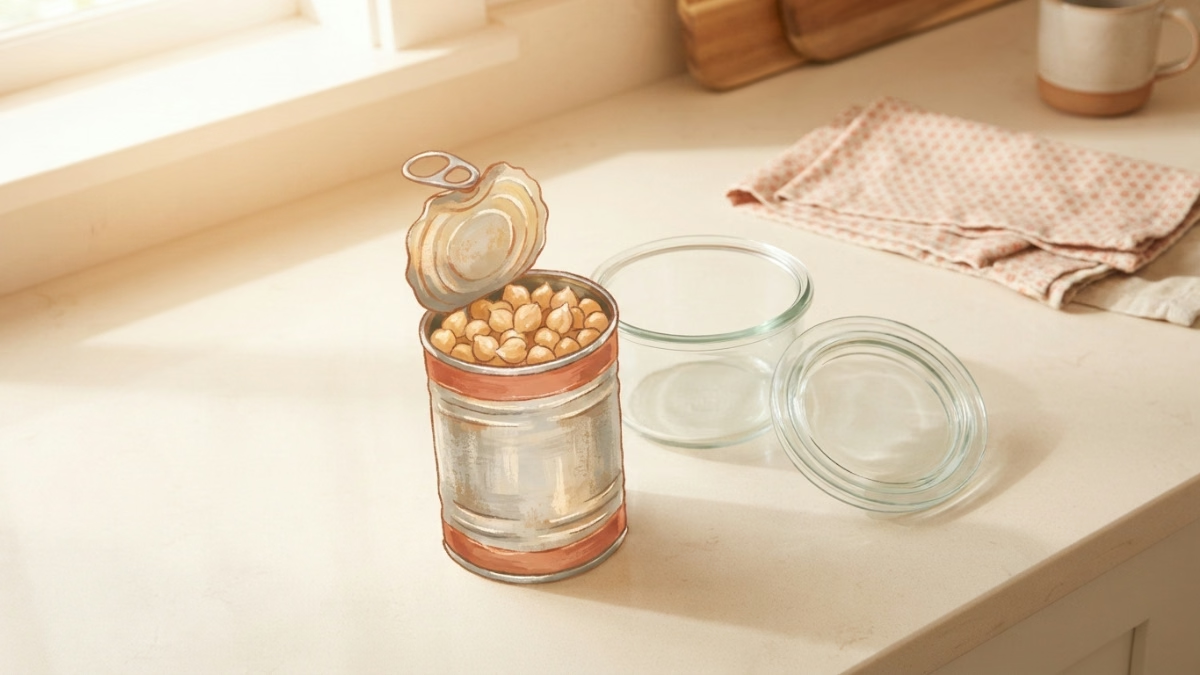
Opened Canned Chickpeas: How Long They Really Last
Opened canned chickpeas are good for 3-4 days in the fridge, but only if you get them out of the can and into an airtight container right away. Leave them in the original tin and that window gets shorter. If you’re not using them within four days, the freezer is your move: drained chickpeas hold…
-
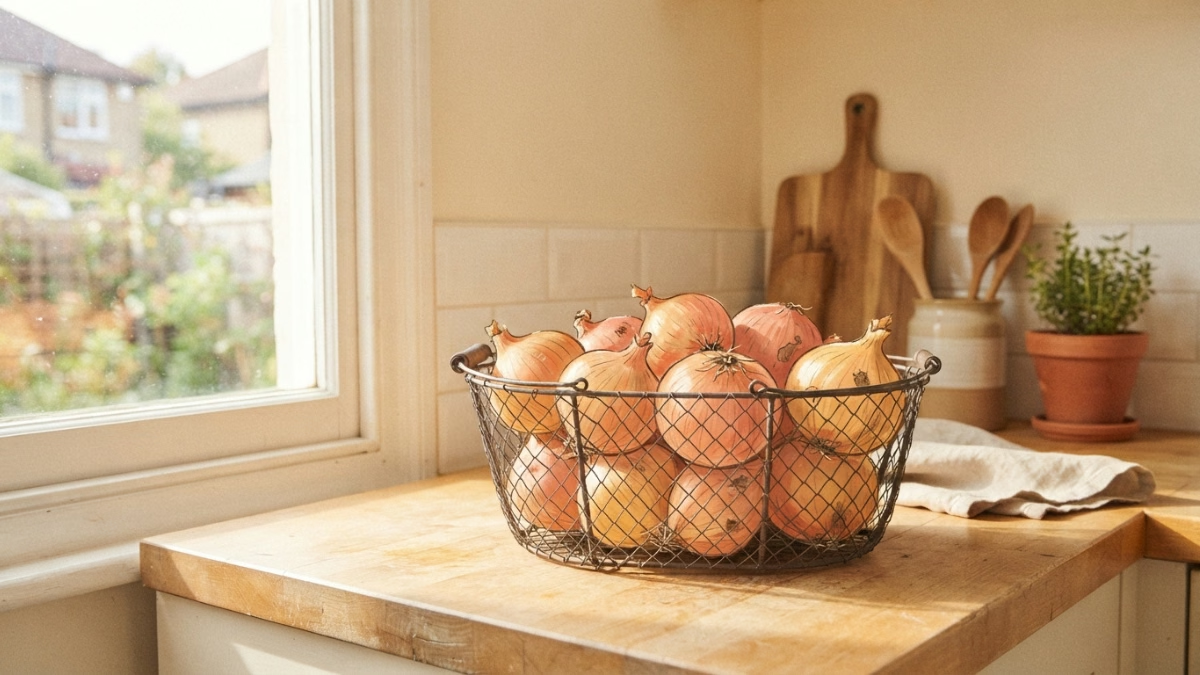
How Long Do Onions Last in the Pantry (And Why They Sprout)
Whole onions can last 1 to 3 months in a cool, dark pantry, but most of them don’t make it that far, because the typical kitchen storage setup is quietly killing them. Sealed plastic bags, warm countertops, and zero airflow are the culprits. The sprout you found this morning isn’t evidence you bought a bad…
-
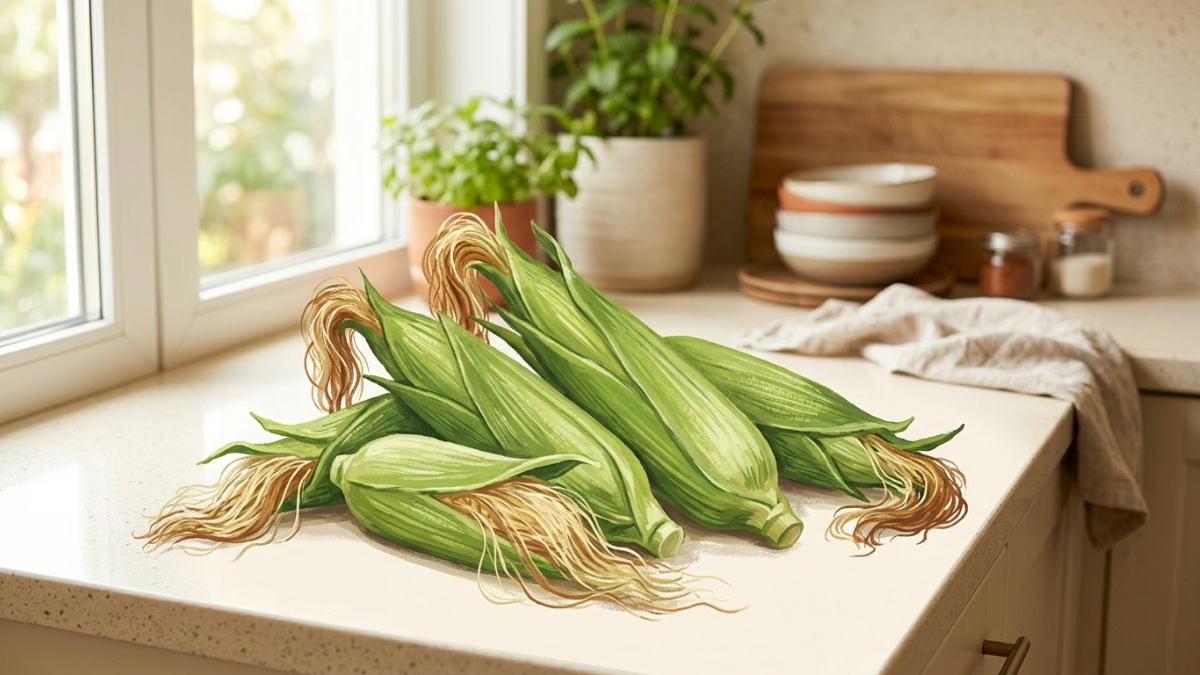
How to Store Corn on the Cob to Keep It Sweet & Crisp
Fresh corn is a race. The moment it’s picked, its sugars start converting to starch (Serious Eats), and that sweet, crisp bite you’re paying for is already on the clock. The best way to store corn on the cob is simple: leave the husks on, put it in your fridge’s crisper drawer, and cook it…
-
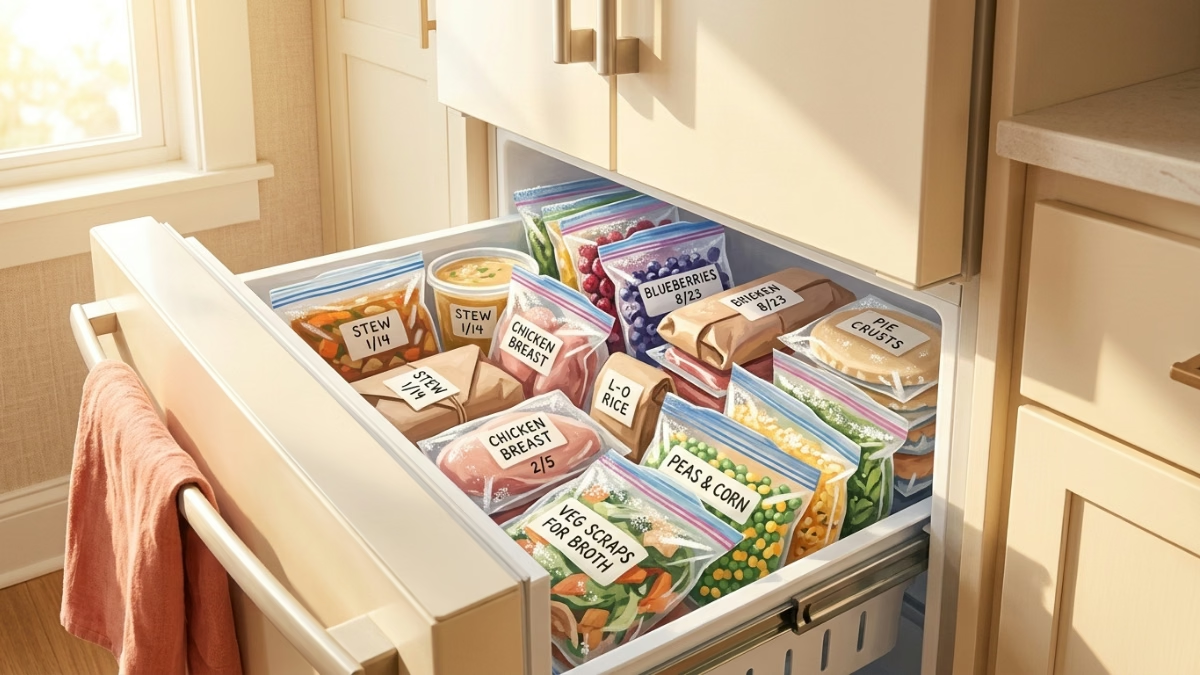
What Is Freezer Burn? Safe to Eat? (And How to Stop It)
Those grayish-white patches on your chicken breast are not a sign you’re about to get food poisoning. Freezer burn is a quality problem, not a safety one, and that distinction matters, because most people throw out food they didn’t need to. Key Takeaways: What Is Freezer Burn, Exactly? Freezer burn happens when air reaches the…
-
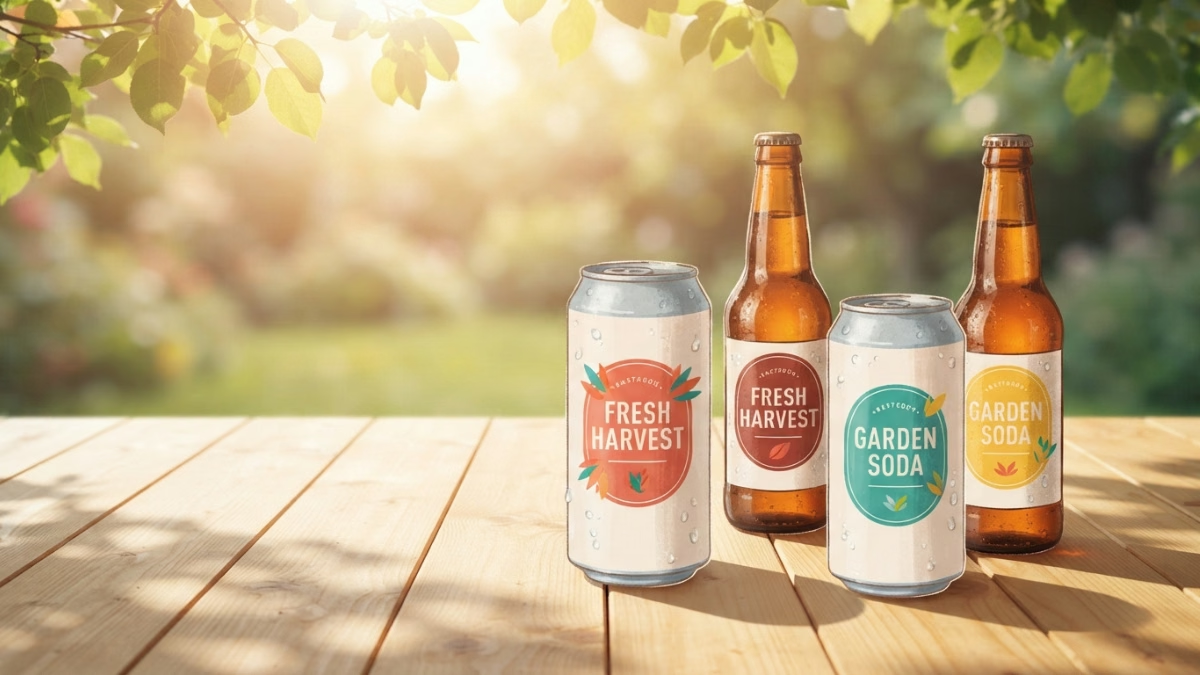
How to Keep Drinks Cold Outside (No Fridge Needed)
The fastest way to keep drinks cold outside without a fridge is to combine two things most people skip: pre-chilling your drinks the night before, and keeping them out of direct sun. Everything else, wet cloths, cold-water dunks, insulated bottles, is just layering on top of a cold starting point. Skip the pre-chill and you’re…
-
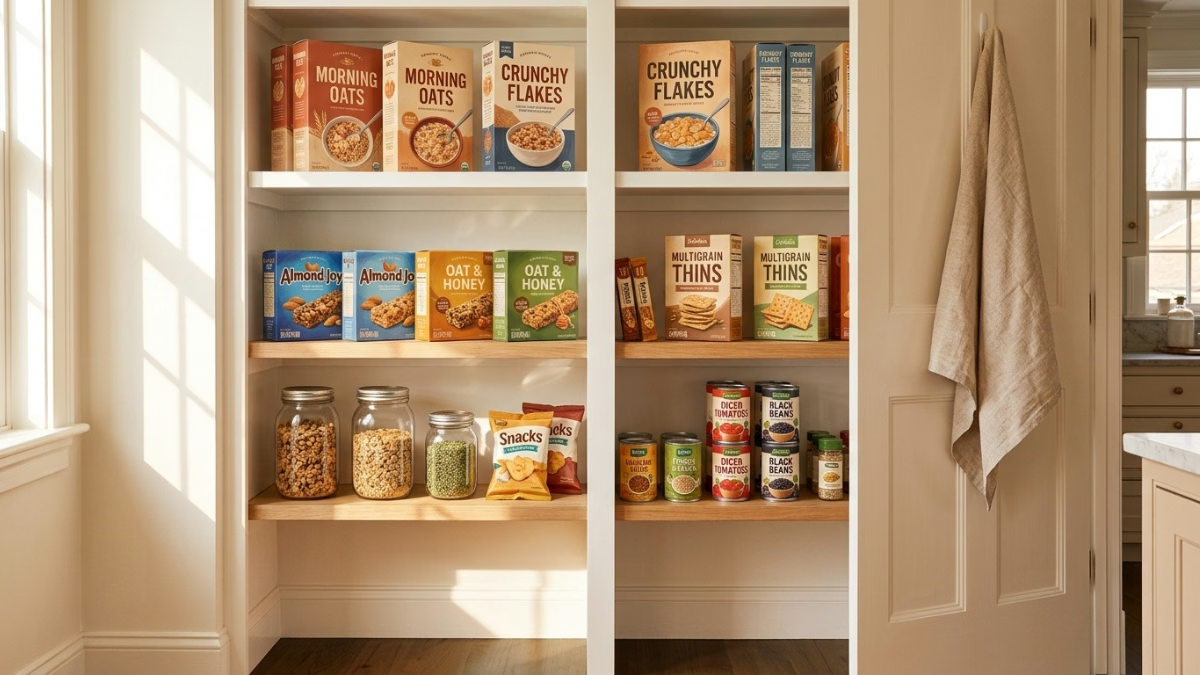
The 15-Min Pantry Sweep Before School Starts
Your pantry is about to get ambushed. School starts, the morning routine kicks back in, and suddenly you need a granola bar, a lunchbox snack, and a reason to believe you’re a functional adult, all before 7:45 a.m. A quick pantry clean out before school starts is the fix. 15 minutes, one sweep, and you’ll…
-
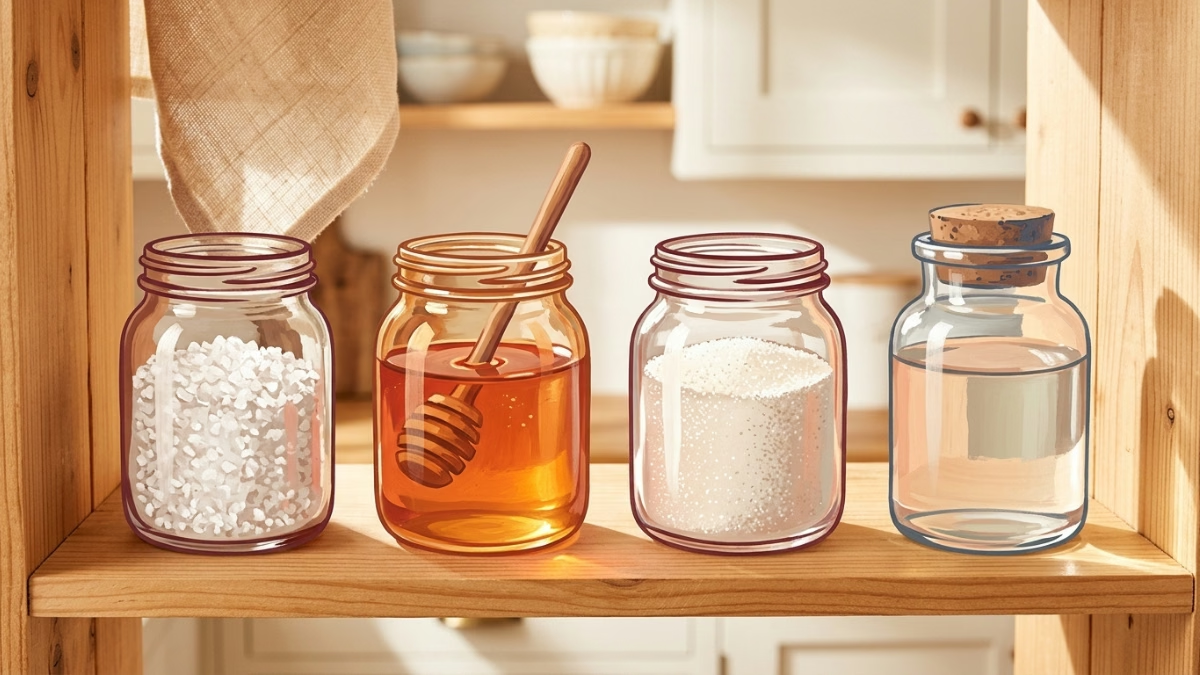
5 Pantry Foods With a Truly Indefinite Shelf Life
Five pantry foods have a genuinely indefinite shelf life: salt, granulated sugar, honey, distilled white vinegar, and unopened hard liquor. Not “a really long time.” Not “probably fine for a few years.” Indefinitely, because each one is chemically self-preserving, not just well-packaged. Everything else in your pantry has a clock. These five don’t. That matters…
-
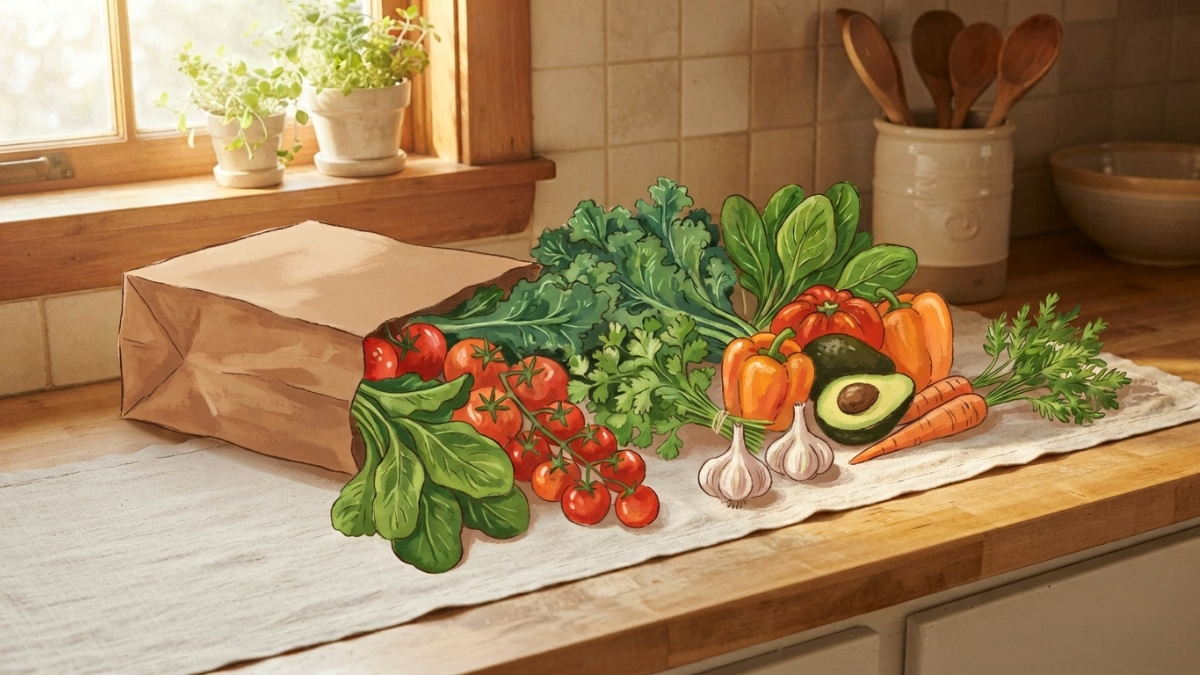
Farmers Market Haul: A Quick Guide to Make Produce Last
You hauled a beautiful bag of produce home from the farmers market. By Thursday, half of it is changing colors. The fix isn’t a better fridge, it’s knowing that different produce needs completely different treatment, and mixing them up is what kills everything fast. Here’s how to store farmers market produce so it actually survives…
-
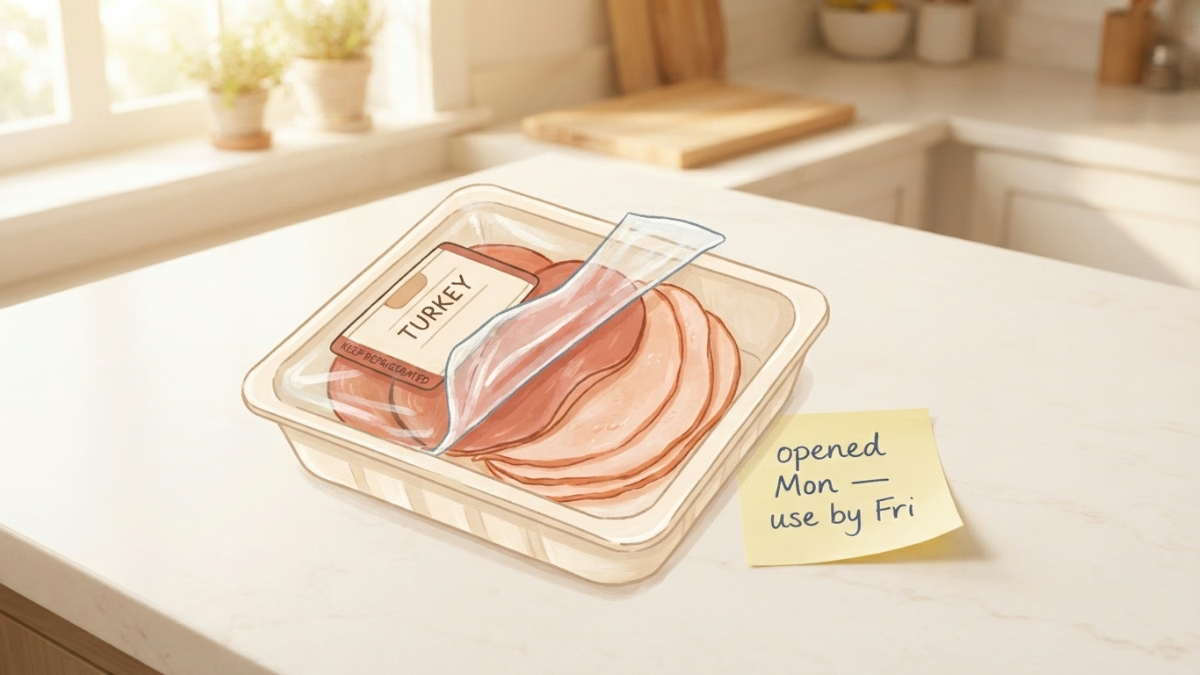
How Long Is Deli Meat Good For After Opening? Lunch Meat 101
The short answer to how long deli meat is good for: 3 to 5 days after opening, full stop. That’s the USDA’s hard line, per USA Today, and it applies whether you sliced it yourself at the deli counter or peeled back a factory seal. Day six is not a judgment call. It’s a discard.…
-
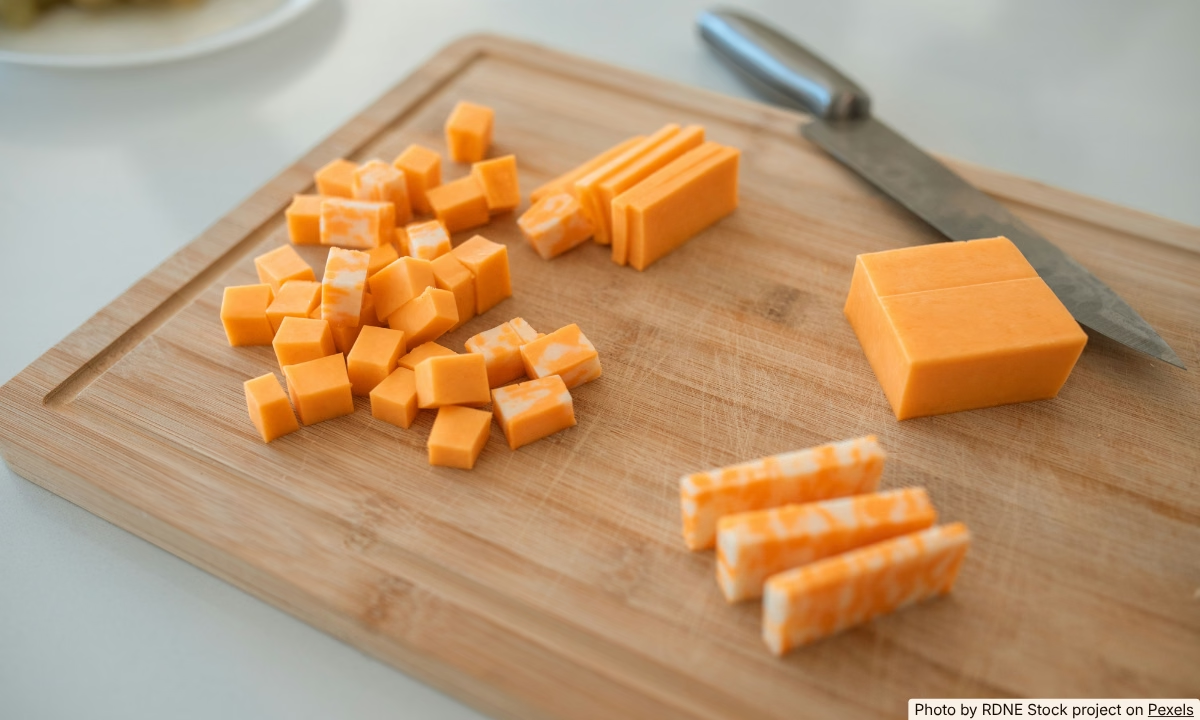
Can You Eat Moldy Cheese? A Guide to What’s Safe
Hard cheeses like Cheddar, Parmesan, and Swiss are generally safe to eat if you cut at least 1 inch around and below the mold spot. Soft cheeses like cream cheese, cottage cheese, and ricotta must be thrown out entirely if any mold appears. That fuzzy green spot on your block of Cheddar doesn’t have to…