
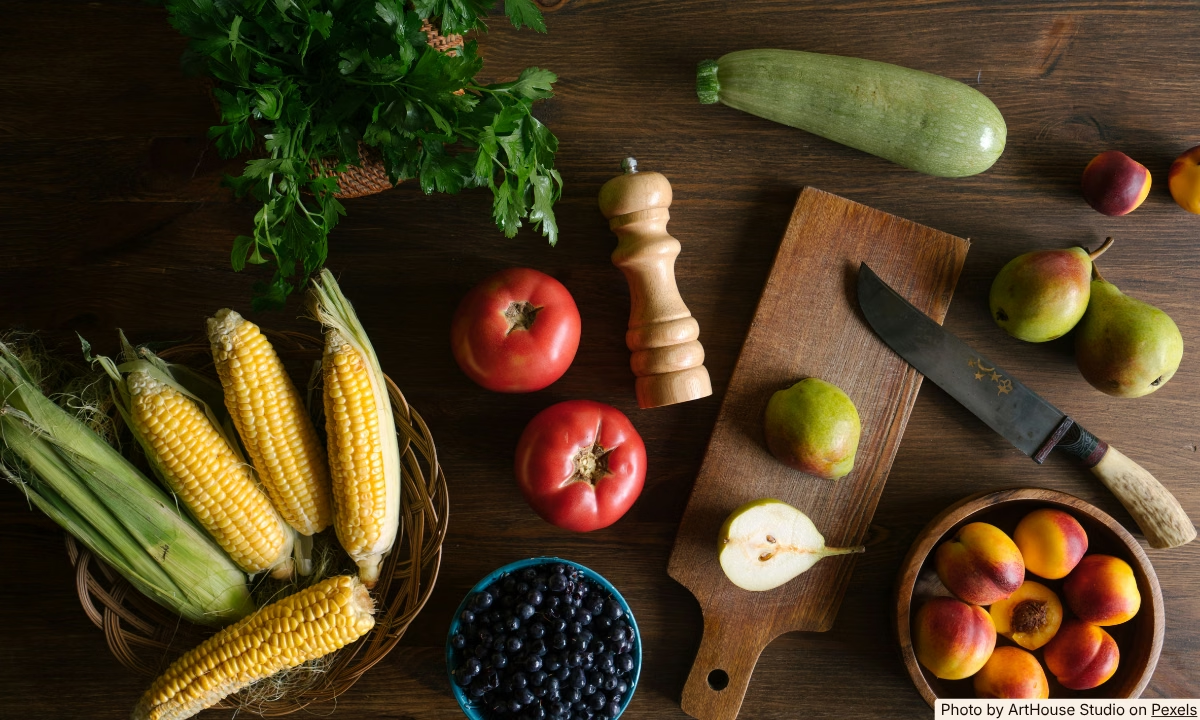
Tomatoes, mangoes, peaches, bananas, and melons should all be stored at room temperature until fully ripe, refrigerating them before they’re ready halts ripening, kills flavor, and turns the texture mealy. Once ripe, mangoes can move to the warmest fridge shelf (near the door) to last about a week longer. This summer fruit storage guide covers the five fruits that get worse in the cold and exactly where to keep them instead.
The fridge is not a universal save button. Five summer fruits, tomatoes, mangoes, peaches, bananas, and melons, actively get worse in the cold. Refrigerating them before they’re ripe halts the ripening process, kills the enzymes responsible for sweetness and aroma, and turns a perfect peach into something that tastes like wet cardboard. Store them on the counter instead, and they’ll actually taste like summer.
Key Takeaways:
- Tomatoes refrigerated before ripe lose flavor permanently, store them stem-side down on a cool counter, where they can last up to 2 weeks, per Washington Farmers Markets.
- Mangoes ripen on the counter away from direct sunlight; once ripe, the warmest fridge shelf near the door extends their life by roughly a week.
- Bananas stored at 60°F-70°F ripen properly; cold temperatures halt ripening and turn the flesh mushy.
- Stone fruits like peaches stop developing sweetness when refrigerated before ripe, counter storage first, fridge only after.
- Melons release ethylene gas that accelerates spoilage in neighboring produce, so keep them out of a crowded fridge until cut.
Summer Fruit Storage Guide: 5 Fruits to Keep Off the Cold Shelf
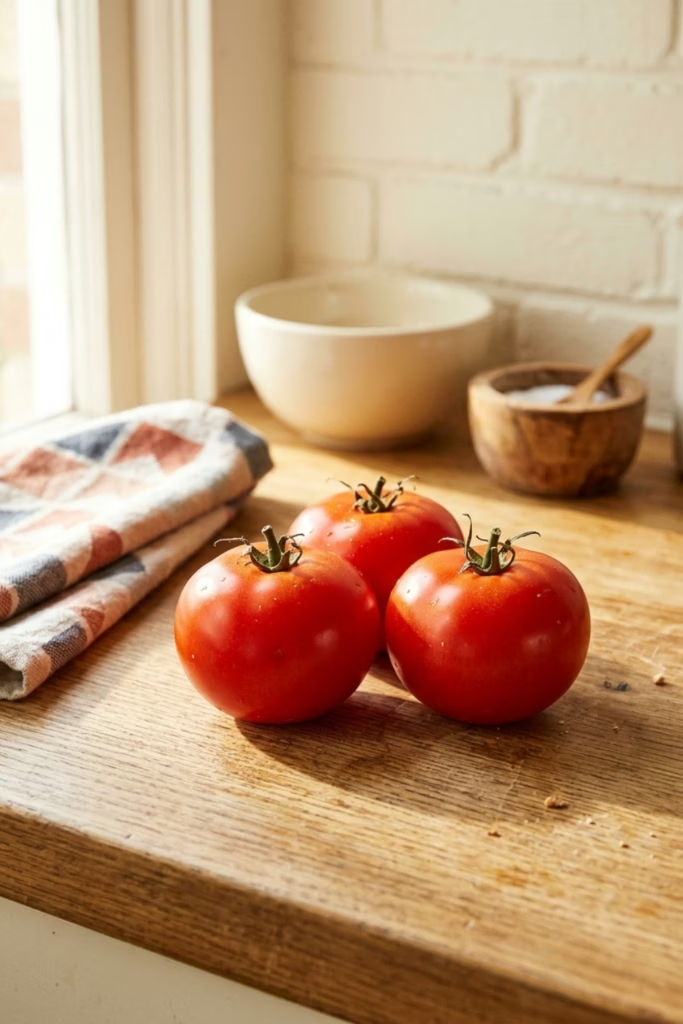
Tomatoes. The fridge is where tomato flavor goes to die. Cold temperatures destroy the volatile compounds that make a tomato taste like a tomato. Store them stem-side down on a cool counter and they can last up to 2 weeks, per Washington Farmers Markets. Move them to the fridge before that and you’ve made a mealy, flavorless sphere that no amount of salt will save. More on how long tomatoes actually last here.
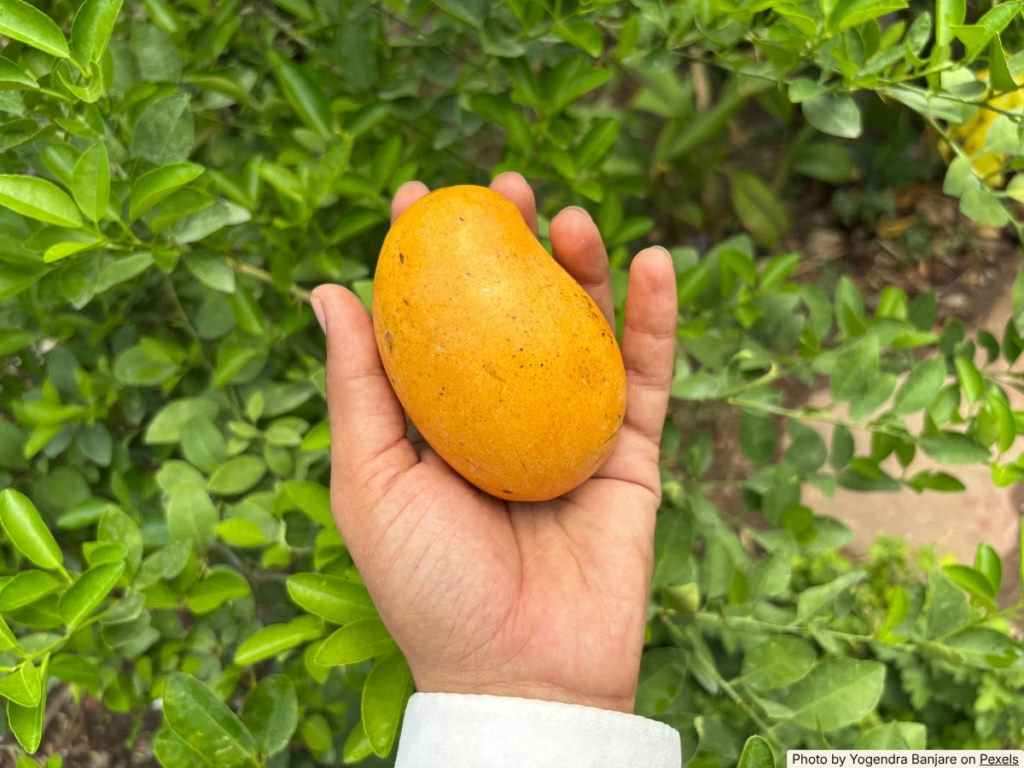
Mangoes. Leave them on the counter, away from direct sunlight, until they give slightly when pressed. Once ripe, the one fridge exception that works: the warmest shelf near the door (not the crisper), that mimics room temperature enough to slow mold while preserving texture, buying you roughly another week ,per USDA FNA. Put an unripe mango in the crisper and it will stay hard forever. Not “firm.” Hard. Like a decorative gourd.
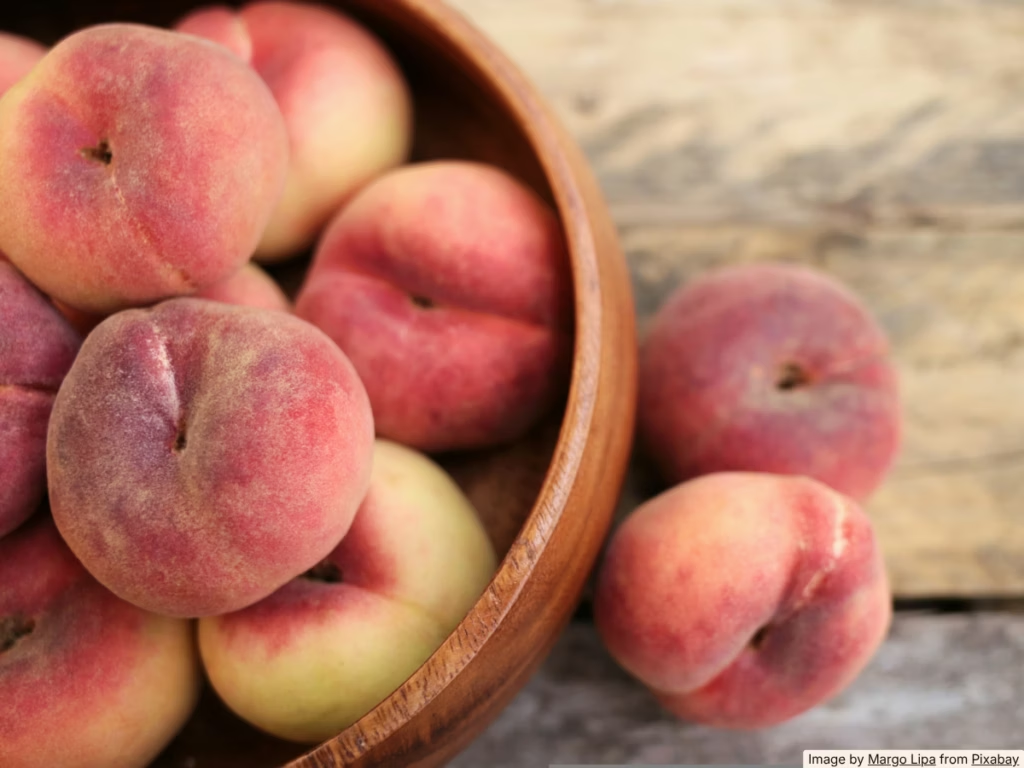
Peaches. Cold storage before ripe halts sugar development, and the peach you refrigerated on Monday will taste the same on Friday. Counter first, fridge only after they’ve ripened. Check out our guide on How to Tell If a Peach is Ripe to make sure you always get the sweet peaches.
Bananas. The sweet spot is 60°F to 70°F, per USDA FNA. Below that, the cold halts ripening and turns the flesh mushy before the peel even browns. The peel will blacken in the fridge (dramatic, honestly). More details on how long bananas last if you’re tracking a bunch.
Melons. Whole melons are happy on the counter. Keeping them out of a crowded fridge also protects your salad greens, which are sensitive to the ethylene gas melons release. Once cut, wrap tightly and refrigerate, here’s the full breakdown on how to store cut watermelon so it stays crisp. This is the ethylene gas problem that most summer produce storage guides skip: it’s not just about the melon, it’s about everything sharing the shelf.
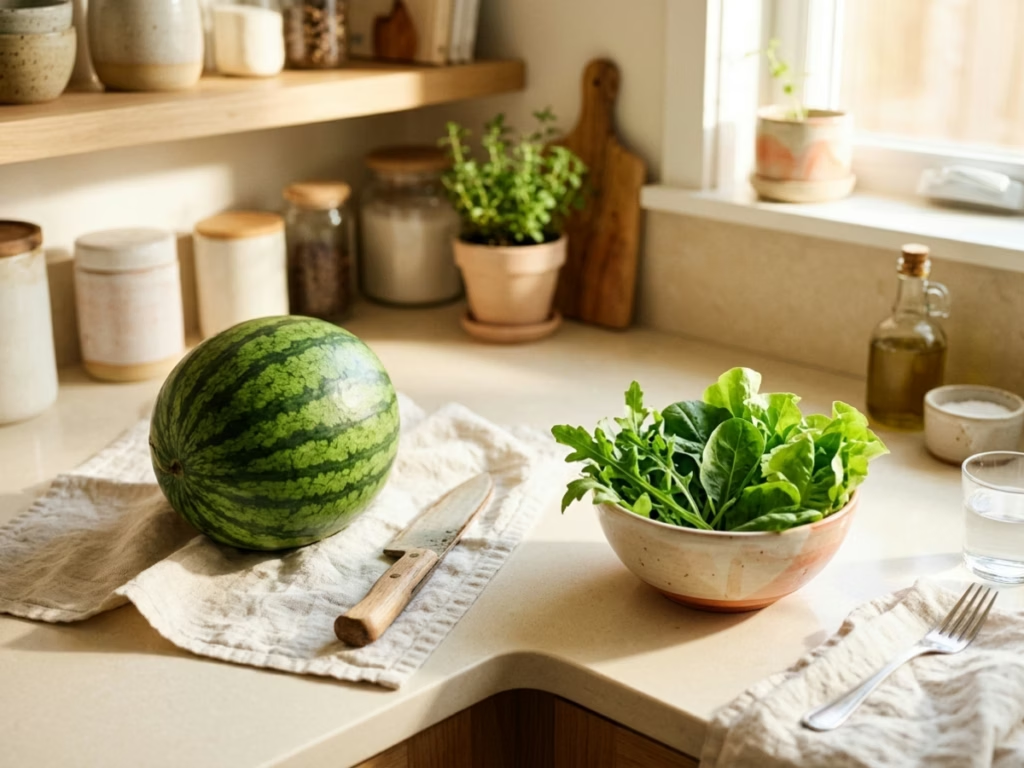
Summer fruit is not cheap. A few wrong shelf choices and you’ve quietly composted $15 to $20 of produce in a week.
Enjoying this?
Eat more of what you buy.
One short email a week. Preservation tricks, ingredient deep-dives, and the small kitchen habits that can quietly save $700+ a year on food waste. Pinky promise: no spam.
Frequently Asked Questions
Should you ever refrigerate tomatoes?
Only after they’re fully ripe and you need to slow further softening, even then, bring them back to room temperature before eating. Cold tomatoes stored before ripe lose flavor permanently. The counter is almost always the better call.
What’s the warmest spot in the fridge for ripe summer fruit?
The shelf nearest the door. Fridge doors run warmer than the main compartment, which slows mold without the hard cold that ruins texture. This is the right landing spot for ripe mangoes or stone fruit you’re not eating today.
Can you store bananas in the fridge?
Not until they’re fully ripe. Storing bananas at 60°F-70°F lets them ripen properly, per USDA FNA. Once they’ve hit your preferred ripeness, the fridge can pause them there, but the peel will blacken fast. Totally normal. The inside is fine.
Do summer fruits really affect other produce in the fridge?
Yes. Melons, peaches, and bananas release ethylene gas, which accelerates ripening (and rotting) in nearby produce, especially leafy greens. Keeping them out of a packed fridge isn’t just about the fruit. It’s about everything else in there too.
If you’re buying what’s in season this summer and watching it go to waste faster than expected, the storage method is usually the culprit. Pantidy runs on iOS and Android and tracks what’s in your fridge, what’s expiring, and which of your saved recipes use it up first. Try it free for 14 days.
Today’s action: pull any tomatoes or stone fruit out of your fridge right now and put them on the counter. That’s it. One shelf change, and your produce actually tastes like you paid for it.
Food Waste Calculator
How much food are you throwing away?
The average household wastes about 30% of the food they buy. See what that costs you.
You’re throwing away about
$0
per year in wasted food
Pantry + Recipes
From "What's in the Fridge?" to Dinner in Minutes
Pantidy is a smart pantry app on iOS and Android that tracks what you have, flags what's expiring, and matches your inventory to recipes you've already saved.
- See every recipe you can make right now
- Filter for recipes that use expiring items first
- Check ingredient match percentages at a glance
- Add missing items to your shopping list in one tap