
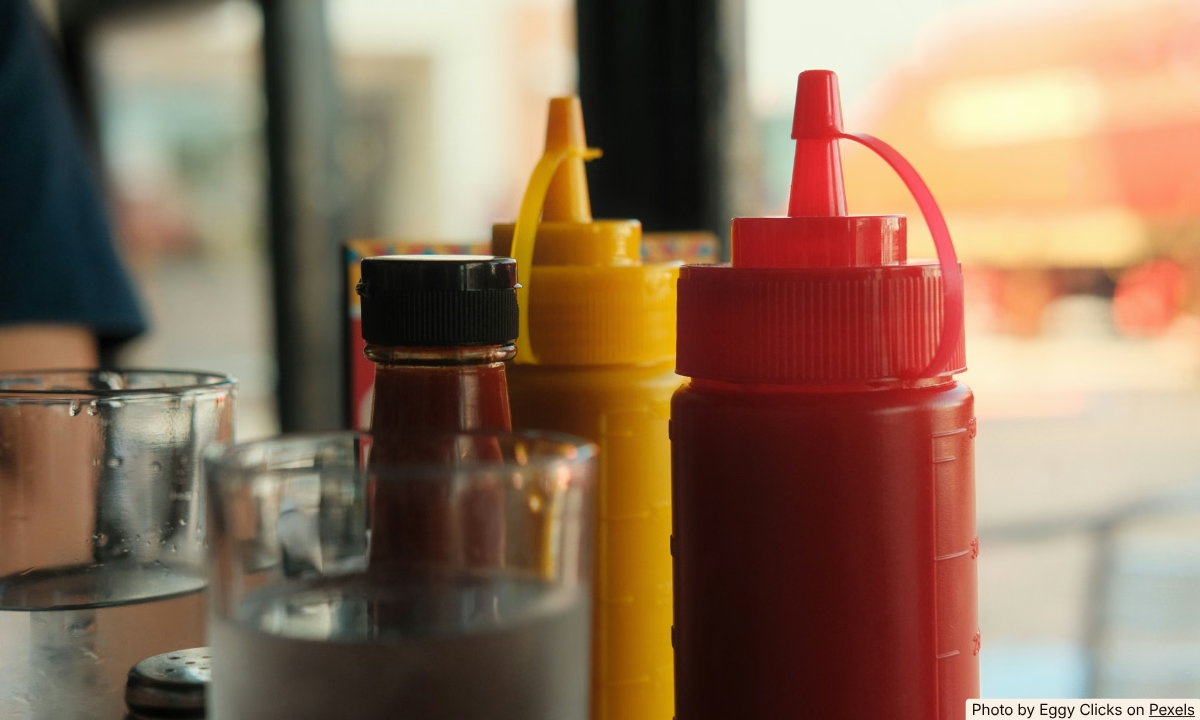
Ketchup is shelf-stable before opening and safe at room temperature after opening, but Heinz, Hunt’s, and FoodSafety.gov all recommend refrigerating after opening for best flavor and texture. The fridge is about quality, not survival.
The question of whether ketchup needs to be refrigerated has ended marriages. (Probably.) Here’s the actual answer: ketchup is safe at room temperature after opening, but refrigerating it keeps the flavor and texture where you want them. Safety and quality are two different things, and most of the internet conflates them.
Before opening, ketchup is fully shelf-stable. Its natural acidity does the heavy lifting. Once you crack the seal, Heinz’s U.S. bottle label says “For Best Results, Refrigerate After Opening.” That’s not a legal disclaimer. That’s the brand telling you the fridge is where the flavor lives.
In this post:
- Ketchup is shelf-stable before opening due to its natural acidity, so an unopened bottle is fine in the pantry.
- Heinz’s U.S. label says “For Best Results, Refrigerate After Opening,” making refrigeration a quality recommendation, not a food-safety requirement.
- FoodSafety.gov lists ketchup among shelf-stable condiments that benefit from refrigeration after opening for longer freshness.
- If you use a bottle quickly, pantry storage in a cool, dark spot is acceptable; slow users should refrigerate to preserve flavor and texture.
- Spoilage signs include darker color, off smell, visible mold, watery separation, or clumping, if you see any of those, toss it.
Does Ketchup Need to Be Refrigerated? The One-Rule Decision
NYT Cooking puts it cleanly: if a condiment was sold refrigerated, keep it refrigerated at home. If it was sold on a shelf, pantry storage is acceptable, provided you use it frequently. The key word is frequently.
If your household goes through a bottle in two or three weeks, a cool, dark cabinet is fine. Red Gold confirms ketchup can stay at room temperature as long as the bottle is tightly sealed and kept away from heat and light. Heat and light accelerate oxidation, so that cabinet above the stove is the worst possible home for it.
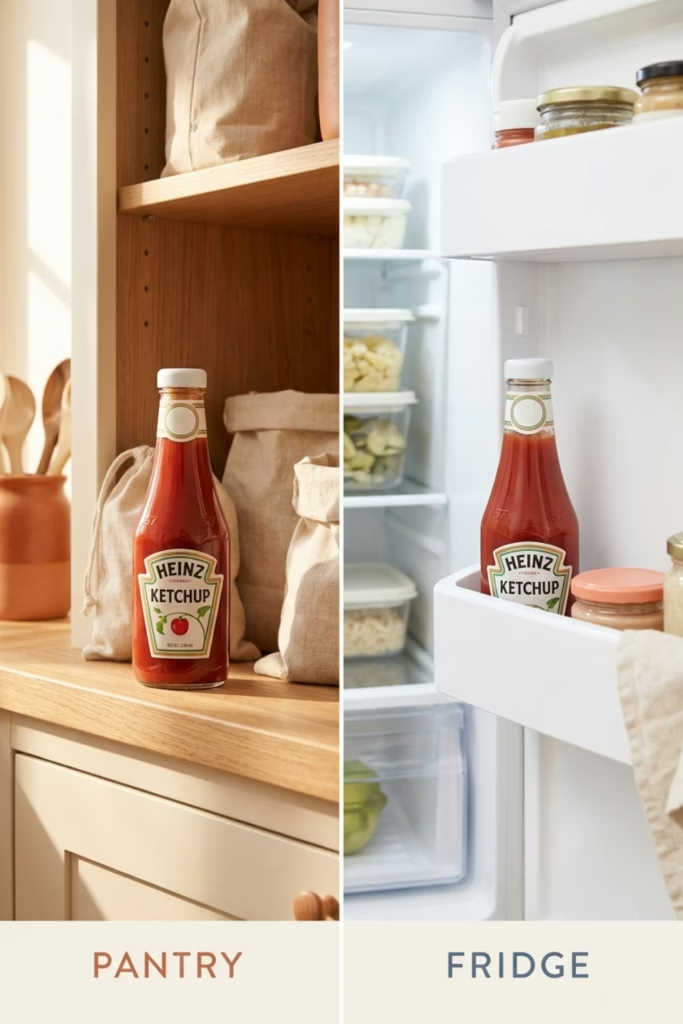
If the bottle has been sitting on your counter since the cookout three months ago, the fridge is your friend. A Conagra Brands culinary specialist told EatingWell that opened ketchup should be refrigerated to preserve flavor and texture over time. The science is boring. Just know, the ketchup tastes better.
The Restaurant Logic Trap
Diners and fast-food counters leave ketchup out all day and nobody dies. True. But those bottles turn over fast. Your home bottle does not. A bottle of Heinz runs $4 to $6. Throwing it out because it went off on the counter is $5 of completely avoidable waste. High-traffic restaurant conditions and a bottle that’s been riding shotgun on your dining table since the Fourth of July cookout are not the same situation.
Pantidy is a pantry-tracking app on iOS and Android, and this is exactly the kind of thing it helps with: you log the bottle when you open it, and it tells you when to start side-eyeing it.
Signs Your Ketchup Has Gone Bad
EatingWell lists the spoilage tells: darker color than usual, an off smell, visible mold, watery separation, or clumping. If it passes all five checks, it’s fine. If it fails any of them, it’s compost.
Enjoying this?
Eat more of what you buy.
One short email a week. Preservation tricks, ingredient deep-dives, and the small kitchen habits that can quietly save $700+ a year on food waste. Pinky promise: no spam.
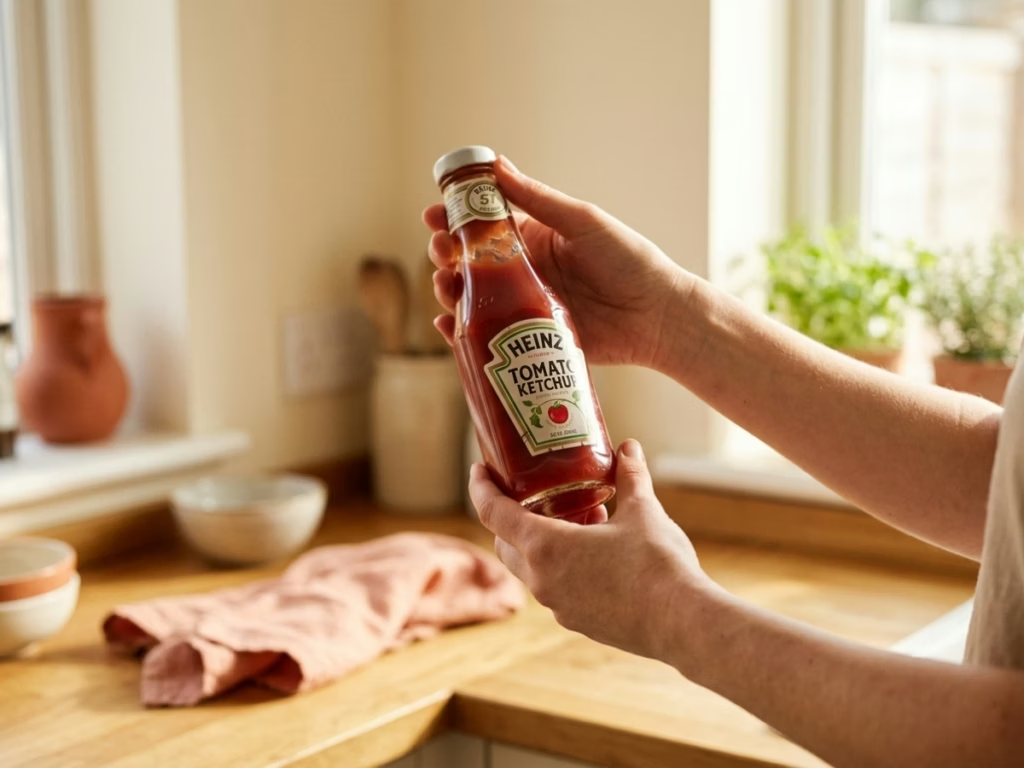
Red Gold also notes ketchup can remain safe beyond the date on the bottle if stored correctly, though quality declines. Most opened bottles stay good for up to six months in the fridge. The date is a quality marker, not an expiration cliff.
Pantidy logs the open date so you’re not guessing.
Pantidy tracks condiment dates alongside everything else in your fridge and pantry. It flags what’s expiring before you find out the hard way. Free to try for 14 days, then $5 a month.
Frequently Asked Questions
Does ketchup need to be refrigerated after opening?
It doesn’t need to be refrigerated for safety, but Heinz, Hunt’s, and FoodSafety.gov all recommend it for best results. Refrigeration preserves flavor and texture, especially if you use the bottle slowly.
How long can ketchup sit out after opening?
If it’s in a cool, dark spot with the lid tightly sealed, Red Gold says room-temperature storage is acceptable. For most households, the fridge is the safer default once the bottle is open and not being finished quickly.
What are the signs ketchup has gone bad?
According to EatingWell, watch for darker color, an off smell, visible mold, watery separation, or clumping. Any one of those is your cue to toss it.
Does Heinz ketchup need to be refrigerated?
Heinz’s U.S. bottle label says “For Best Results, Refrigerate After Opening.” The product is shelf-stable before you open it, but the brand recommends the fridge once you do.
Do you have to refrigerate ketchup after opening?
No, you don’t have to. Ketchup storage after opening is flexible: a cool, dark pantry works if you go through the bottle quickly. But Heinz, Hunt’s, and FoodSafety.gov all recommend the fridge for best flavor and texture, especially if the bottle sits around for more than a few weeks.
One thing to do today: check the ketchup on your counter or in your fridge door. If it’s been open for more than a month and lives outside the fridge, move it. Takes four seconds. Your frie(nd)s will thank you.
Food Waste Calculator
How much food are you throwing away?
The average household wastes about 30% of the food they buy. See what that costs you.
You’re throwing away about
$0
per year in wasted food
Pantry + Recipes
From "What's in the Fridge?" to Dinner in Minutes
Pantidy is a smart pantry app on iOS and Android that tracks what you have, flags what's expiring, and matches your inventory to recipes you've already saved.
- See every recipe you can make right now
- Filter for recipes that use expiring items first
- Check ingredient match percentages at a glance
- Add missing items to your shopping list in one tap