
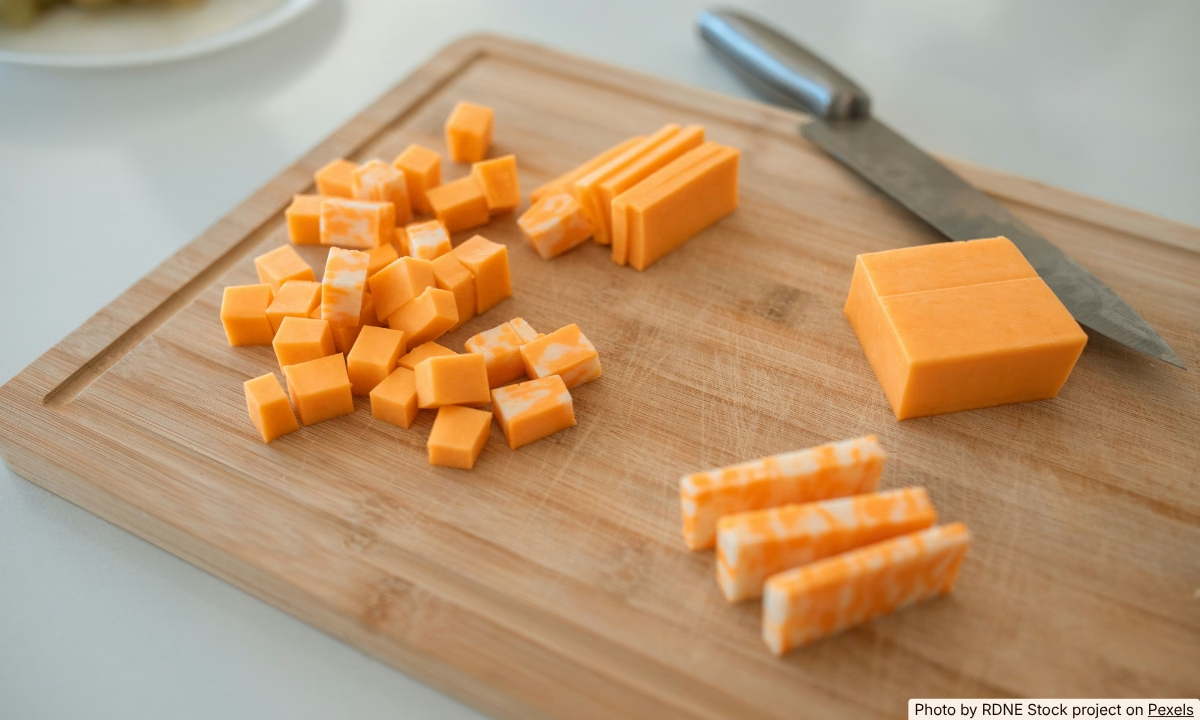
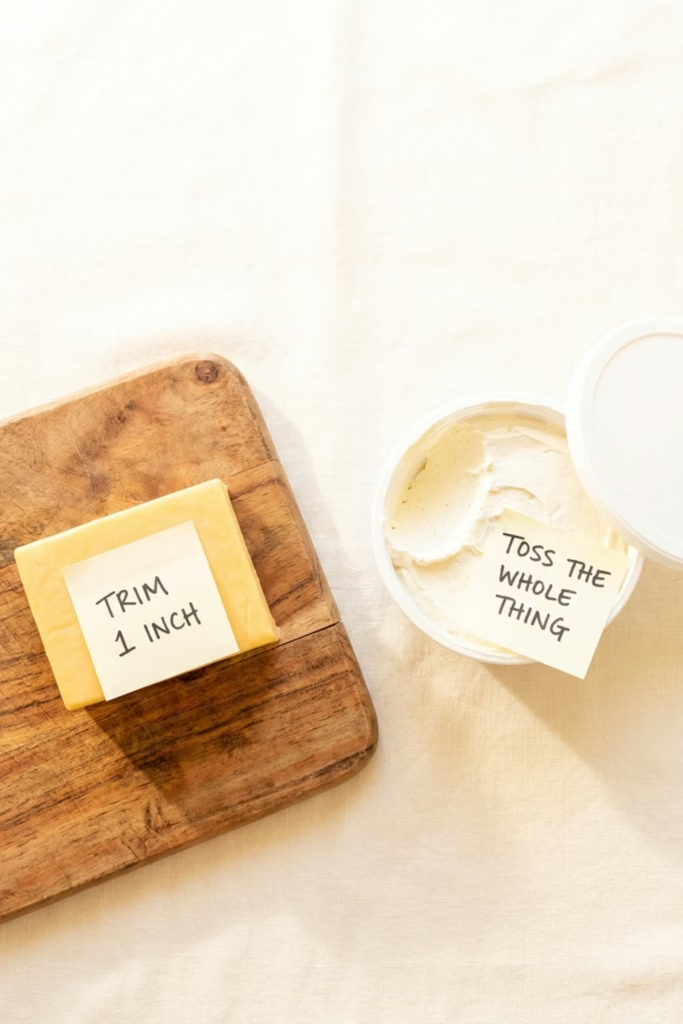
Hard cheeses like Cheddar, Parmesan, and Swiss are generally safe to eat if you cut at least 1 inch around and below the mold spot. Soft cheeses like cream cheese, cottage cheese, and ricotta must be thrown out entirely if any mold appears.
That fuzzy green spot on your block of Cheddar doesn’t have to mean $6 in the trash. Whether you can eat cheese with mold depends entirely on what kind of cheese you’re dealing with. Hard cheeses: usually salvageable. Soft cheeses and anything pre-shredded: gone. Here’s exactly where the line is.
Key Takeaways:
- Hard cheeses (Cheddar, Parmesan, Swiss, Colby) are safe to eat after trimming at least 1 inch around and below the mold spot, per food safety guidance.
- Soft cheeses (cream cheese, cottage cheese, ricotta, mascarpone) and all shredded or crumbled varieties must be discarded entirely when mold appears, because spores penetrate the whole product.
- Blue cheese, Brie, Roquefort, Gorgonzola, and Stilton are intentionally cultured with controlled mold strains and are safe to eat as normal.
- Unexpected pink, green, or black patches on soft-ripened cheese, or any cheese that smells of ammonia or feels soggy, signals spoilage beyond visible mold, toss it.
- Pre-shredded cheese showing any mold should be disposed of entirely, because spores transfer easily between pieces inside the bag.
Can You Eat Hard Cheese With Mold? The 1-Inch Rule
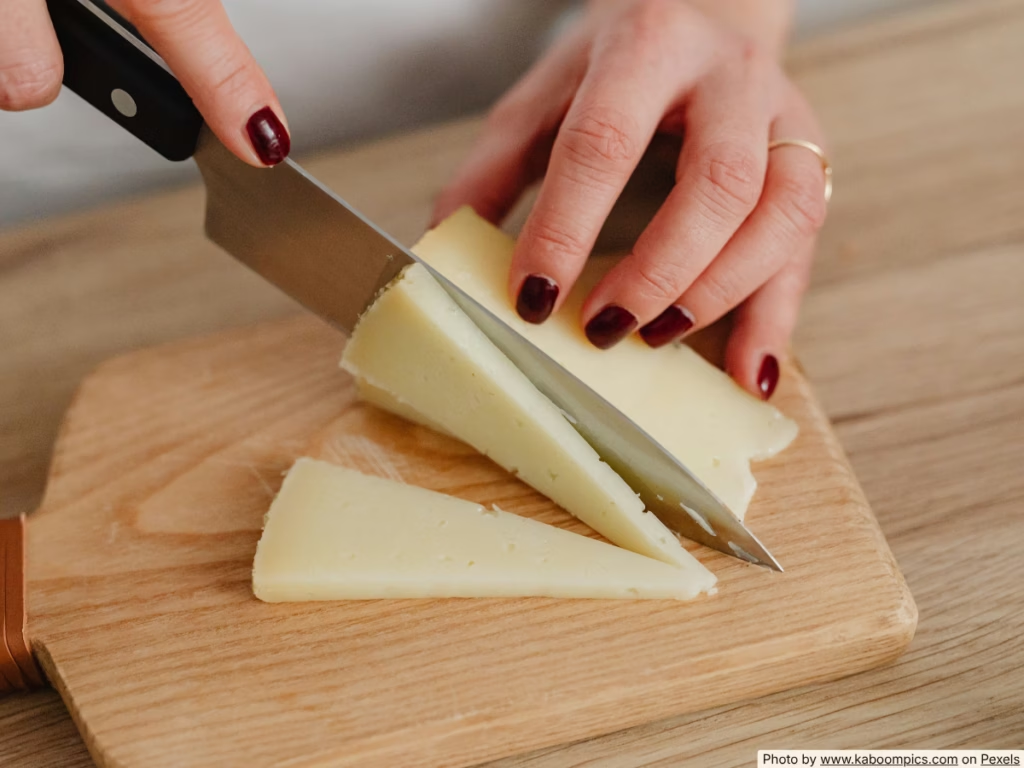
For hard cheeses like Cheddar, Parmesan, Swiss, and Colby, mold on the surface doesn’t mean mold through the whole block. Cut at least 1 inch around and below the spot, keep the knife out of the mold itself so you’re not dragging spores across the clean surface, rewrap, and carry on, per Healthline.
White or fuzzy green mold is the low-drama variety (annoying, but manageable). Black or gray mold is less desirable and earns a more generous cut, but the same rule applies, per EatingWell. What you’re watching for are the real red flags: an ammonia smell, a soggy texture alongside the mold, or anything that looks or smells like the cheese has gone somewhere beyond a surface spot, per EatingWell. That’s when you stop negotiating and throw it out.
Want to know how long a block of cheddar cheese lasts properly stored? That page has the full breakdown.
Soft Cheese and Shredded: No Negotiation
Cream cheese, cottage cheese, ricotta, mascarpone. If any of these shows mold, the whole container goes. We know. You just opened it. Still goes. No trimming, no “just scrape it off.” The texture of soft cheese lets spores move through the entire product, not just sit on the surface, per Healthline.
Same rule for anything pre-shredded or pre-crumbled. The moment mold appears on shredded Parmesan, the whole bag is compromised because spores transfer between pieces, per Martha Stewart. It is a mold expressway in there. Toss it.
The Mold That’s Supposed to Be There
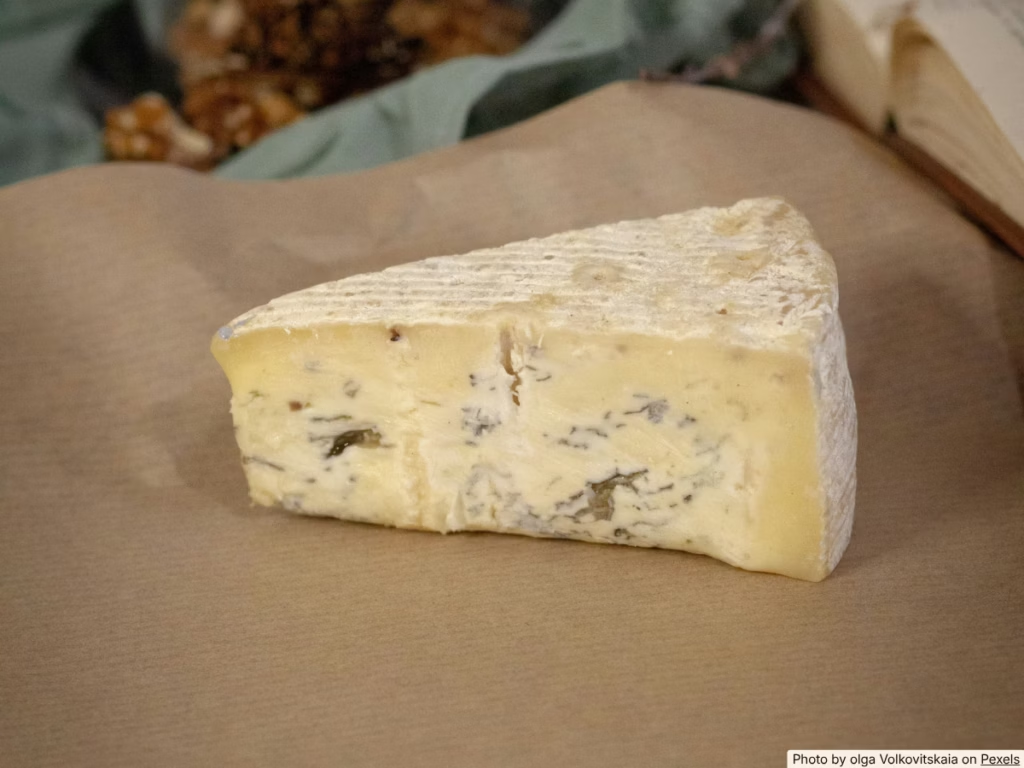
Blue cheese, Roquefort, Gorgonzola, Stilton, Brie. The mold in these is intentional, introduced and controlled during production, and entirely safe, per Verywell Health. Eat them as normal.
The one thing to watch: if your Brie or other soft-ripened cheese develops pink, green, or black patches where the rind should be white, that’s unexpected mold and a signal to toss it, per Martha Stewart. The white rind is a feature. Everything else is a warning.
If you find yourself regularly losing soft cheeses before you finish them, the post-World Cup fridge guide has solid tips on working through what’s already open.
Enjoying this?
Eat more of what you buy.
One short email a week. Preservation tricks, ingredient deep-dives, and the small kitchen habits that can quietly save $700+ a year on food waste. Pinky promise: no spam.
Pantidy tracks expiration dates across your fridge and freezer and flags what’s about to turn before it actually does. It runs on iOS and Android with a 14-day free trial, worth it for the cheese alone, honestly.
How to Store Cheese So Mold Stays Off It
Wrap hard cheese in parchment paper (not plastic wrap, which traps moisture) and store it in the crisper drawer where humidity is higher and more consistent, per Wisconsin Cheese. Plastic wrap encourages the exact soggy conditions that let unwanted mold take hold.
Pantidy also tracks what’s in your cheese drawer and flags anything expiring soon, so you catch the problem before the mold does.
Frequently Asked Questions
Can you eat hard cheese with mold on it?
Yes, in most cases. Hard cheeses like Cheddar, Parmesan, Swiss, and Colby are safe to eat after cutting at least 1 inch around and below the mold spot, per Healthline. Keep the knife out of the mold itself while cutting, and check that the remaining cheese smells and feels normal before eating.
Can you eat soft cheese with mold on it?
No. Soft cheeses like cream cheese, cottage cheese, ricotta, and mascarpone must be thrown out entirely if any mold appears, because spores penetrate the whole product rather than staying on the surface, per Healthline. There is no safe trimming option here.
Is blue cheese mold safe to eat?
Yes. The mold in blue cheese, Roquefort, Gorgonzola, Stilton, and similar varieties is intentional and controlled during production, per Verywell Health. Eat them normally. The flag to watch is unexpected pink, green, or black patches on soft-ripened cheeses where the rind should be white.
What if my shredded cheese has mold?
Toss the whole bag. Mold spores transfer easily between pieces of pre-shredded or pre-crumbled cheese, meaning the visible spot is not the only contaminated area, per Martha Stewart. Unlike a solid block, there is no safe way to trim shredded cheese.
When should you throw out cheese regardless of the type?
Any cheese that smells of ammonia or feels soggy alongside visible mold should be discarded, regardless of whether it’s hard or soft, per EatingWell. Those are signs of spoilage beyond surface mold, and cutting around it won’t fix it.
Today’s action: check your cheese drawer right now. If it’s a hard block with a small spot, grab a knife and the 1-inch rule. If it’s a soft cheese or a bag of shredded anything, let it go. Two minutes, decision made, no guilt required.
Food Waste Calculator
How much food are you throwing away?
The average household wastes about 30% of the food they buy. See what that costs you.
You’re throwing away about
$0
per year in wasted food
Pantry + Recipes
From "What's in the Fridge?" to Dinner in Minutes
Pantidy is a smart pantry app on iOS and Android that tracks what you have, flags what's expiring, and matches your inventory to recipes you've already saved.
- See every recipe you can make right now
- Filter for recipes that use expiring items first
- Check ingredient match percentages at a glance
- Add missing items to your shopping list in one tap