
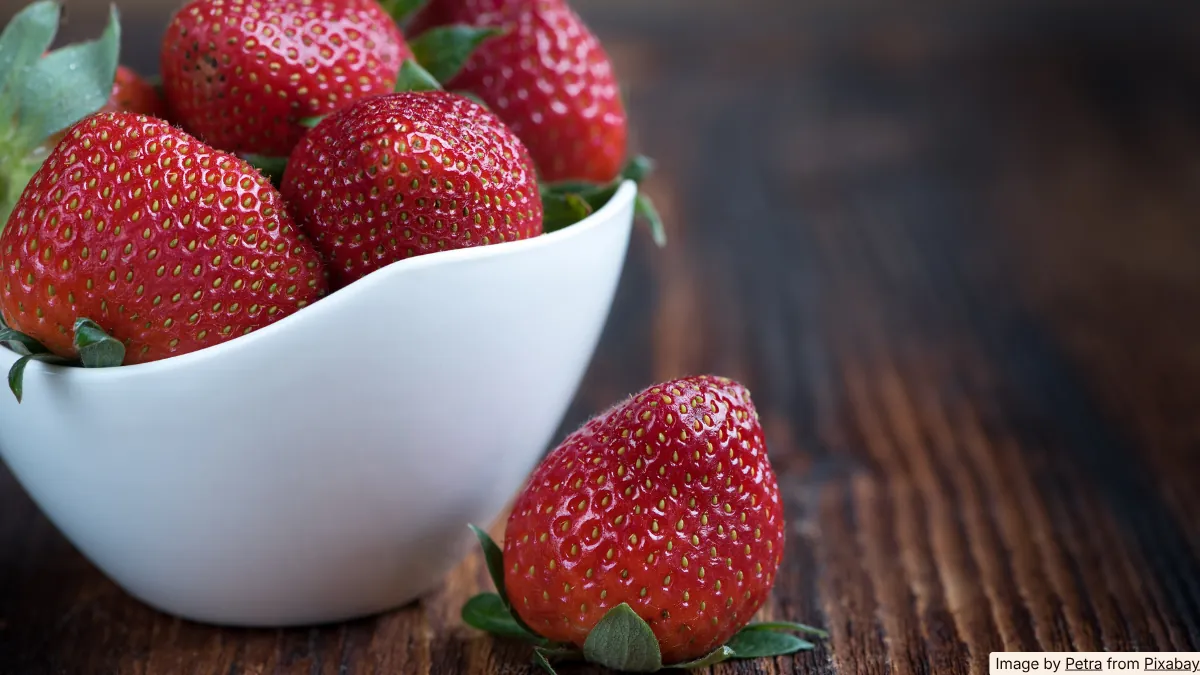
To make strawberries last longer, sort out any soft or moldy berries immediately, rinse with a 3-cups-water-to-2-tablespoon-vinegar solution for 5-10 minutes, dry them completely, and refrigerate in a ventilated, paper-towel-lined container. This method can keep berries fresh for up to 10 days. If you want to know how to make strawberries last longer, the answer is three steps: sort on arrival, rinse with vinegar, and dry completely before they go in the fridge.
That $5 container of strawberries you bought on Saturday has a 72-hour window before it starts its quiet transformation into something you’d rather not touch. The good news: a vinegar rinse, a paper towel, and one sorting habit can push that window out to up to 10 days.
Here’s what actually works.
Key Takeaways:
- Washing berries before storage shortens shelf life because moisture accelerates mold. Wash right before eating instead, unless doing a full vinegar rinse followed by complete drying.
- A vinegar rinse (3 cups water + 2 Tbsp vinegar, 5-10 minute soak) reduces mold load before a single bad berry can contaminate the rest.
- Storing berries in a ventilated, paper-towel-lined container rather than a sealed clamshell can extend freshness to up to 10 days in the refrigerator.
- One mushy berry will spoil its neighbors. Sorting on arrival and re-checking every couple of days is the cheapest intervention available.
- Strawberries that are already softening can be frozen for up to 6 months after hulling and tray-freezing, or turned into compote stored in the fridge for up to 3 days.
How to Make Strawberries Last Longer: Start With Sorting

Most berries don’t die because of bad refrigeration. They die because they arrived home wet, got sealed in a tight container, and then one soft berry gently touched another. Game over.
Several storage guides agree on the first move: sort before you store. Pull every mushy, bruised, or already-turning berry out of the pint the moment you get home. One bad berry is basically a mold delivery system for the rest of the container. (Not a metaphor. That’s literally how mold spreads.)
Then don’t wash them yet. Washing berries before storage shortens their life because moisture speeds spoilage. Wash right before eating, not right after shopping.
The Vinegar Rinse (And Why It’s Not Just About Cleanliness)

If you want the full treatment, a vinegar rinse is worth the few extra minutes. Mix 3 cups of water with 2 tablespoons of white vinegar, soak the berries for 5-10 minutes, then dry them completely before they go anywhere near the fridge. The point isn’t just removing residue. The acidity knocks back the mold load on the surface before a single spore can get a head start on the whole batch.
The critical word is completely. Damp berries in a sealed container are worse than unwashed berries in a good container. Pat them dry, let them air for a few minutes, then move on.
The Container Setup That Actually Works

A ventilated container beats a sealed one every time. Trapped moisture is what turns a $5 container into a $5 science experiment by Wednesday and then something that needs a warning label by Thursday. Line the container with a paper towel to absorb whatever moisture remains, and leave the lid slightly ajar or use a container with holes. The original store clamshell, rinsed and dried, works fine if it has vents.
One more thing: don’t mix berry types. Raspberries die faster than blueberries. Storing them together drags the whole container down to the raspberries’ timeline. Keep them separate and you keep the slower ones alive longer.
Enjoying this?
Eat more of what you buy.
One short email a week. Preservation tricks, ingredient deep-dives, and the small kitchen habits that can quietly save $700+ a year on food waste. Pinky promise: no spam.
That’s the full setup for how to keep strawberries fresh in fridge storage, and how to stop berries from turning to slime before the week is out.
Pantidy tracks expiration dates across your fridge and pantry, so you can see at a glance which items need to be eaten first, including that container of blueberries you forgot behind the yogurt because you were going to try making blueberry yogurt that one time. Free to try for 14 days, then $5 a month.
When They’re Already Softening

If the berries are past their prime but not yet a total loss, freeze them. Hull the strawberries, spread them on a tray, freeze until solid, then transfer to a bag. They’ll keep for up to 6 months and are perfect for smoothies. Or make a quick compote. Soft berries, a little sugar, ten minutes over heat. Keeps in the fridge for up to 3 days. That’s $5 rescued, not composted.
Pantidy’s expiration tracking flags berries before they hit this stage, so you get the nudge while there’s still time to freeze them.” Add a third in the closing action block: “Pantidy does the re-checking for you, flagging what’s about to turn before your next grocery run.
Frequently Asked Questions
How long do strawberries last in the refrigerator?
Unwashed strawberries stored in a ventilated, paper-towel-lined container can last up to 10 days with proper drying and sorting. Without those steps, most pints are gone in 3-5 days. The single biggest variable is whether you pulled out the soft ones before the container went in the fridge. The fastest way to make strawberries last longer is the one you’ll actually do: open the container before it goes in the fridge and pull out anything soft.
Does washing strawberries before storing them make them go bad faster?
Yes. Washing berries before storage introduces moisture that accelerates mold growth. The exception is a full vinegar rinse followed by complete drying before refrigerating. That method can actually extend shelf life by reducing surface mold load.
What is the best container for storing berries in the fridge?
A ventilated container lined with a paper towel is the best option. Sealed containers trap moisture and speed spoilage. The original store clamshell works if it has ventilation holes. Just line it with a paper towel and don’t seal it tight.
Can you freeze strawberries, and how long do they last?
Yes. Hull the strawberries, tray-freeze them until solid, then transfer to a freezer bag. They keep for up to 6 months. This is the right move when berries are softening but not yet spoiled. Freeze them now rather than watching them quietly dissolve on your fridge shelf.
What should you do with berries that are already overripe?
Macerated berries or a quick compote are the fastest rescues. Both keep in the fridge for up to 3 days. Freezing is the other option if you’re not ready to use them immediately. Soft texture doesn’t matter once they’re going into a smoothie anyway.
Today’s action: the next time you bring berries home, open the container before it goes in the fridge. Pull out anything soft. That one move is worth more than any container or rinse.
Food Waste Calculator
How much food are you throwing away?
The average household wastes about 30% of the food they buy. See what that costs you.
You’re throwing away about
$0
per year in wasted food
Pantry + Recipes
From "What's in the Fridge?" to Dinner in Minutes
Pantidy is a smart pantry app on iOS and Android that tracks what you have, flags what's expiring, and matches your inventory to recipes you've already saved.
- See every recipe you can make right now
- Filter for recipes that use expiring items first
- Check ingredient match percentages at a glance
- Add missing items to your shopping list in one tap