
Blog
-
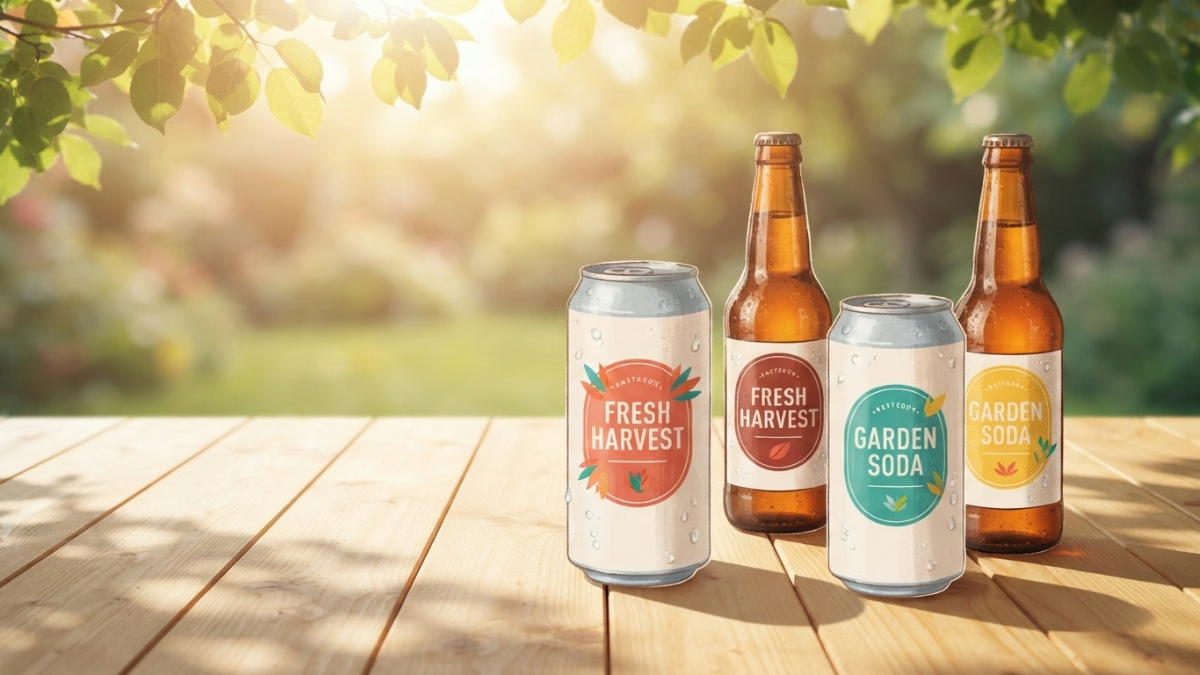
How to Keep Drinks Cold Outside (No Fridge Needed)
The fastest way to keep drinks cold outside without a fridge is to combine two things most people skip: pre-chilling your drinks the night before, and keeping them out of direct sun. Everything else, wet cloths, cold-water dunks, insulated bottles, is just layering on top of a cold starting point. Skip the pre-chill and you’re…
-
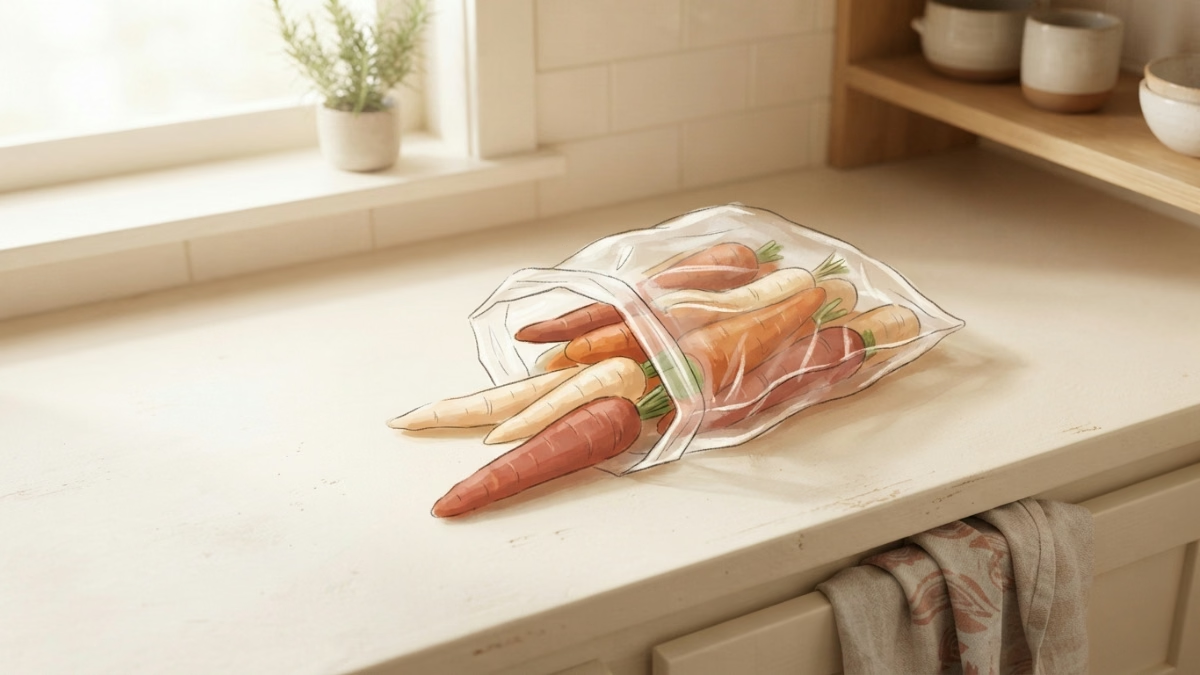
What to Do With Leftover Carrots (Raw or Cooked)
If you’re staring at a half-used bag of carrots and wondering what to do with leftover carrots, here’s the short answer. The right move depends on one thing, are they raw or already cooked. Raw carrots go into roasting, chips, slaws, or the freezer. Cooked carrots go into mash, hummus, or muffin batter. Pick your…
-
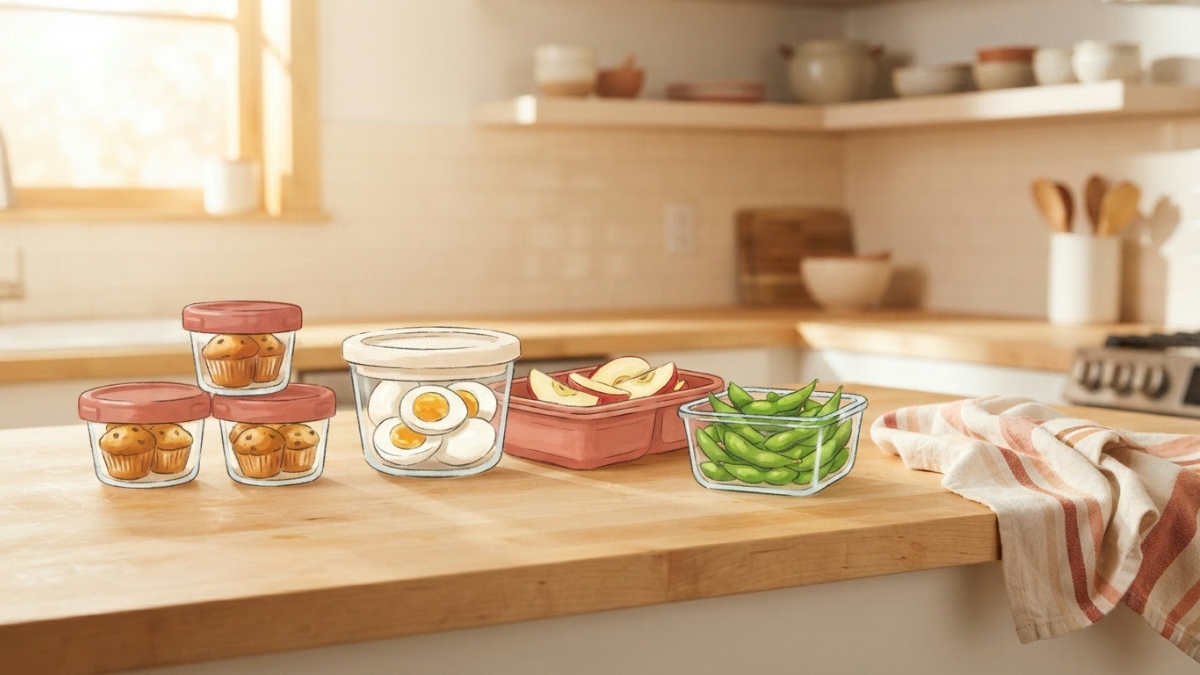
A Quick Guide to Batch-Prepping School Snacks That Last
The fastest way to batch prep school snacks that actually last the week: build around shelf life, not inspiration. Hard-boiled eggs (unpeeled) keep up to 7 days in the fridge. Baked muffins and bars hold 4-5 days refrigerated or about 3 months frozen, per Smarter Treats. Cooked edamame freezes for up to 12 months, per…
-
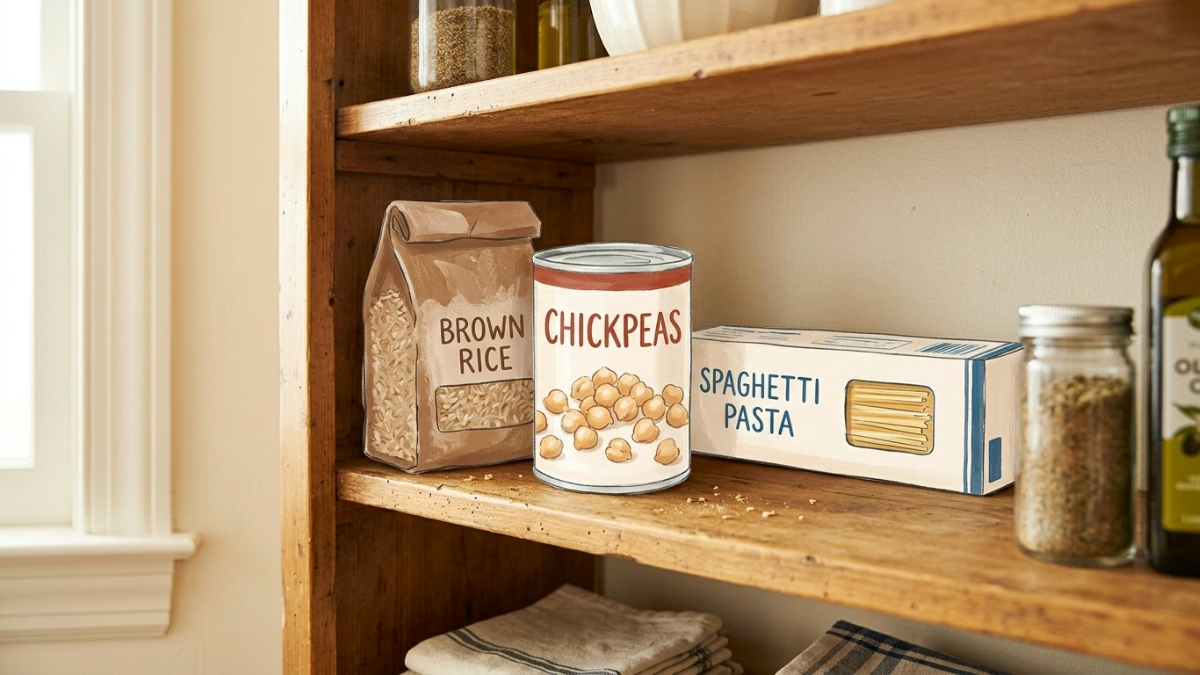
Do Canned Chickpeas Expire? The Real Shelf-Life Answer
That can of chickpeas buried behind the rice and pasta? It’s probably fine. Canned chickpeas keep best quality for about 3 to 5 years, per StillTasty, but the date stamped on the lid is a quality marker, not an expiration countdown. The real question isn’t the number on the can, it’s the condition of the…
-
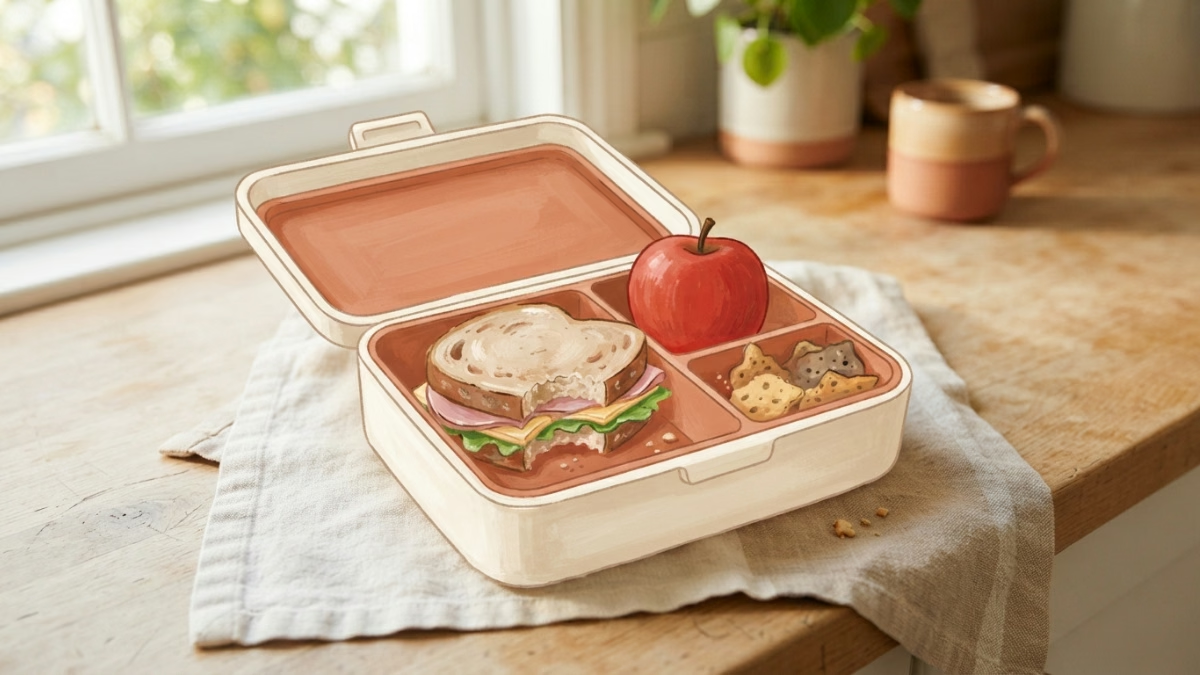
The 5-Minute Lunchbox Audit for Your Back-to-School Lunch Budget
Open your kid’s lunchbox tonight and actually look at what came home. That uneaten half-sandwich, the untouched apple, the crackers rattling around at the bottom, that’s cash. A waste-free lunch approach can save around $10.50 per week per child, or roughly $397 per year per child, per Western Australia’s Waste Free Lunch Toolkit. The 5-minute…
-
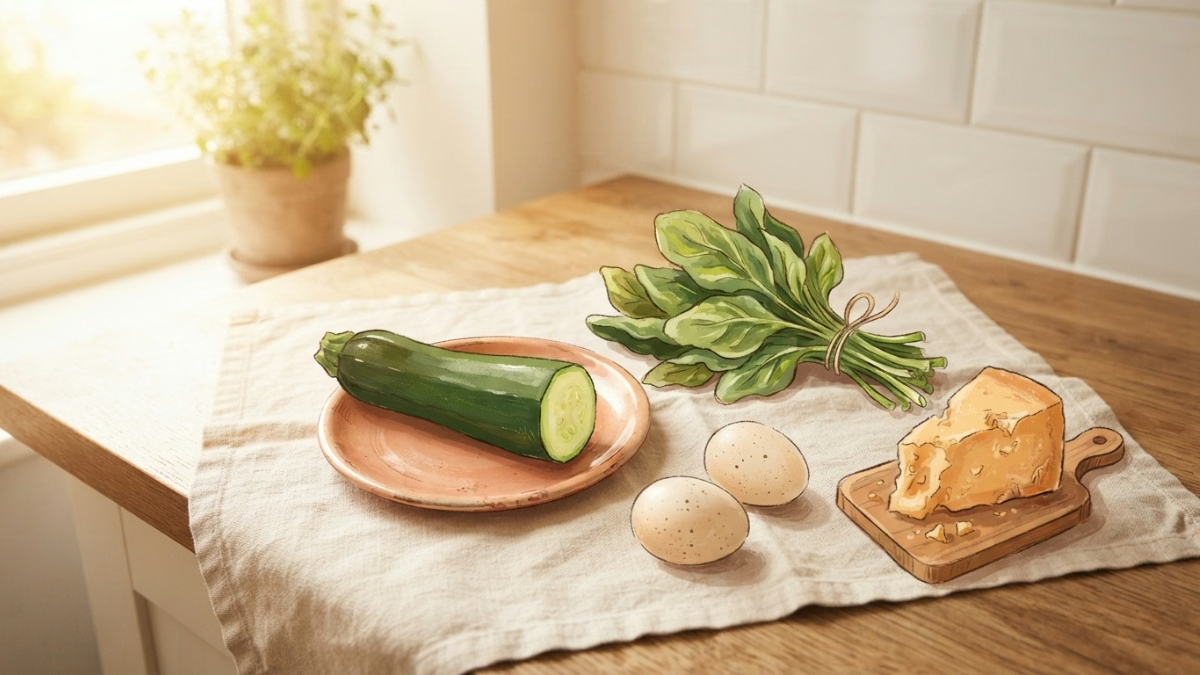
Use It Up: 5 Smart Ways to Cook Expiring Ingredients
If something in your fridge is three days from done, you have more options than you think. The five ways to use expiring ingredients below work with almost any combination of what’s in your fridge, no special recipe required, no trip to the store. If you want meal ideas for soon-to-expire food, or just need…
-
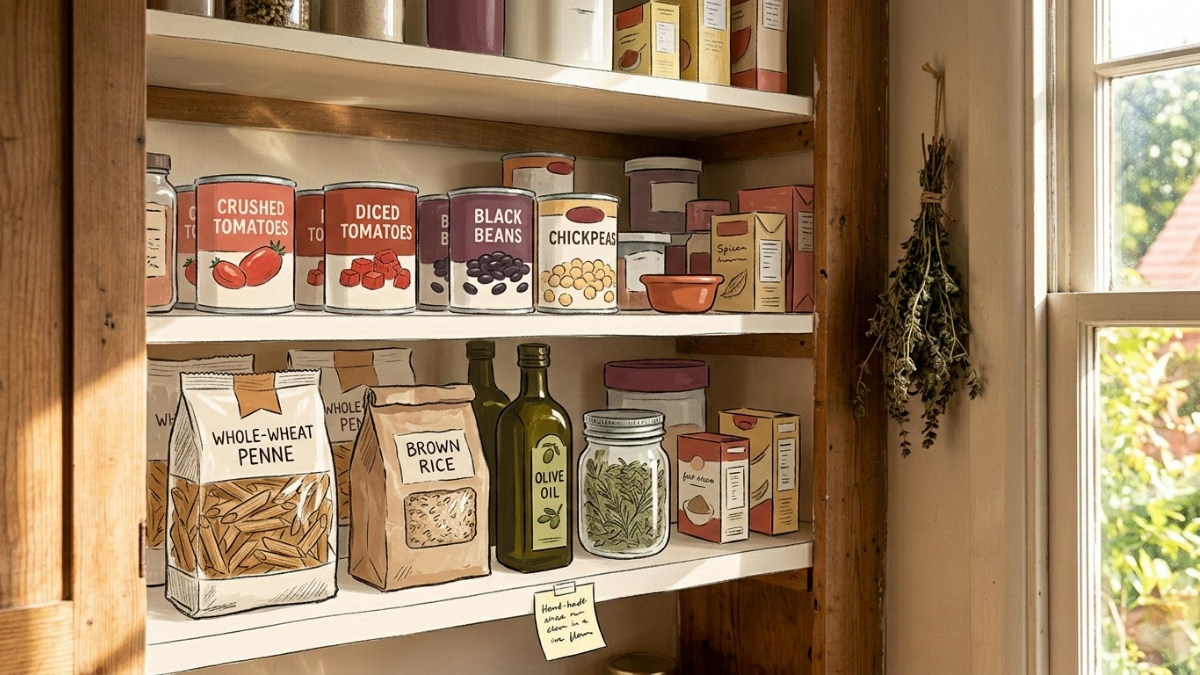
What to Cook When Your Fridge Looks Empty (Pantry Isn’t)
The fridge looks empty. It isn’t, really, there’s half a block of cheddar, two eggs, something in foil from three days ago, but nothing in there is announcing itself as dinner. Meanwhile, the pantry is full of things you bought with good intentions and haven’t touched since. If you’re staring at it wondering what to…
-
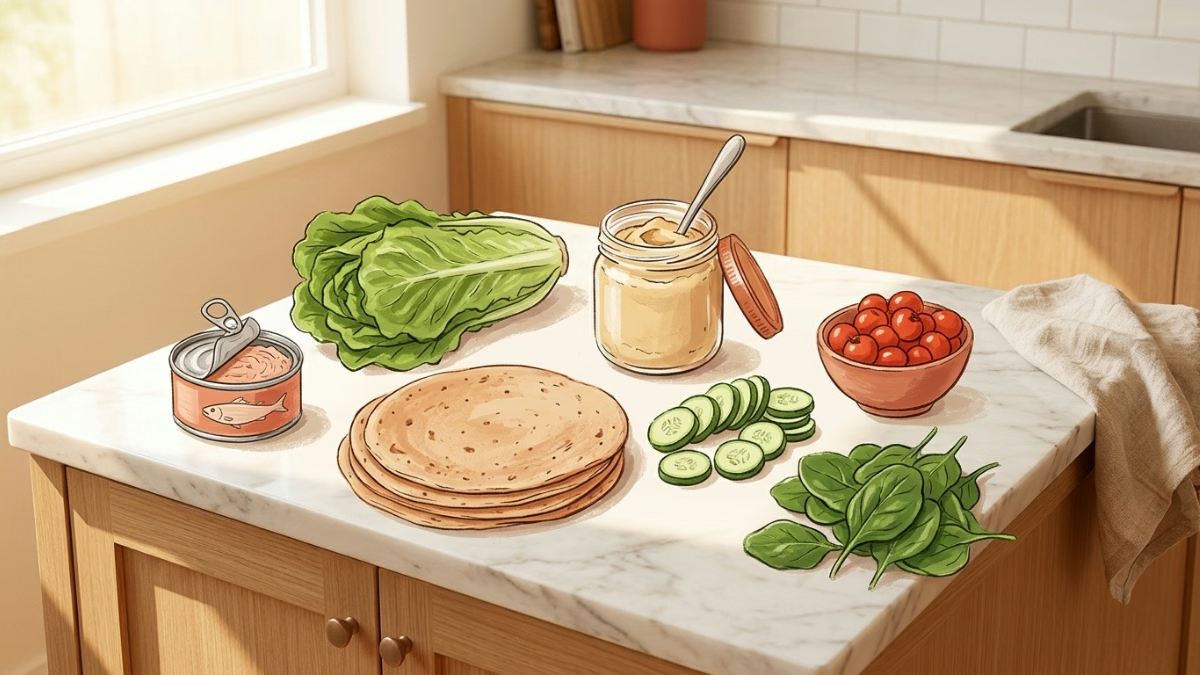
3 No-Cook Dinners to Beat the August Heat Wave
It’s the August heat wave and nobody wants to turn on the oven. Here are three no-cook pantry meals that go from cabinet to table in under 10 minutes, real dinners, not just crackers and cheese, on the hottest summer nights of the year. Key Takeaways: The Three Dinners 1. Canned Tuna Lettuce Cups Open…
-
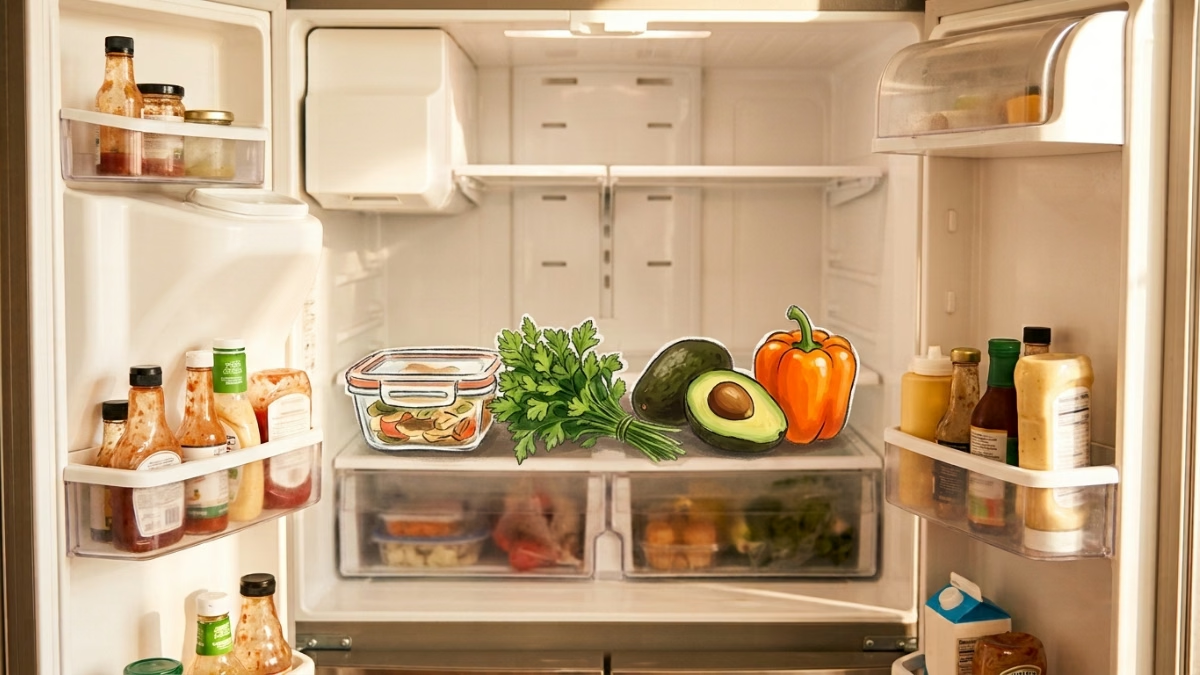
Meal Prep For One Person: Try The ‘Eat Me First’ Box Method
If you’re looking for meal prep ideas for one person that don’t require a Sunday marathon, this is the method. Meal prep for one person has a specific failure mode: you buy fresh food, use a bit of it, and the rest quietly dies before you remember it’s there. If you cook for one, you…
-
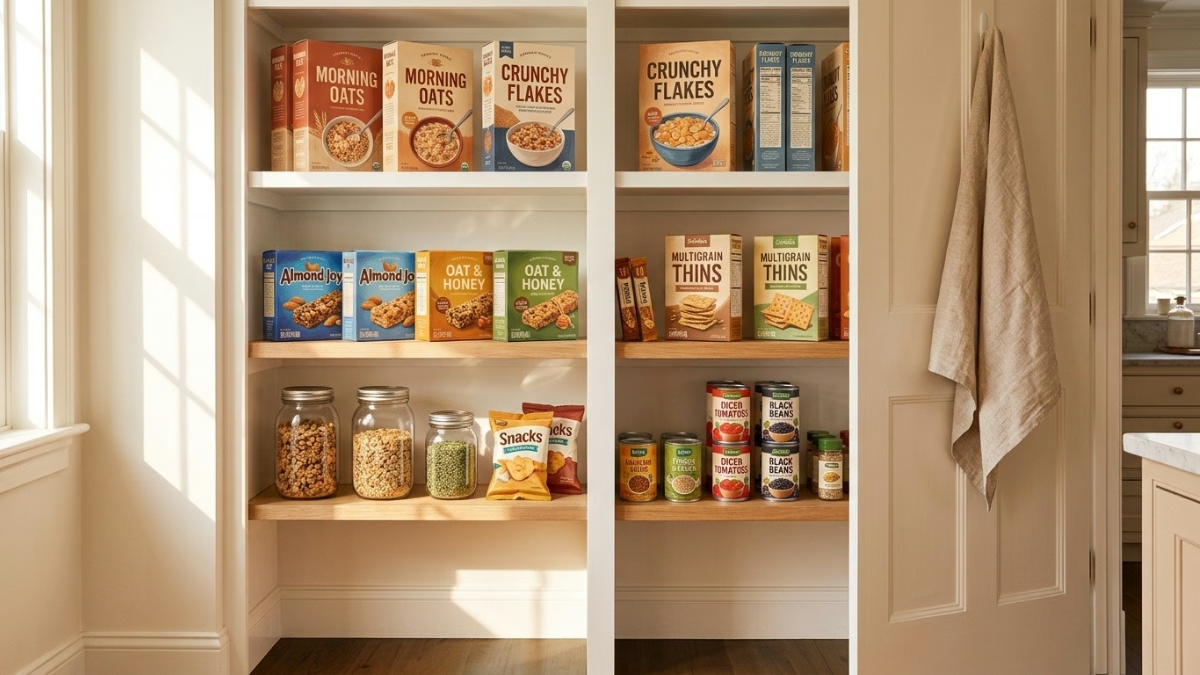
The 15-Min Pantry Sweep Before School Starts
Your pantry is about to get ambushed. School starts, the morning routine kicks back in, and suddenly you need a granola bar, a lunchbox snack, and a reason to believe you’re a functional adult, all before 7:45 a.m. A quick pantry clean out before school starts is the fix. 15 minutes, one sweep, and you’ll…