
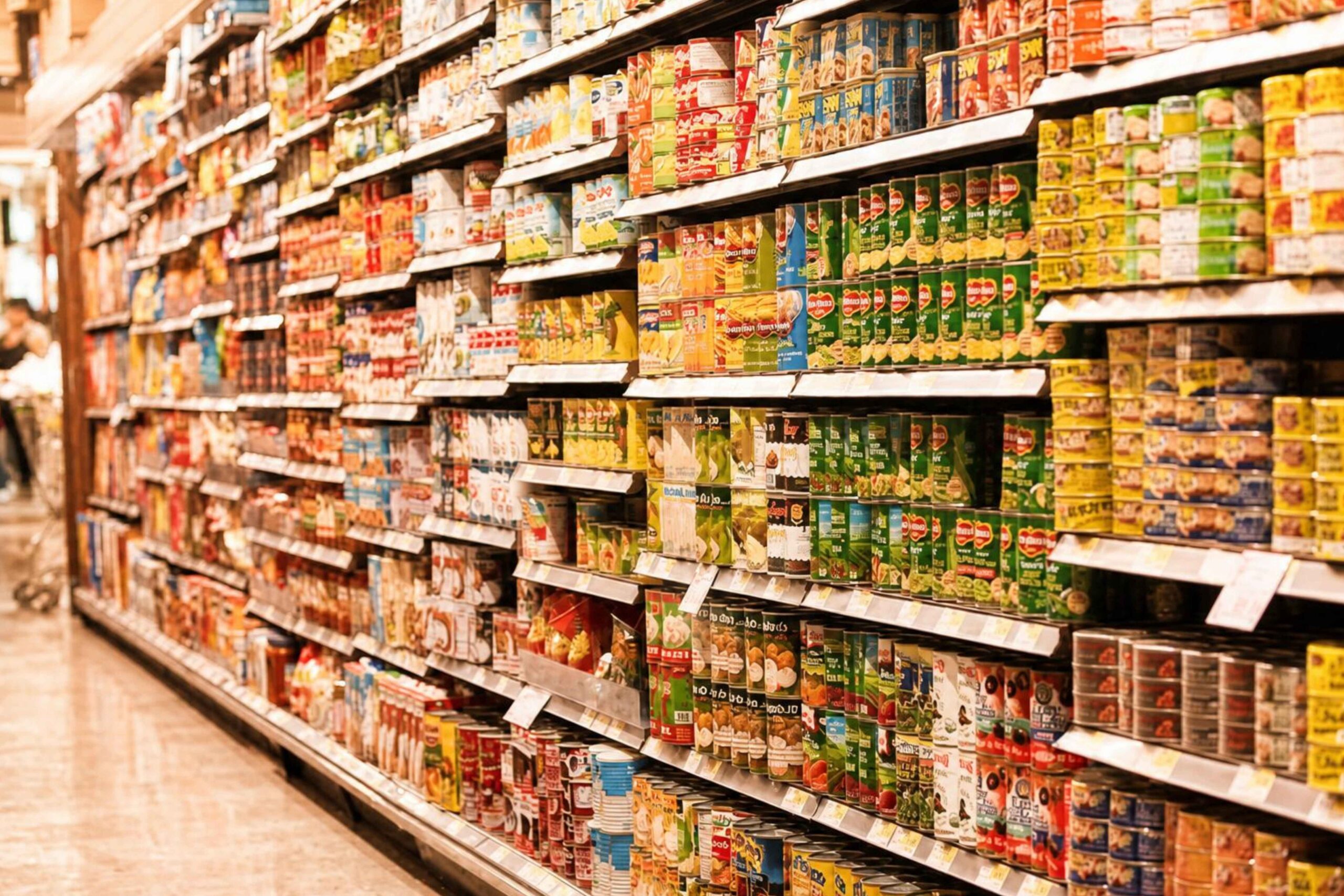
Most canned food is safe to eat long after the printed date. The USDA says shelf-stable canned goods are safe indefinitely if the can is undamaged, the date on the label reflects peak quality, not a safety cutoff.
That ‘best by’ date stamped on your canned chickpeas is not a countdown to food poisoning. If you’ve been Googling ‘canned food expiration date’ and wondering whether to toss that can of black beans, the answer is almost certainly no. The USDA is clear: most shelf-stable canned goods are safe indefinitely, provided the can itself is in good condition. The date is about quality, not safety. That’s the canned food quality vs. safety distinction the USDA wants you to understand. Which means that can of black beans you bought 14 months ago and forgot about is almost certainly fine.
Here’s what actually matters.
Key Takeaways
- The USDA states most canned foods are safe indefinitely as long as the can shows no rust, dents, or swelling. The printed date is a quality guide, not a safety deadline.
- High-acid canned foods like tomatoes, fruit, and pickles should be used within 18 months of purchase because acidity degrades quality and can affect the can itself.
- Low-acid canned goods such as beans, peas, canned meat, pasta, and most vegetables, can typically be used up to three years past the code date if the can is intact.
- Physical damage is the real danger signal: deep dents, swelling, rust, foul odor, or liquid spraying on opening all mean the can should be discarded regardless of the date.
- Once opened, canned food should move to an airtight container and be refrigerated for three to five days.
Canned Food Expiration Dates Are Quality Deadlines, Not Safety Deadlines
Here’s something interesting: Federal law only requires date labels on one food: infant formula. Everything else, per USDA guidance, is voluntary. Manufacturers print “best by” dates to signal peak quality, the point at which the flavor and texture are at their best. Not the point at which you’ll regret eating it.
So if you’ve been quietly tossing cans because the date passed last March, you’ve been throwing out money. Not spoiled food.
That said, not all cans age the same way. Acid level matters more than most people realize.
High-acid canned foods (tomatoes, fruit, pickles, sauerkraut, vinegar-based sauces) have a shorter quality window. Food Bank of the Rockies guidance recommends using these within about 18 months of purchase. The acidity speeds up quality loss and, over time, can degrade the can itself. Your canned tomato soup from two winters ago is probably still safe, but it’s not going to taste like much. Use it this week or let it go.
Low-acid canned foods are a different story. Canned beans, peas, vegetables, pasta, meat, and poultry in good condition can typically be used about three years past the code date, according to the Central Texas Food Bank. That can of Spam sitting in the back of your pantry (we’re not judging, Spam musubi is genuinely good) has a shelf life of two to five years before you even open it.
When to Actually Throw the Can Out

The date is a distraction. The can is the thing to look at.
Discard any can that shows these warning signs:
Enjoying this?
Eat more of what you buy.
One short email a week. Preservation tricks, ingredient deep-dives, and the small kitchen habits that can quietly save $700+ a year on food waste. Pinky promise: no spam.
- Deep dents, especially along the seam
- Swelling or bulging
- Rust that penetrates the surface
- Foul odor when opened
- Milky liquid instead of clear
- Liquid that sprays when you open it
That last one is not a fun surprise. A bulging or spraying can is a sign of bacterial activity inside, and no date on the label changes that. Toss it.
Storage temperature matters too. Prolonged heat above 100°F significantly accelerates spoilage risk, so the pantry above your stove or in an unventilated garage is not doing your canned goods any favors.
Once It’s Open, Different Rules Apply
The can’s seal is what makes indefinite shelf life possible. Once you crack it, the clock starts. Move leftovers to an airtight container and refrigerate them. Most opened canned foods keep for three to five days.
This is also where a lot of quiet waste happens. Half a can of coconut milk, forgotten in the fridge for a week. Half a can of tomato paste, turned into…something…by Thursday. If you’re tracking your pantry in Pantidy, the app logs what’s open and flags it before it becomes a mystery container situation.
Frequently Asked Questions
Do canned goods actually expire?
The USDA says most canned foods are safe indefinitely if stored properly and the can is undamaged. The printed date reflects peak quality, not a safety cutoff. Federal law only mandates expiration dating for infant formula.
How long do low-acid canned foods last?
Canned beans, peas, vegetables, pasta, and meat in good condition can typically be used up to three years past the code date, according to the Central Texas Food Bank, as long as the can shows no physical damage.
How long do high-acid canned foods like tomatoes last?
Food Bank of the Rockies recommends using tomato products, canned fruit, pickles, sauerkraut, and vinegar-based sauces within about 18 months of purchase. Acidity speeds up quality loss and can degrade the can over time.
What are the real signs a canned food is unsafe?
Physical damage is the tell, not the date. Discard any can with deep dents along the seam, swelling, rust, a foul odor, milky liquid, or liquid that sprays on opening. Those are signs of compromised seals or bacterial activity inside.
How long does canned food last after opening?
Once opened, move contents to an airtight container and refrigerate. Most opened canned foods are good for three to five days.
One Thing to Do Right Now
Go look at three cans in your pantry right now. Check the can itself, not the date. No rust, no dents along the seam, no swelling? You’re almost certainly fine. That’s the whole system. If you want Pantidy to track your whole pantry and flag what’s actually expiring soon, it’s free to try for 14 days, then $5 a month.
Food Waste Calculator
How much food are you throwing away?
The average household wastes about 30% of the food they buy. See what that costs you.
You’re throwing away about
$0
per year in wasted food
Pantry + Recipes
From "What's in the Fridge?" to Dinner in Minutes
Pantidy is a smart pantry app on iOS and Android that tracks what you have, flags what's expiring, and matches your inventory to recipes you've already saved.
- See every recipe you can make right now
- Filter for recipes that use expiring items first
- Check ingredient match percentages at a glance
- Add missing items to your shopping list in one tap